

Compare models
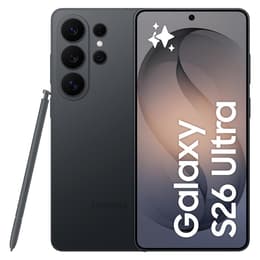
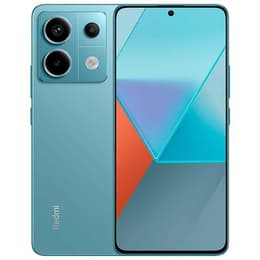
Galaxy S26 Ultra Vs Xiaomi Redmi Note 13 Pro
- 1-year minimum warranty
- Free delivery on all orders
- Free 30-day returns
Differences at a glance
The Samsung Galaxy S26 Ultra (2026) and the Xiaomi Redmi Note 13 Pro (2023) represent two distinct tiers and generations in the smartphone market. While the Galaxy S26 Ultra functions as a modern flagship device loaded with advanced processing power and versatile hardware, the Xiaomi Redmi Note 13 Pro targets everyday utility with a balanced set of practical features. These models differ significantly in their release timelines, operating systems, and core design philosophies, catering to very different expectations in daily use.
Available Models
Colour
Storage
Scores
Durability
When examining hardware longevity and software support, both devices approach lifecycle maintenance through different generational windows and structural designs.
- Release Timeline and Software Support: The Galaxy S26 Ultra benefits from a much newer 2026 release date, securing extended operating system updates and security patches for years to come. The Xiaomi Redmi Note 13 Pro, launched in 2023, operates on an older software cycle with a more limited remaining window for major platform upgrades.
- Build Integrity and Repairability: The Galaxy S26 Ultra utilizes reinforced glass and robust frame materials engineered to withstand long-term wear and tear. The Xiaomi Redmi Note 13 Pro offers standard structural durability features suitable for daily handling, though users prioritizing multi-year software longevity will find the newer flagship model aligns better with extended usage goals.
Year of Release
2026
2023
Compatible with latest Update
Yes
Yes
OS
Android
Android
Foldable
No
No
Performance
System responsiveness and daily multitasking capabilities vary noticeably between these two devices based on their underlying internal configurations and memory management.
- App Loading and Multitasking: The Galaxy S26 Ultra handles demanding applications, heavy multitasking, and intensive mobile gaming effortlessly with advanced thermal efficiency and rapid processing speeds. The Xiaomi Redmi Note 13 Pro manages standard daily tasks such as web browsing, messaging, and media streaming smoothly, though heavier workflows result in occasional loading delays.
- Storage and Power Efficiency: Both devices offer generous storage configurations to accommodate photos, apps, and files, while their battery management systems adapt to typical daily usage patterns by balancing power consumption during standby and active screen time.
Screen quality
Display characteristics shape the primary viewing experience, offering distinct visual clarity, brightness levels, and panel technologies.
- Display Technology and Clarity: The Galaxy S26 Ultra features a vibrant OLED screen with deep contrast levels and sharp resolutions that render text and media with high fidelity. The Xiaomi Redmi Note 13 Pro also utilizes a clear AMOLED panel with smooth refresh rates, ensuring fluid scrolling across social media feeds and web pages.
- Outdoor Visibility: The Galaxy S26 Ultra reaches high peak brightness levels to maintain clear visibility under direct sunlight, whereas the Xiaomi Redmi Note 13 Pro performs adequately in bright outdoor settings while requiring manual or automatic adjustments during peak daylight hours.
Resolution
1440 x 3120
1220 x 2712
Audiovisual
Photography and media recording configurations differ to accommodate various creative needs and casual capture scenarios.
- Camera System Capabilities: The Galaxy S26 Ultra incorporates a versatile multi-lens array, including advanced telephoto capabilities and robust low-light processing for detailed shots in challenging lighting. The Xiaomi Redmi Note 13 Pro relies on a high-resolution main sensor that captures crisp everyday photos, supplemented by standard secondary lenses for wide-angle perspectives.
- Video and Audio Output: Video recording on the Galaxy S26 Ultra benefits from advanced stabilization and crisp microphone pickup, while both devices deliver clear stereo sound for hands-free calls and casual media consumption.
Front camera
12.0
16 megapixels
Miscellaneous
Practical handling elements, connectivity standards, and physical dimensions define how each device fits into everyday routines.
- Connectivity and Ports: Both models support modern wireless standards including 5G connectivity and fast Wi-Fi protocols, alongside reliable Bluetooth pairing for wireless accessories.
- Handling and Build: The Galaxy S26 Ultra provides a large workspace format with refined ergonomic corners for steady grip, while the Xiaomi Redmi Note 13 Pro offers a lighter physical footprint that handles easily during single-handed use. Choosing a quality-assured refurbished option provides a sustainable choice for consumers looking to minimize electronic waste without compromising on hardware reliability.
Weight
214 g
187 g
Screen size (in)
6.9
6.67
Network
5G
5G
SIM card
Physical SIM + eSIM
Dual Physical SIM
Carrier compatibility
Unlocked
Unlocked
What the community thinks
Users evaluating these models often note that the Galaxy S26 Ultra excels in providing top-tier processing headroom, expansive screen estate, and long-term software relevance, though some mention its larger physical footprint requires an adjustment period. Conversely, users frequently praise the Xiaomi Redmi Note 13 Pro for delivering reliable everyday performance and fluid display characteristics in a lighter frame, while noting that its older release timeline limits future software updates.
Users prioritizing maximum processing power, advanced camera flexibility, and extended software support will find the Galaxy S26 Ultra well-suited to their needs. Meanwhile, users focusing on straightforward daily communication, media browsing, and streamlined utility may prefer the Xiaomi Redmi Note 13 Pro. For those aiming to make an eco-friendly alternative purchase, exploring a quality-assured refurbished option provides a sustainable choice that aligns consumer technology needs with environmental responsibility.