

Compare models
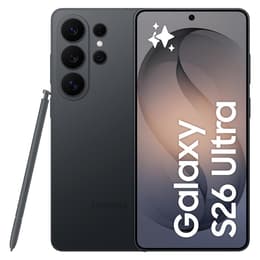
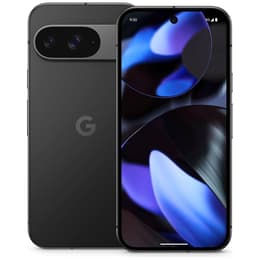
Galaxy S26 Ultra Vs Google Pixel 9
- 1-year minimum warranty
- Free delivery on all orders
- Free 30-day returns
Differences at a glance
The Samsung Galaxy S26 Ultra (2026) and the Google Pixel 9 (2024) represent different generations and philosophies within the Android smartphone landscape. While the Galaxy S26 Ultra is a large-format productivity flagship loaded with advanced hardware capabilities, the Google Pixel 9 serves as a streamlined everyday device emphasizing clean software integration. Both run on the Android operating system, though they deliver distinct user experiences through their custom interfaces and hardware builds.
Available Models
Colour
Storage
Scores
Durability
When evaluating hardware longevity and software support, both devices provide extended lifespans, though their release timelines differ by over a year.
- Software Support: The Galaxy S26 Ultra benefits from an extended multi-year update policy reaching up to seven major operating system upgrades, whereas the Google Pixel 9 offers a substantial, multi-year commitment starting from its 2024 release baseline.
- Build Durability: Both models utilize robust frame materials and hardened glass protection to withstand daily wear, ensuring structural integrity over years of regular handling.
- Repairability: Authorized service networks and modular internal designs mean that common component replacements, such as batteries or screens, can be managed effectively to extend practical service life.
Year of Release
2026
2024
Compatible with latest Update
Yes
Yes
OS
Android
Android
Foldable
No
No
Performance
Underneath the surface, these smartphones handle everyday applications, heavy multitasking, and intensive workloads through distinctly optimized processing architectures.
- System Responsiveness: Both devices switch smoothly between demanding productivity apps, media streaming, and casual mobile gaming without noticeable stutter or lag.
- Multitasking Capacity: Generous random access memory allocations allow multiple applications to remain open in the background, enabling quick resumption of tasks.
- Battery Behavior: Battery capacities and power management systems deliver dependable power through a full day of standard mixed usage, supported by efficient modern processors.
Screen quality
Display characteristics differ significantly in physical scale, maximum brightness output, and viewing ergonomics.
- Display Technology: Both utilize vibrant OLED panels that deliver deep contrast levels, sharp text rendering, and wide viewing angles for media consumption.
- Size and Scale: The Galaxy S26 Ultra features a sprawling expansive screen well-suited for document editing and split-screen multitasking, while the Pixel 9 offers a more compact form factor that is easier to handle with one hand.
- Outdoor Visibility: High peak brightness capabilities ensure that on-screen content remains legible under direct sunlight or bright outdoor conditions.
Resolution
1440 x 3120
1080 x 2424
Audiovisual
Imaging hardware and computational processing cater to different photographic workflows and media recording needs.
- Camera Versatility: The Galaxy S26 Ultra incorporates a multi-lens array including high-resolution telephoto modules for distant subjects, whereas the Pixel 9 relies on a streamlined dual-lens system optimized for point-and-shoot clarity.
- Low-Light Performance: Advanced image processing algorithms on both devices extract clear details and accurate colors in dim environments without excessive noise.
- Audio and Video: Integrated multi-microphone arrays capture clear audio for calls and video recordings, while built-in stereo speakers provide balanced sound output for casual media playback.
Front camera
12.0
10.5 megapixels
Miscellaneous
Physical handling, connectivity standards, and daily convenience features shape the overall user experience.
- Connectivity: Both models support modern 5G cellular networks, Wi-Fi standards, and Bluetooth protocols for reliable peripheral pairing and data transfer.
- Physical Dimensions: The Galaxy S26 Ultra carries a larger footprint and heavier chassis to accommodate its expansive screen and stylus silo, whereas the Pixel 9 is lighter and more pocket-friendly.
- Authentication: Secure biometric unlocking is handled via responsive under-display fingerprint sensors and facial recognition capabilities.
Weight
214 g
198 g
Screen size (in)
6.9
6.3
Network
5G
5G
SIM card
Physical SIM + eSIM
Physical SIM + eSIM
Carrier compatibility
Unlocked
Unlocked
Connector
USB-C
USB-C
What the community thinks
User feedback from online communities highlights distinct preferences for each handset. Owners of the Galaxy S26 Ultra frequently praise its expansive display, versatile zoom photography, and integrated stylus functionality for productivity tasks. Conversely, Pixel 9 users commonly emphasize the intuitive software layout, reliable everyday snapshot quality, and comfortable physical dimensions that make single-handed use effortless. Some users note that the Galaxy model's larger physical size can feel heavy during extended periods, while others mention that the Pixel 9 lacks advanced optical zoom reach for distant subjects.
Users prioritizing maximum screen estate, extensive multi-lens camera versatility, and productivity tools will find the Galaxy S26 Ultra well-suited to their workflow. Meanwhile, users who value a compact form factor, clean software navigation, and straightforward daily performance may lean toward the Google Pixel 9. Choosing a quality-assured refurbished option through sustainable platforms like Back Market offers an eco-friendly alternative for acquiring either device while reducing electronic waste. Ultimately, the right choice depends on whether daily habits favor expansive productivity hardware or streamlined everyday simplicity.