

Compare models
Galaxy A14 Vs Xiaomi Redmi Note 13 4G
- 1-year minimum warranty
- Free delivery on all orders
- Free 30-day returns
Differences at a glance
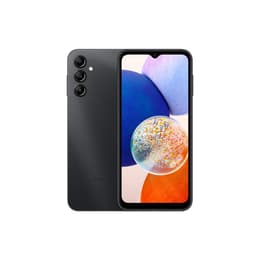
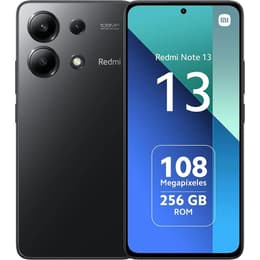
The Samsung Galaxy A14 (2023) and the Xiaomi Redmi Note 13 4G (2024) are popular entry-level smartphones designed for everyday communication, media consumption, and casual mobile use. While both devices serve users seeking reliable core functionality, they approach essential features differently, notably through display technology and charging capabilities. Each model operates on Android-based software with distinct interface layers tailored to daily usability.
Available Models
Colour
Storage (GB)
Scores
Durability
Comparing the release timelines and structural lifespans reveals distinct trajectories for software support and hardware longevity across both everyday devices.
- Software Support: The Samsung model provides multiple years of security patches, whereas the Xiaomi handset offers a slightly extended schedule of major operating system upgrades, ensuring prolonged software currency.
- Repairability: Both smartphones utilize standard modular internal components and plastic frame assemblies, allowing local repair shops to service screens and batteries with relative ease.
- Expected Lifespan: Practical daily use across several years is achievable for both models, provided that heavy application demands remain moderate to match their entry-level hardware capabilities.
Year of Release
2023
2024
Compatible with latest Update
No
Yes
OS
Android
Android
Foldable
No
No
Performance
Daily operation and multitasking behaviors vary between the two devices based on their internal hardware configurations and memory management.
- Multitasking and Responsiveness: Both smartphones handle routine tasks like web browsing, messaging, and social media smoothly, though intensive gaming or heavy background processes can induce occasional loading delays.
- Storage Capacity: Multiple internal storage configurations are available on both models, with dedicated expansion slots allowing users to add extra capacity via microSD cards for media and files.
- Battery Behavior: Each device packs a large internal battery designed to comfortably sustain a full day of mixed usage, though charging speeds differ significantly when replenishment is needed.
Screen quality
Visual output and panel construction represent major divergence points in how each smartphone delivers content to the user.
- Display Technology: The Xiaomi device features a vibrant AMOLED panel with deep contrast levels, while the Samsung model utilizes a standard LCD screen with conventional color reproduction.
- Refresh Rate and Smoothness: High refresh rate support on the Xiaomi display ensures fluid scrolling through web pages and menus, compared to the standard refresh rate found on the Samsung counterpart.
- Outdoor Visibility: Peak brightness capabilities on the Xiaomi AMOLED screen offer better legibility under direct sunlight, whereas the Samsung display requires shadier conditions for optimal viewing clarity.
Resolution
1080 x 2408
1080 x 2400
Screen type
PLS LCD
AMOLED
Audiovisual
Photography and media recording options cater to casual creators through distinct multi-lens hardware layouts on each phone.
- Main Camera Performance: High-resolution primary sensors on both devices capture sharp daylight photos with decent color accuracy, though low-light performance introduces visible image noise.
- Secondary Lenses: Ultra-wide and macro sensors are included on both models to accommodate landscape framing and close-up photography, varying slightly in edge sharpness.
- Video and Audio: Standard high-definition video recording and clear built-in speaker output support everyday video calls and casual media playback on both handsets.
Main camera
50 megapixels
108 megapixels
Front camera
13 megapixels
16 megapixels
Miscellaneous
Physical design choices, ergonomics, and daily connectivity features shape how comfortable each device feels during regular handling.
- Build and Handling: Both options incorporate lightweight plastic frames and backs that ensure a secure grip, with slim profiles that fit easily into pockets and bags.
- Connectivity: Standard wireless protocols, Bluetooth connectivity, and USB Type-C ports are featured on both models, with select variants offering regional near-field communication support.
- Biometrics: Secure unlocking methods include responsive fingerprint recognition systems, paired with facial scanning options for quick access.
Weight
201 g
175 g
Screen size (in)
6.6
6.67
Network
4G
4G
SIM card
Dual Physical SIM
Dual Physical SIM
Carrier compatibility
Unlocked
Unlocked
What the community thinks
User feedback from public forums highlights strong appreciation for the Xiaomi Redmi Note 13 4G's fluid high-refresh-rate display and rapid charging speeds, though some users note occasional software notifications within the interface. Conversely, the Samsung Galaxy A14 receives praise for its straightforward interface and reliable daily battery endurance, while critics point out its slower charging speeds and standard screen technology. Users prioritizing visual immersion and quick power replenishment often lean toward the Xiaomi model, whereas those valuing a simplified interface and consistent software patch commitments may prefer the Samsung alternative.
For consumers seeking a sustainable choice, opting for a quality-assured refurbished option from Back Market provides an eco-friendly alternative that extends device lifecycles without compromising on performance evaluation.