

Compare models
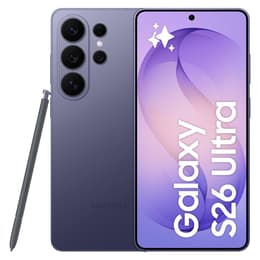
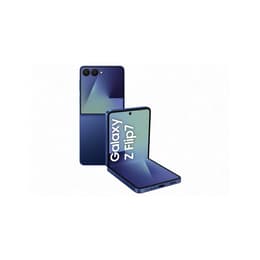
Galaxy S26 Ultra Vs Galaxy Z Flip7
- 1-year minimum warranty
- Free delivery on all orders
- Free 30-day returns
Differences at a glance
The Samsung Galaxy S26 Ultra (2026) and the Samsung Galaxy Z Flip7 (2025) represent two completely different approaches to modern smartphone engineering. While the Galaxy S26 Ultra adheres to the traditional slab design packed with top-tier productivity tools, the Galaxy Z Flip7 introduces a foldable clamshell form factor built around pocket-friendly portability and a creative outer display. Both devices run on Android with Samsung's custom interface, offering extended software support, but their distinct physical builds cater to entirely different everyday habits.
Available Models
Colour
Storage (GB)
Scores
Durability
When evaluating structural longevity and software support, both devices offer robust frameworks designed to last for several years of consistent daily use.
- Software Longevity: Both models receive multi-year operating system upgrades and security patches, though the Galaxy S26 Ultra benefits from a slightly later release window, extending its peak support timeline.
- Hardware Durability: The Galaxy S26 Ultra relies on a rigid slab structure with reinforced metallic framing, whereas the Galaxy Z Flip7 utilizes a complex folding hinge mechanism that requires careful handling over extended periods.
- Expected Lifespan: Both options maintain strong practical lifespans, though traditional slab handsets generally present fewer mechanical wear points over years of heavy use.
Year of Release
2026
2025
Compatible with latest Update
Yes
Yes
OS
Android
Android
Foldable
No
Yes
Performance
Underneath the surface, these two smartphones handle demanding applications, multitasking, and daily workloads through distinct hardware configurations tailored to their form factors.
- System Responsiveness: Both devices load heavy apps instantly and transition smoothly between multiple open programs, ensuring fluid multitasking without noticeable stuttering.
- Battery Behavior: The Galaxy S26 Ultra features a larger power capacity that comfortably sustains prolonged heavy usage, while the Galaxy Z Flip7's compact shell accommodates a smaller battery that may require a midday recharge for intensive users.
- Storage Configurations: Both smartphones offer generous baseline storage tiers with high-speed memory architectures to support large media libraries and local document caching.
Screen quality
Visual immersion and panel utility differ significantly between the wide, rigid canvas of the flagship slab and the folding multi-display setup of the clamshell.
- Display Technology: Both models utilize vibrant OLED panels that deliver deep contrast levels, sharp details, and rich colors for media consumption and web browsing.
- Brightness and Outdoors: The Galaxy S26 Ultra reaches exceptionally high peak brightness levels for clear outdoor visibility under direct sunlight, matching the capable outdoor readability of the Galaxy Z Flip7's main and cover screens.
- Refresh Rate and Smoothness: Both devices support high refresh rates, ensuring that scrolling through feeds and navigating the user interface feels fluid and responsive.
Resolution
1440 x 3120
1080x2520
Audiovisual
Photography and media capture capabilities vary to match the physical design and intended use cases of each smartphone.
- Camera System Versatility: The Galaxy S26 Ultra equips a comprehensive multi-lens array featuring advanced zoom capabilities and high-resolution main sensors, while the Galaxy Z Flip7 focuses on a streamlined dual-lens setup optimized for quick everyday snapshots and flexible angles.
- Low-Light Performance: Both handsets process dark environments effectively to reduce visual noise, though the larger sensor hardware on the slab flagship captures finer details in challenging lighting.
- Media Consumption: Stereo speakers on both devices deliver clear audio output for calls and video playback, though the larger acoustic chamber of the slab phone provides a slightly fuller sound profile.
Front camera
12.0
10 megapixels
Miscellaneous
Everyday handling, physical dimensions, and connectivity options highlight the practical trade-offs between a traditional powerhouse and a compact foldable.
- Build and Handling: The Galaxy S26 Ultra is a larger, heavier device designed for two-handed productivity, whereas the Galaxy Z Flip7 folds in half to slip easily into small pockets and bags.
- Ports and Connectivity: Both models support modern fifth-generation cellular networks, high-speed Wi-Fi standards, and secure biometric authentication through facial recognition or fingerprint scanners.
- Included Extras: The Galaxy S26 Ultra includes integrated stylus support for precise note-taking, a feature omitted on the Galaxy Z Flip7 due to its folding screen architecture.
Weight
214 g
188 g
Screen size (in)
6.9
6.9
Network
5G
5G
SIM card
Physical SIM + eSIM
Physical SIM + eSIM
Carrier compatibility
Unlocked
Unlocked
Connector
USB-C
USB-C
What the community thinks
User feedback from online communities highlights distinct preferences for each device based on lifestyle and workflow needs. Owners of the Galaxy S26 Ultra frequently praise its robust battery longevity, expansive screen space, and versatile camera reach, though some note its heavier weight and large physical footprint in pockets. Conversely, users of the Galaxy Z Flip7 appreciate its clever pocketable design and functional outer cover screen for quick notifications, while noting that the folding crease and shorter battery duration require minor compromises.
Users prioritizing productivity, advanced photography, and extended battery capacity will find the Galaxy S26 Ultra well-suited to their needs, while users prioritizing compact portability, one-handed pocket comfort, and a unique folding form factor may lean toward the Galaxy Z Flip7. For buyers exploring sustainable purchasing habits, choosing a quality-assured refurbished option provides an eco-friendly alternative that reduces electronic waste without sacrificing performance capability.