
Compare models
Galaxy S23 Vs Galaxy S26 Ultra
- 1-year minimum warranty
- Free delivery on all orders
- Free 30-day returns
Differences at a glance
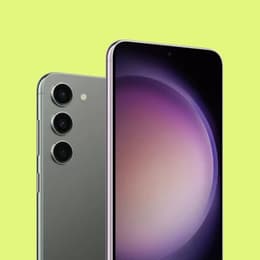
The Samsung Galaxy S23 (2023) and the Samsung Galaxy S26 Ultra (2026) represent different eras and tiers within Samsung's flagship smartphone ecosystem. While the Galaxy S23 serves as a compact and streamlined everyday device, the Galaxy S26 Ultra functions as a large-format powerhouse equipped with expansive capabilities and specialized productivity tools. Both handsets run on the Android operating system paired with Samsung's custom interface, yet they cater to distinct preferences regarding physical size, capability depth, and release timelines.
Available Models
Colour
Storage
Scores
Durability
Evaluating the lifecycle and durability of these two devices reveals clear differences rooted in their release dates and corresponding software support schedules.
- Software Support Window: The Galaxy S26 Ultra benefits from an extended multi-year update commitment stretching significantly further than the Galaxy S23, ensuring prolonged access to security patches and system upgrades.
- Build Materials and Protection: Both models incorporate robust aluminum frames and hardened glass paneling designed to withstand regular daily wear and accidental drops.
- Expected Longevity: The newer release date of the Galaxy S26 Ultra naturally provides a more extended operational lifespan ahead, whereas the Galaxy S23 has already completed a larger portion of its supported lifecycle.
Year of Release
2023
2026
Compatible with latest Update
Yes
Yes
OS
Android
Android
Foldable
No
No
Performance
Underneath the exterior, these smartphones handle everyday applications, demanding software, and multitasking demands differently based on their internal hardware generations.
- Multitasking and System Memory: The Galaxy S26 Ultra features a higher baseline amount of random access memory paired with modern storage configurations, allowing heavier applications and background tasks to run concurrently without stuttering.
- App Responsiveness and Gaming: Both units handle routine scrolling and media playback smoothly, but the Galaxy S26 Ultra provides additional thermal headroom and processing capability for sustained high-frame-rate mobile gaming.
- Battery Behavior: The Galaxy S23 relies on a smaller capacity power cell suited for moderate daily use, while the Galaxy S26 Ultra incorporates a larger battery designed to endure extended periods of heavy multimedia consumption and navigation.
Screen quality
Visual output and display engineering differ substantially between the compact framework of the older model and the sprawling canvas of the newer ultra-tier variant.
- Display Technology and Clarity: Both phones utilize vibrant advanced panel technology yielding deep contrast levels, though the Galaxy S26 Ultra delivers a higher resolution across a much larger diagonal footprint.
- Outdoor Visibility: High peak brightness capabilities on both screens ensure that text and media remain legible even under direct sunlight conditions.
- Refresh Rate and Smoothness: Both devices support rapid refresh rates up to 120Hz, ensuring fluid scrolling through web pages and responsive touch interactions during everyday navigation.
Resolution
1080 x 2340
1440 x 3120
Audiovisual
Optics and media capture represent a major dividing line between a standard multi-lens setup and an extensive professional-grade imaging array.
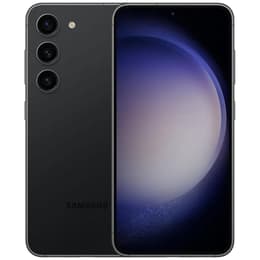
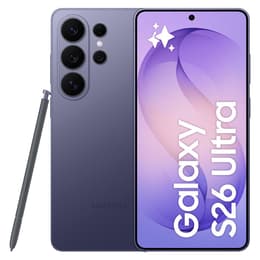
- Lens Versatility: The Galaxy S23 features a reliable triple-lens configuration handling standard and wide perspectives, whereas the Galaxy S26 Ultra integrates a quad-lens system complete with advanced long-range optical zoom capabilities.
- Low-Light Performance: Both models utilize advanced image processing algorithms to capture clear details in dim environments, though the larger sensor hardware on the Galaxy S26 Ultra pulls in extra light data.
- Audio and Video Output: Built-in microphone arrays on both units record clear voice audio for calls and video clips, complemented by stereo speakers that produce balanced sound for media playback.
Front camera
12 megapixels
12.0
Miscellaneous
Practical daily usability elements, physical dimensions, and connectivity standards shape how each phone feels and functions in regular hands-on use.
- Physical Dimensions and Weight: The Galaxy S23 is lightweight and compact, making it comfortable for single-handed operation, whereas the Galaxy S26 Ultra has a heavier, wider chassis that requires two hands for comfortable reach.
- Accessory Integration: The Galaxy S26 Ultra includes an integrated stylus slot for precise note-taking and drawing, a feature entirely absent on the standard Galaxy S23.
- Connectivity Standards: Both devices support modern fifth-generation cellular networks, rapid wireless pairing protocols, and secure biometric authentication through in-display fingerprint sensors.
Weight
167 g
214 g
Screen size (in)
6.1
6.9
Network
5G
5G
SIM card
Physical SIM + eSIM
Physical SIM + eSIM
Carrier compatibility
Unlocked
Unlocked
What the community thinks
User discussions across community forums highlight distinct sentiments for both devices. Owners of the Galaxy S23 frequently praise its pocket-friendly dimensions and dependable everyday agility, though some note that heavy gaming or long travel days require midday recharging. Conversely, users of the Galaxy S26 Ultra frequently commend its expansive display, versatile zoom optics, and productivity features, while occasionally mentioning that its large physical footprint and heavier weight can feel cumbersome during extended one-handed use.
Users prioritizing pocket-friendly portability, lightweight handling, and a compact footprint may prefer the Galaxy S23. Meanwhile, users prioritizing maximum screen estate, advanced optical zoom capabilities, and integrated stylus functionality will lean toward the Galaxy S26 Ultra. For those evaluating sustainable purchasing choices, a quality-assured refurbished option provides an eco-friendly alternative that extends device lifecycles without requiring the purchase of newly manufactured hardware. Ultimately, selecting between these two smartphones depends entirely on whether physical compactness or maximum functional capability aligns best with your daily routine.