
Compare models

Galaxy S25 FE Vs Xiaomi Redmi Note 14 Pro

  • 1-year minimum warranty
  • Free delivery on all orders
  • Free 30-day returns
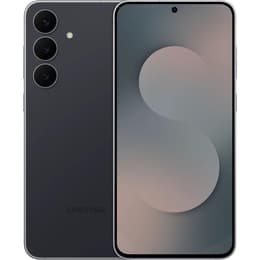
Galaxy S25 FE
Starting at

Refurbished price:€379.00

Versus €750.00 new

See options
Xiaomi Redmi Note 14 Pro
Starting at

Refurbished price:€240.00

Versus €349.99 new

See options

Differences at a glance

The Samsung Galaxy S25 FE (2025) and the Xiaomi Redmi Note 14 Pro (2024) are modern mid-to-high-tier smartphones designed to balance everyday usability with advanced capabilities. While both devices deliver large screen formats and versatile multi-lens camera systems, they cater to different platform ecosystems and user preferences through distinct hardware configurations. Operating on Android-based environments with custom interface layers, these smartphones offer reliable performance profiles tailored to contemporary digital demands.

Available Models

Colour

Storage (GB)

Scores

Durability

When evaluating structural longevity and software support, both devices provide robust timelines for everyday users, though their update windows differ.

  • Software Support: The Galaxy S25 FE benefits from an extended multi-year security and operating system update schedule typical of flagship-adjacent lines, whereas the Redmi Note 14 Pro offers a standard multi-generation upgrade path suited to mid-range cycles.
  • Build Durability: Both models incorporate resilient outer glass protection and substantial dust and water resistance ratings, helping them withstand daily wear and accidental exposure to the elements.
  • Expected Lifespan: Practical hardware endurance remains high for both options, ensuring consistent daily functionality across several years of typical ownership.

Year of Release

2025

2025

OS

Android

iOS

Foldable

No

No

Performance

System responsiveness and hardware capability vary across storage variants and processing architectures to handle daily tasks and multitasking efficiently.

  • Storage Configurations: Both devices offer multiple internal storage tiers paired with ample random access memory to keep background applications active without noticeable slowdowns.
  • Daily Multitasking: Everyday actions such as web browsing, social media feeds, and switching between productivity tools run smoothly on both models, supported by modern processor technology.
  • Battery Behavior: Each smartphone features a high-capacity power cell designed to last through a full day of mixed use, though charging speeds and heavy-drain endurance differ based on background resource management.

Screen quality

Viewing experiences on both handsets emphasize vibrant colors and fluid motion for media consumption and text legibility.

  • Display Technology: Both models utilize advanced OLED panel technology, delivering deep contrast levels, rich color reproduction, and sharp resolutions for detailed visual output.
  • Refresh Rate: A smooth 120Hz refresh rate ensures fluid scrolling through menus, web pages, and supported interactive applications.
  • Outdoor Visibility: High peak brightness capabilities on both screens allow for clear legibility even under direct sunlight.

Audiovisual

Imaging hardware on these smartphones handles standard photography and video recording across diverse lighting conditions.

  • Camera Array: Both feature versatile multi-lens rear setups, including high-resolution primary sensors alongside secondary ultra-wide options for landscape and group framing.
  • Low-Light Performance: Image processing software helps capture balanced details and controlled noise levels when shooting in dim environments.
  • Audio and Video: Built-in microphone arrays capture clear dialogue for calls and video clips, while stereo speaker setups provide immersive media playback for casual viewing.

Miscellaneous

Physical dimensions, connectivity standards, and daily handling characteristics shape the ergonomic feel of each device.

  • Connectivity: Both models support widespread 5G network bands, fast Wi-Fi standards, and modern Bluetooth versions for stable accessory pairing.
  • Physical Dimensions: Weighing around 190 grams with slim profiles, both handsets offer balanced ergonomics, though slight variations in width and height alter one-handed reach.
  • Biometrics and Ports: Secure unlocking is handled via responsive fingerprint sensors and facial recognition, while charging and data transfer rely on standard USB-C interfaces.

Weight

190 g

180 g

Screen size (in)

6.7

6.67

Network

5G

4G

SIM card

Physical SIM + eSIM

Dual Physical SIM

Carrier compatibility

Unlocked

Unlocked

What the community thinks

Community discussions and user feedback indicate that both smartphones satisfy distinct priorities for everyday consumers. Users frequently praise the Galaxy S25 FE for its refined ecosystem integration and long-term software commitment, while Redmi Note 14 Pro owners often highlight its striking display brightness and robust everyday endurance. Some users note that intensive gaming can cause localized warmth on both models, though general thermal management remains stable during standard navigation and media tasks.

Users prioritizing extended software update commitments and ecosystem consistency may prefer the Galaxy S25 FE, whereas users seeking high-tier display brightness and balanced everyday features often lean toward the Redmi Note 14 Pro. For those exploring sustainable purchasing routes, quality-assured refurbished options for both models provide an eco-friendly alternative that reduces electronic waste without compromising core functionality.