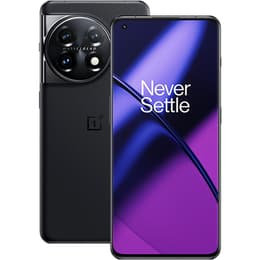
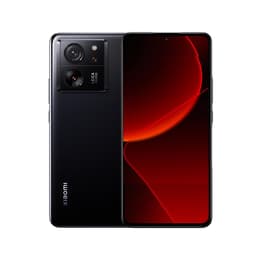


OnePlus 11 Vs Xiaomi 13T Pro

OnePlus 11
OnePlus 11
Starting at

Refurbished price:325.00

Versus €949.00 new

See options
Xiaomi 13T Pro
Xiaomi 13T Pro
Starting at

Refurbished price:241.00

Versus €900.00 new

See options

Ratings

The OnePlus 11, released in early 2023, and the Xiaomi 13T Pro, launched in late 2023, are both Android smartphones designed to offer robust performance and advanced features. While both devices share a commitment to high-end specifications, they differentiate themselves through their display technologies, camera philosophies, and overall design approaches. Both run on the Android operating system, providing a familiar software experience with their respective custom interfaces.

Scores

Durability

When considering the long-term usability of a smartphone, factors like software support, physical resilience, and repairability are key. The OnePlus 11 and Xiaomi 13T Pro offer distinct profiles in these areas.

  • Software Longevity: The OnePlus 11 is committed to providing four generations of Android upgrades and five years of security updates from its launch date. The Xiaomi 13T Pro also offers up to four major Android upgrades, ensuring a comparable period of software relevance.
  • Physical Durability: The OnePlus 11 features Corning Gorilla Glass Victus on the front and Gorilla Glass 5 on the back, encased in an aluminum frame, and carries an IP64 rating for splash resistance. The Xiaomi 13T Pro uses Corning Gorilla Glass 5 for its display and boasts an IP68 rating, indicating a higher level of dust and water resistance. However, some user reports suggest caution regarding the Xiaomi 13T Pro's real-world water resistance despite its IP68 certification.
  • Expected Lifespan: Both devices are built with materials and software support timelines that suggest a practical lifespan of several years, with the OnePlus 11's longer security update commitment potentially offering a slight edge in sustained security.

Year of Release

2023

2023

OS

Android

Android

Foldable

No

No

Performance

Both the OnePlus 11 and Xiaomi 13T Pro are equipped with powerful internal components designed for demanding tasks, though they utilize different underlying architectures.

  • Processing Power: The OnePlus 11 is powered by a current-generation processor that delivers smooth performance for everyday applications, intensive gaming, and efficient multitasking. The Xiaomi 13T Pro also features a high-performance processor, capable of handling graphically demanding games and complex applications with ease.
  • Multitasking and Storage: The OnePlus 11 is available with up to 16GB of RAM and offers storage options up to 512GB, utilizing UFS 4.0 for faster data access in higher storage configurations. The Xiaomi 13T Pro also comes with up to 16GB of RAM and offers storage up to 1TB, all using UFS 4.0, which contributes to quick app loading and responsive system operation.
  • Battery Behavior: Both phones house a 5000 mAh battery. The OnePlus 11 generally provides extended battery life, with users reporting it can last through a full day of heavy use and often beyond. The Xiaomi 13T Pro also offers substantial battery life, supporting prolonged video playback and music listening. Both devices feature rapid wired charging, with the OnePlus 11 supporting 100W (80W in some regions) and the Xiaomi 13T Pro supporting 120W, allowing for very quick recharges.

Memory (GB)

16 GB

12 GB

Screen quality

The visual experience on both the OnePlus 11 and Xiaomi 13T Pro is a highlight, with each device offering a high-quality display tailored for immersive viewing.

  • Display Technology and Clarity: The OnePlus 11 features a 6.7-inch QHD+ (1440 x 3216 pixels) Super Fluid LTPO AMOLED display, providing sharp images and vibrant colors. The Xiaomi 13T Pro comes with a 6.67-inch AMOLED display with a 1.5K (1220 x 2712 pixels) resolution, also delivering clear visuals.
  • Smoothness and Brightness: The OnePlus 11 offers an adaptive refresh rate of 1-120Hz, which helps conserve battery life while ensuring smooth scrolling and animations, with a peak brightness of 1300 nits. The Xiaomi 13T Pro boasts a higher 144Hz refresh rate for exceptionally fluid motion and an impressive peak brightness of 2600 nits, enhancing visibility in bright outdoor conditions.
  • Viewing Experience: Both displays support HDR10+ and Dolby Vision, contributing to a rich and dynamic viewing experience for compatible content. The OnePlus 11's curved display offers an immersive feel, while the Xiaomi 13T Pro's flat screen might be preferred by users who prioritize a less reflective surface.

Resolution

1440 x 3216

1220 x 2712

Audiovisual

Both smartphones feature versatile camera systems, designed to capture a range of photographic and videographic scenarios, though they approach imaging with different partnerships and sensor configurations.

  • Rear Camera Systems: The OnePlus 11 includes a triple camera setup co-developed with Hasselblad, featuring a 50 MP main sensor with optical image stabilization (OIS), a 48 MP ultrawide lens with autofocus, and a 32 MP telephoto lens offering 2x optical zoom. The Xiaomi 13T Pro also has a triple camera system, co-engineered with Leica, comprising a 50 MP main sensor with OIS, a 50 MP telephoto lens with 2x optical zoom, and a 12 MP ultrawide lens.
  • Photography Performance: The OnePlus 11's main camera is noted for producing sharp, detailed images with accurate color reproduction, performing well in various lighting conditions, including low light. The ultrawide camera is also praised for its detail and minimal color shift. The Xiaomi 13T Pro's Leica-tuned cameras are designed to offer authentic imagery, with its main and telephoto lenses delivering high-resolution results.
  • Video Capabilities: Both devices are capable of recording video at up to 8K resolution at 24 frames per second, along with various 4K and 1080p options, and include electronic image stabilization for smoother footage. The OnePlus 11's front camera is 16 MP, while the Xiaomi 13T Pro features a 20 MP front camera.

Miscellaneous

Beyond the core performance and display, several other features contribute to the overall user experience of these devices.

  • Connectivity and Ports: Both the OnePlus 11 and Xiaomi 13T Pro support 5G connectivity for fast mobile data. The OnePlus 11 supports Wi-Fi 6E/7 and Bluetooth 5.3, while the Xiaomi 13T Pro supports Wi-Fi 7 and Bluetooth 5.4, offering advanced wireless capabilities. Both devices feature a USB Type-C port for charging and data transfer, but neither includes a traditional 3.5mm headphone jack.
  • Biometric Security: For secure unlocking, both smartphones incorporate an in-display fingerprint sensor.
  • Design and Handling: The OnePlus 11 has a glass and metal construction, with a curved display and a distinctive circular camera module. The Xiaomi 13T Pro offers variants with either a glossy glass back or a vegan leather finish, providing different tactile experiences, and features a flat display. Both devices maintain a comfortable weight and dimensions for daily handling.

Weight

205 g

200 g

Screen size (in)

6.7

6.67

Network

5G

5G

SIM card

Physical SIM

Physical SIM + eSIM

Carrier compatibility

Unlocked

Unlocked

The OnePlus 11 and Xiaomi 13T Pro are both compelling Android smartphones, each with strengths that cater to different user preferences. Users often praise the OnePlus 11 for its consistently strong performance, excellent battery life, and very fast charging capabilities. Its display is frequently highlighted for its clarity and smoothness, and while its camera system is generally considered capable, some users note it may not always lead the class in every scenario. The software experience, though evolved from earlier OxygenOS versions, is still appreciated for its refinements and stability.

The Xiaomi 13T Pro receives commendation for its vibrant and exceptionally bright display with a high refresh rate, as well as its rapid 120W charging that can fully replenish the battery in a very short time. Its Leica-tuned camera system is a significant draw for those interested in specific photographic styles and capabilities. However, some user discussions have raised concerns regarding the real-world effectiveness of its IP68 water resistance, despite the official rating.

Users prioritizing a device with a slightly longer security update commitment and a proven track record of robust battery performance might lean towards the OnePlus 11. Those who value an even brighter display, a higher refresh rate, and a camera system with a distinct photographic partnership may find the Xiaomi 13T Pro more aligned with their needs. Both devices represent strong choices in the Android ecosystem, and considering a quality-assured refurbished option for either model can be an eco-friendly alternative to purchasing new.


See all articles

Our recent comparisons






