


Compare models
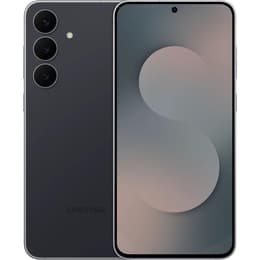
Galaxy S25 FE Vs iPhone Air
- 1-year minimum warranty
- Free delivery on all orders
- Free 30-day returns
Differences at a glance
The Samsung Galaxy S25 FE (2025) and the Apple iPhone Air (2025) represent two distinct approaches to modern smartphone engineering, balancing advanced capabilities with signature design philosophies. While the Galaxy S25 FE focuses on delivering a well-rounded multimedia experience on Android, the iPhone Air prioritizes an ultra-slim profile and seamless integration within the iOS ecosystem.
These devices differ significantly in their operating systems, form factors, and hardware layouts, providing distinct options for everyday mobile users.
Available Models
Colour
Storage
Scores
Durability
When evaluating the long-term viability of these devices, both manufacturers offer robust support frameworks, though they differ in hardware durability and software update schedules.
- Software Support and Updates: Both models receive multi-year operating system upgrades and security patches, aligning with current industry standards for flagship-tier hardware longevity.
- Build and Repairability: The Galaxy S25 FE features a conventional frame structure designed for standard maintenance, whereas the iPhone Air utilizes an exceptionally thin titanium build that prioritizes structural rigidity over modular repair access.
- Expected Lifespan: Both smartphones maintain reliable performance over several years of standard daily use, though hardware resilience varies depending on drop protection and battery conservation habits.
Year of Release
2025
2025
Compatible with latest Update
Yes
Yes
OS
Android
iOS
Foldable
No
No
Performance
System responsiveness and daily speed capabilities vary between the two platforms, driven by optimized software environments and powerful underlying processing hardware.
- Multitasking and App Handling: Both devices manage demanding applications, intensive multitasking, and gaming smoothly without noticeable stutter or slowdown during standard execution.
- Storage Configurations: Multiple internal storage capacities are available for both models, accommodating large photo libraries, downloaded media, and offline application data without expandable memory slots.
- Battery Behavior: Battery endurance differs due to physical sizing constraints, with the bulkier Android model supporting longer heavy-use cycles, while the ultra-thin iOS device relies on efficient power management to last through standard daily routines.
Screen quality
Visual immersion and display fidelity are central to both smartphones, utilizing advanced panel technologies to ensure sharp text and vivid imagery.
- Display Technology: Both models feature bright OLED screens that produce deep black levels, high contrast ratios, and vivid color reproduction suitable for all forms of media consumption.
- Outdoor Visibility: High peak brightness capabilities on both displays ensure that content remains legible under direct sunlight or bright ambient lighting conditions.
- Refresh Rate and Smoothness: High refresh rate support enables fluid scrolling through web pages, responsive touch feedback, and smooth animation transitions across the user interface.
Audiovisual
Photography and video recording suites differ noticeably in lens configuration and computational processing approaches between the two manufacturers.
- Camera System Setup: The Galaxy S25 FE relies on a versatile multi-lens rear array including a primary sensor and supportive secondary lenses, while the iPhone Air features a streamlined single-lens high-resolution setup.
- Image and Video Quality: Both devices deliver sharp everyday photos and balanced low-light performance through automated computational enhancements, alongside stable high-definition video recording capabilities.
- Audio and Media Output: Built-in microphone arrays capture clear voice audio for calls and video notes, while the internal speaker systems offer adequate sound output for casual media playback.
Miscellaneous
Physical dimensions and connectivity standards define how each device integrates into accessories, travel kits, and everyday handling routines.
- Connectivity and Ports: Both smartphones support modern 5G cellular networks, high-speed Wi-Fi standards, and Bluetooth connections, utilizing USB-C ports for wired data transfers and charging.
- Security and Biometrics: Secure authentication is handled via responsive biometric sensors, using either display-integrated optical recognition or advanced facial mapping depending on the model.
- Dimensions and Weight: The Galaxy S25 FE offers a conventional hand-feel with standard thickness, whereas the iPhone Air stands out with an exceptionally lightweight and remarkably thin chassis that minimizes pocket bulk.
Weight
190 g
165 g
Screen size (in)
6.7
6.5
Network
5G
5G
SIM card
Physical SIM + eSIM
eSIM
Carrier compatibility
Unlocked
Unlocked
Connector
USB-C
USB-C
What the community thinks
Choosing between the Samsung Galaxy S25 FE and the iPhone Air depends largely on preferred operating systems, physical handling preferences, and specific everyday priorities. Users prioritizing a lightweight profile, slim dimensions, and deep iOS integration will find the iPhone Air well-suited to their daily routines. Conversely, users prioritizing a traditional multi-lens camera layout and robust Android multitasking capabilities may prefer the Galaxy S25 FE.
For consumers seeking an eco-friendly alternative, exploring a quality-assured refurbished option provides a sustainable way to access these advanced features while reducing electronic waste. Reviewing personal software preferences and ergonomic needs remains the most effective strategy for making a balanced purchasing decision.









