


Compare models

Galaxy S25 FE Vs Google Pixel 9

  • 1-year minimum warranty
  • Free delivery on all orders
  • Free 30-day returns
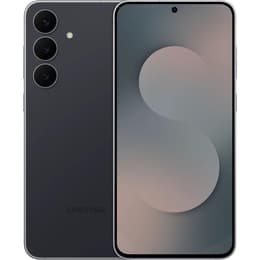
Galaxy S25 FE
Starting at

Refurbished price:415.00

Versus €750.00 new

See options
Google Pixel 9
Starting at

Refurbished price:413.00

Versus €1,066.71 new

See options

Differences at a glance

The Samsung Galaxy S25 FE (2025) and the Google Pixel 9 (2024) are prominent modern smartphones designed to deliver flagship-tier experiences without occupying the highest tier of device pricing. While both models run on the Android operating system, they approach daily usability through distinctly different hardware layouts and software ecosystems, with the Samsung model offering a larger workspace and the Google device prioritizing streamlined, AI-assisted functionality.

Available Models

Colour

Storage (GB)

Scores

Durability

When evaluating long-term usability and physical resilience, both devices provide robust update commitments and solid construction standards suited for multi-year ownership.

  • Software longevity: Both manufacturers support their hardware with extensive multi-year operating system updates, though the Galaxy S25 FE benefits from a slightly later release window, extending its baseline support timeline accordingly.
  • Build protection: Each model incorporates high-grade glass panels and aluminum framing paired with dust and water resistance ratings, ensuring structural durability against everyday wear and accidental exposure.
  • Repair ecosystem: Standardized internal layouts allow authorized technicians to service components like batteries and screens relatively efficiently, helping extend the practical service life of both options.

Year of Release

2025

2024

Compatible with latest Update

Yes

Yes

OS

Android

Android

Foldable

No

No

Performance

Day-to-day operation, multitasking capability, and energy management vary between the two models due to distinct internal hardware configurations.

  • Multitasking and memory: The Google Pixel 9 features ample memory capacity to keep background applications active smoothly, while the Galaxy S25 FE balances intensive tasks and general application loading through its optimized processing architecture.
  • Battery behavior: Both smartphones comfortably handle standard daily routines including web browsing, messaging, and media streaming, though heavy gaming or continuous navigation will require a recharge before the end of a long day.
  • Storage configurations: Users can select from multiple internal storage tiers to accommodate extensive photo libraries and offline media collections, though neither device supports expandable storage cards.

Screen quality

Visual output and panel characteristics differ notably in physical dimensions and interactive fluidity between the two handsets.

  • Display technology: Both devices utilize vibrant OLED panels that deliver deep contrast levels, sharp text rendering, and wide viewing angles suitable for reading and video playback.
  • Brightness and outdoor visibility: High peak brightness capabilities ensure that on-screen content remains legible even under direct sunlight or bright outdoor environments.
  • Refresh rate: Smooth scrolling and fluid animation tracking are standard across both interfaces thanks to responsive high refresh rate technology, though the Galaxy S25 FE provides a noticeably larger viewing canvas.

Audiovisual

Photography and media recording capabilities reflect distinct software tuning philosophies and hardware setups across both models.

  • Camera arrays: The Google Pixel 9 utilizes a dual rear camera system heavily backed by automated image processing, whereas the Galaxy S25 FE features a versatile triple-lens setup that includes a dedicated telephoto option for optical zoom flexibility.
  • Low-light performance: Advanced nighttime shooting modes on both devices capture balanced exposures and controlled noise levels in dim environments.
  • Audio and video: Built-in microphone arrays deliver clear voice capture for calls and video recordings, complemented by stereo speakers that produce adequate volume for casual media consumption.

Miscellaneous

Physical dimensions, connectivity standards, and daily handling characteristics establish distinct ergonomic profiles for each phone.

  • Handling and footprint: The Google Pixel 9 offers a more compact, pocket-friendly form factor with rounded edges, whereas the Galaxy S25 FE presents a larger physical footprint that accommodates a more expansive viewing area.
  • Connectivity: Both models support modern 5G networks, rapid Wi-Fi standards, and Bluetooth pairing alongside secure biometric unlocking methods via in-display fingerprint sensors.
  • Physical ports: Each device relies on a reversible USB-C port for charging and data transfer, omitting traditional legacy headphone jacks in line with current industry standards.

Weight

190 g

198 g

Screen size (in)

6.7

6.3

Network

5G

5G

SIM card

Physical SIM + eSIM

Physical SIM + eSIM

Carrier compatibility

Unlocked

Unlocked

Connector

USB-C

USB-C

What the community thinks

Community discussions and user feedback indicate that both smartphones excel in daily productivity, though user preferences diverge based on physical sizing and photographic priorities. Owners of the Google Pixel 9 frequently praise its reliable point-and-shoot camera consistency and clean software interface, while some note that its charging speeds are relatively standard. Conversely, users of the Galaxy S25 FE highlight the spacious display and versatile zoom capabilities as major daily assets, though occasional observations point to its larger physical dimensions being less suited for single-handed use.

Users prioritizing a more compact physical build and automated photographic assistance will find the Google Pixel 9 well-suited to their needs, while users who prefer a larger viewing area alongside dedicated optical zoom flexibility may lean toward the Samsung alternative. For shoppers seeking a sustainable choice, a quality-assured refurbished option provides an eco-friendly alternative to purchasing new without compromising on performance or longevity. Ultimately, evaluating these devices depends on matching physical dimensions and camera preferences to individual daily routines.