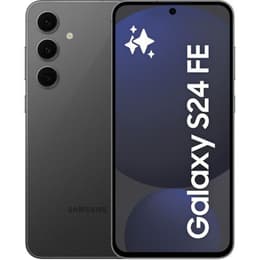
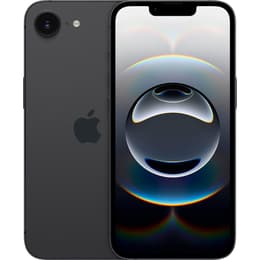


Galaxy S24 FE Vs iPhone 16e

Galaxy S24 FE
Galaxy S24 FE
Starting at

Refurbished price:329.00

Versus €991.15 new

See options
iPhone 16e
iPhone 16e
Starting at

Refurbished price:387.00

Versus €719.00 new

See options

Ratings

The Samsung Galaxy S24 FE, released in late 2024, and the Apple iPhone 16E, introduced in early 2025, represent two distinct approaches to offering advanced smartphone features in more accessible packages. While both devices aim to deliver a premium experience, they cater to different ecosystems and user preferences. The Galaxy S24 FE operates on Android, emphasizing a larger display and a versatile camera system, whereas the iPhone 16E runs on Apple's iOS, focusing on a compact form factor and integrated software experience. These models offer a blend of flagship-level capabilities with strategic adjustments to suit a broader audience.

Scores

Durability

When considering the long-term usability of these devices, their respective release timelines and software support policies are key factors. The Galaxy S24 FE was launched in September 2024, and Samsung has committed to providing up to seven years of OS and security updates for its S24 series, including the FE model. This extended support period suggests a considerable software longevity.

  • Release Timeline: The Galaxy S24 FE debuted in late 2024, while the iPhone 16E was announced in February 2025 and released shortly after.
  • OS Support: Samsung's commitment to seven years of updates for the S24 FE provides a long software lifespan, extending well into the future. The iPhone 16E, running iOS, typically receives updates for five to six years from its release, though it was discontinued in March 2026 in favor of the iPhone 17e.
  • Practical Lifespan: Both devices are built with durable materials and carry IP68 ratings for dust and water resistance, contributing to their physical longevity. However, the iPhone 16E's discontinuation as a new model means that while refurbished options remain viable, its direct product cycle was shorter.

Year of Release

2024

2025

OS

Android

iOS

Foldable

No

No

Performance

Both the Galaxy S24 FE and the iPhone 16E are equipped with capable processors designed to handle a wide range of tasks, from everyday applications to more demanding operations. The real-world performance differences often come down to software optimization and specific hardware configurations.

  • Processing Power: The Galaxy S24 FE is powered by an Exynos 2400e chipset, an optimized version of the flagship Exynos 2400, which allows for smooth multitasking and efficient handling of various applications. The iPhone 16E features Apple's A18 system on a chip, providing responsive performance for iOS applications and integrated features, including support for Apple Intelligence.
  • Multitasking and Storage: The Galaxy S24 FE typically comes with 8GB of RAM and offers storage options up to 256GB or 512GB, providing ample space and memory for multiple apps running simultaneously. The iPhone 16E also includes 8GB of RAM and is available with 128GB, 256GB, or 512GB of internal storage, ensuring smooth transitions between applications.
  • Battery Behavior: The Galaxy S24 FE houses a 4700mAh battery, designed to provide extended usage throughout the day, with support for fast charging. The iPhone 16E offers up to 26 hours of video playback and 90 hours of audio playback, indicating strong battery endurance for its size.

Memory (GB)

8 GB

8 GB

Screen quality

The display is a primary interface for any smartphone, and both the Galaxy S24 FE and the iPhone 16E offer vibrant and clear viewing experiences, though they utilize different technologies and design philosophies.

  • Display Technology and Size: The Galaxy S24 FE features a 6.7-inch Dynamic AMOLED 2X FHD+ display, known for its rich colors and deep blacks, offering an expansive viewing area. The iPhone 16E comes with a 6.1-inch Super Retina XDR OLED display, which is identical to the panel found on the iPhone 14, providing excellent contrast and color accuracy in a more compact form.
  • Resolution and Brightness: The Galaxy S24 FE has a resolution of 1080x2340 pixels, with a 120Hz refresh rate for smooth scrolling and animations. It offers a peak brightness of 1900 nits, ensuring good visibility even in bright conditions. The iPhone 16E features a 2532 x 1170 pixel resolution at 460 PPI and a 60Hz refresh rate, with typical brightness reaching 800 nits and peak HDR brightness up to 1200 nits.
  • Viewing Experience: The larger screen of the Galaxy S24 FE is well-suited for media consumption and multitasking, while the iPhone 16E's display, despite its smaller size, delivers a sharp and color-accurate image, protected by Ceramic Shield technology. The iPhone 16E retains a notch design, unlike the Dynamic Island found on other iPhone 16 models.

Resolution

1080 x 2340

2532x1170

Audiovisual

Photography capabilities are a significant consideration for many smartphone users, and both devices offer robust camera systems designed to capture high-quality images and videos in various scenarios.

  • Rear Camera System: The Galaxy S24 FE boasts a versatile triple-camera setup, including a 50MP wide-angle primary camera, a 12MP ultra-wide-angle camera, and an 8MP telephoto lens with 3x optical zoom. This configuration allows for flexibility in capturing different perspectives. The iPhone 16E features a 48MP Fusion rear camera with a single lens, capable of producing super-high-resolution photos and offering optical-quality 2x telephoto zoom by cropping the sensor.
  • Photography Performance: The Galaxy S24 FE's camera system is designed for decent overall performance, with its 50MP main sensor capturing detailed images. The iPhone 16E's 48MP Fusion camera, enhanced by the A18 chip, supports features like Smart HDR 5 and Portrait mode, delivering clear and vibrant photos, though its Portrait mode is primarily optimized for human faces.
  • Video and Audio: The Galaxy S24 FE supports 8K video recording at 30 frames per second, providing high-resolution video capture. The iPhone 16E is capable of recording 4K video at various frame rates, and both its front and rear cameras support Portrait mode and Portrait Lighting for video. Both devices offer quality microphone performance for calls and recording, and the iPhone 16E includes Dolby Atmos-tuned Spatial Audio for an immersive listening experience.

Miscellaneous

Beyond the core specifications, several practical features and design elements contribute to the overall user experience and differentiate these two smartphones.

  • Connectivity and Ports: Both devices support 5G connectivity for fast mobile data. The Galaxy S24 FE includes Wi-Fi 6E and Bluetooth 5.3. The iPhone 16E also features Wi-Fi 6 and Bluetooth 5.3, and notably, it adopts a USB-C port, aligning with the broader iPhone 16 series and marking a transition from the Lightning connector.
  • Build and Handling: The Galaxy S24 FE has dimensions of 77.3 x 162 x 8 mm and weighs 213g, offering a substantial feel. The iPhone 16E is more compact at 146.7 × 71.5 × 7.8 mm and weighs 167g, making it easier for one-handed use. Both devices feature an IP68 rating for dust and water resistance. The iPhone 16E also incorporates an Action Button, replacing the traditional mute switch, offering customizable quick access to various functions.
  • Security and Other Features: The Galaxy S24 FE includes an in-display fingerprint scanner for secure unlocking. The iPhone 16E relies on Face ID for biometric authentication. The iPhone 16E also supports Emergency SOS and Messages via satellite, providing enhanced safety features in areas without cellular coverage.

Weight

213 g

167 g

Screen size (in)

6.7

6.1

Network

5G

5G

SIM card

Dual Physical SIM

eSIM

Carrier compatibility

Unlocked

Unlocked

Connector

USB-C

USB-C

The Samsung Galaxy S24 FE and the Apple iPhone 16E each present a compelling package for users seeking a blend of advanced features and practical usability. User sentiment for the Galaxy S24 FE often highlights its large, vibrant display and the versatility of its triple-camera system, making it a strong contender for those who prioritize media consumption and diverse photography options. The extended software support from Samsung is also a frequently praised aspect, offering peace of mind for long-term ownership. Some users, however, might note that while its processor is capable, it's an 'e' variant of the flagship chip, which could imply a slight performance difference compared to the top-tier S24 models.

The iPhone 16E, on the other hand, is often lauded for its compact design, the seamless integration of iOS, and the robust performance delivered by its A18 chip. Users appreciate the consistent Apple ecosystem experience and the inclusion of features like the Action Button and USB-C connectivity, bringing it closer to the standard iPhone 16 models. A common point of discussion for the iPhone 16E might be its 60Hz display, which, while high-quality, doesn't offer the smoother refresh rates found on some competitors or higher-end iPhones. Its single rear camera, despite its high resolution and optical-quality zoom, might also be seen as a limitation for those desiring ultra-wide or dedicated telephoto lenses.

Users prioritizing a larger screen, a multi-lens camera system, and extensive software support within the Android ecosystem may find the Galaxy S24 FE well-suited to their needs. Conversely, those who prefer a more compact device, the intuitive iOS experience, and robust performance for everyday tasks and Apple's integrated services might lean towards the iPhone 16E. Both devices offer quality-assured refurbished options, providing an eco-friendly alternative for consumers looking to make informed and sustainable choices.


See all articles

Our recent comparisons






