
Compare models

Lenovo ThinkPad T14 G2 14" Vs Microsoft Surface Pro 9 13"

  • 1-year minimum warranty
  • Free delivery on all orders
  • Free 30-day returns
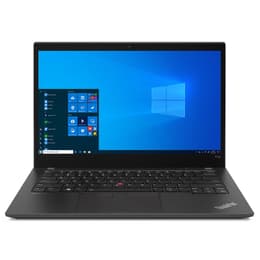
Lenovo ThinkPad T14 G2 14"
Starting at

Refurbished price:€533.00

Versus €799.00 new

See options
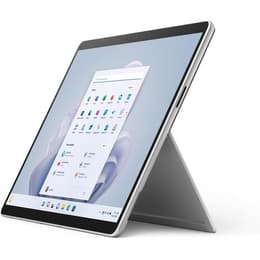
Microsoft Surface Pro 9 13"
Starting at

Refurbished price:€826.99

Versus €1,830.45 new

See options

Differences at a glance

The Lenovo ThinkPad T14 Gen 2 (2021) and the Microsoft Surface Pro 9 (2022) represent two distinct approaches to portable computing: a traditional clamshell laptop designed for robust productivity and a versatile tablet-first hybrid built for flexibility. While both devices target professionals, students, and frequent travelers, they differ fundamentally in form factor, operating system versatility regarding hardware integration, and everyday mechanical design. This comparison explores their practical differences to help you decide which configuration best fits your daily routine.

Available Models

Storage

Processor

Memory

Scores

Durability

When evaluating structural longevity and software support, both machines offer distinct advantages based on their build philosophy and component architecture.

  • Software lifecycle and support: Both devices receive regular operating system updates and security patches, though their hardware lifespans depend heavily on internal component durability and battery degradation over years of heavy daily commuting and office work.
  • Repairability and structural design: The Lenovo ThinkPad T14 Gen 2 features a traditional modular laptop chassis that allows for easier component access, whereas the Microsoft Surface Pro 9 utilizes a sealed tablet structure that presents greater challenges for physical repairs and internal component replacement.
  • Expected practical lifespan: Both units deliver reliable long-term performance for standard multitasking and web navigation, though users prioritizing easier hardware maintenance and component upgrades tend to favor the traditional clamshell layout.

Year of Release

2021

2022

Last Os Compatibility

Yes

Yes

OS

Windows 11

Windows 11

Performance

Underneath their exteriors, both models handle everyday office tasks, document editing, and browser-heavy workflows with dependable speed and system responsiveness.

  • Storage and multitasking capacity: Both systems provide multiple configurations for solid-state storage and memory size, allowing smooth switching between dozens of browser tabs, video conferencing applications, and heavy spreadsheets without noticeable lag.
  • Thermal behavior and battery runtime: The Lenovo model utilizes active internal cooling to sustain demanding applications over extended periods, while the Microsoft device relies on efficient power management that suits mobile users who transition frequently between various workspaces throughout the day.
  • Everyday system responsiveness: App loading times and system startup remain swift on both platforms, ensuring that users experience minimal friction during demanding professional tasks or academic projects.

Graphic card

Integrated Graphics

Integrated Graphics

Screen quality

Display characteristics differ significantly between the two devices, impacting how users experience text clarity, color reproduction, and media consumption.

  • Display format and resolution: The Lenovo ThinkPad T14 Gen 2 offers a traditional 14-inch widescreen panel optimized for side-by-side document editing, while the Microsoft Surface Pro 9 features a 13-inch taller aspect ratio display designed to mimic physical paper documents and enhance digital note-taking.
  • Brightness and outdoor visibility: Both screens reach adequate peak brightness levels for indoor office environments and moderately lit transit settings, though direct sunlight may require manual brightness adjustments on both panels.
  • Panel technology and touch capability: The Microsoft model incorporates a responsive touch-sensitive screen designed for stylus input and tablet-mode usage, whereas the Lenovo variant focuses on a conventional matte or glossy non-touch laptop display optimized for standard keyboard and trackpad navigation.

Resolution

1920 x 1080

2880 x 1920

Screen type

IPS

LED

Camera

Audiovisual

Audio-visual capabilities play a crucial role for remote workers and students relying on daily virtual meetings and multimedia streaming.

  • Webcam and video call quality: Both devices include integrated front-facing cameras equipped to handle video conferences clearly, capturing natural skin tones and stable video feeds under standard indoor lighting conditions.
  • Microphone and speaker performance: Integrated microphone arrays on both models effectively filter out background ambient noise during calls, while their built-in stereo speakers deliver clear vocal reproduction suitable for podcasts and online lectures rather than immersive music listening.
  • Media consumption experience: Watching video content on these displays offers crisp detail and balanced contrast, with the Lenovo providing a wider horizontal canvas and the Microsoft offering a dense, vibrant pixel layout tailored for vertical scrolling and digital illustration.

Miscellaneous

Physical dimensions, weight distribution, and port availability dictate how comfortably each device adapts to mobile lifestyles and diverse working environments.

  • Port selection and connectivity: The Lenovo ThinkPad T14 Gen 2 provides a comprehensive array of built-in physical ports including standard USB slots, HDMI, and network connections, whereas the Microsoft Surface Pro 9 streamlines its profile by relying primarily on versatile universal serial bus ports and magnetic charging connectors.
  • Weight and physical handling: The Microsoft device functions as a lightweight standalone tablet that requires an attachable keyboard cover for traditional typing, while the Lenovo offers an all-in-one clamshell body with a renowned tactile keyboard experience.
  • Build materials and durability: Both computers utilize sturdy exterior housing materials designed to withstand the rigors of frequent travel, though their physical resilience differs when exposed to accidental drops or impacts in transit bags. Users seeking a sustainable choice can explore quality-assured refurbished options for both models, which extend device lifecycles while reducing electronic waste.

Weight

1530 g

883 g

Screen size

14

13

What the community thinks

Choosing between the Lenovo ThinkPad T14 Gen 2 and the Microsoft Surface Pro 9 ultimately depends on whether your daily workflow benefits more from a traditional laptop layout or a flexible tablet form factor. Users who prioritize a comfortable lap-friendly typing experience, extensive built-in port connectivity, and straightforward hardware maintenance often find that the Lenovo model aligns well with their productivity habits. Conversely, individuals who value ultra-portable dimensions, digital pen support for sketching or note-taking, and a detachable screen configuration frequently lean toward the Microsoft device.

Real-world feedback highlights the dependable keyboard comfort and port versatility of the ThinkPad line, while Surface users frequently praise the display clarity and fluid transition between laptop and tablet modes. Both machines deliver reliable performance for standard professional and academic tasks. Users prioritizing classic productivity ergonomics may prefer the Lenovo ThinkPad T14 Gen 2, while users prioritizing creative flexibility and lightweight travel may prefer the Microsoft Surface Pro 9. Considering a quality-assured refurbished option provides an eco-friendly alternative that supports sustainable technology consumption without compromising on daily reliability.


Our recent comparisons








