


Compare models
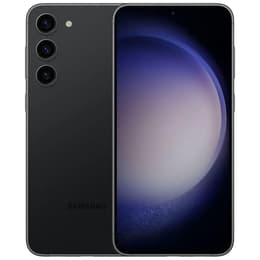
Galaxy S23+ Vs iPhone Air
- 1-year minimum warranty
- Free delivery on all orders
- Free 30-day returns
Differences at a glance
The Samsung Galaxy S23+ (2023) and the Apple iPhone Air (2025) represent two distinct approaches to modern smartphone engineering, balancing different priorities in design and day-to-day usability. While the Galaxy S23+ offers a traditional, well-rounded flagship experience running on the Android operating system, the iPhone Air introduces a breakthrough ultra-slim profile powered by iOS. These devices cater to distinct user preferences regarding physical form factor, software ecosystems, and hardware capabilities.
Available Models
Colour
Storage
Scores
Durability
When evaluating hardware longevity and software support, both smartphones offer robust lifespans backed by high-grade manufacturing, though they occupy different generations.
- Software Update Timeline: The iPhone Air benefits from a newer release window and extended software support schedules typical of recent Apple releases, whereas the Galaxy S23+ relies on Samsung's multi-year operating system and security patch commitments.
- Build Integrity and Materials: The Galaxy S23+ features sturdy armor aluminum and durable glass construction, while the iPhone Air utilizes a rigid titanium frame paired with advanced scratch-resistant protective glass panels on both the front and back.
- Expected Practical Lifespan: Both models provide ample performance headroom and component durability to remain fully functional for years of daily use, making quality-assured refurbished options an eco-friendly alternative for conscious consumers.
Year of Release
2023
2025
Compatible with latest Update
Yes
Yes
OS
Android
iOS
Foldable
No
No
Performance
Both devices deliver fluid system responsiveness and handle demanding daily workflows, though they utilize different hardware configurations to achieve their performance levels.
- App Loading and Multitasking: Each model transitions smoothly between resource-heavy applications, rapid web browsing, and casual gaming without noticeable stutter or lag.
- Storage and Memory: The Galaxy S23+ provides generous standard storage tiers paired with responsive memory capacity, whereas the iPhone Air offers alternative high-speed storage configurations and substantial memory allocation for heavy background tasks.
- Power Management: The Galaxy S23+ houses a larger internal battery capacity designed for enduring mixed usage, while the iPhone Air relies on energy-efficient internal engineering to maintain reliable all-day battery performance within a remarkably compact body.
Screen quality
Display technology is a focal point for both handsets, offering vibrant visuals, deep contrast levels, and smooth motion handling.
- Display Panels and Clarity: Both smartphones incorporate bright, high-resolution organic light-emitting diode screens that deliver vivid colors, sharp text, and deep black levels for media consumption.
- Refresh Rate and Motion: Each model supports a rapid refresh rate that ensures seamless scrolling, fluid animations, and responsive touch feedback across menus and applications.
- Outdoor Visibility: High peak brightness capabilities on both screens ensure content remains easily legible even under direct sunlight or bright ambient lighting conditions.
Resolution
1080 x 2340
2736x1260
Screen type
Dynamic AMOLED 2X
Super Retina XDR
Audiovisual
Imaging hardware and audio output vary between the two models, catering differently to photography enthusiasts and media consumers.
- Camera System Capabilities: The Galaxy S23+ features a versatile multi-lens rear array including dedicated optical zoom capabilities, while the iPhone Air utilizes a streamlined single-lens high-resolution primary system paired with advanced computational photography tools.
- Low-Light and Video Performance: Both handsets capture clear, detailed photographs in challenging lighting environments and record stabilized video with crisp audio clarity.
- Media and Audio Output: Integrated stereo speaker setups on both devices provide clear dialogue and balanced sound output for hands-free calls, video viewing, and casual listening.
Main camera
50 megapixels
48 megapixels
Front camera
12 megapixels
18 megapixels
Miscellaneous
Practical physical attributes and connectivity standards shape how each smartphone integrates into everyday routines.
- Physical Dimensions and Weight: The Galaxy S23+ provides a traditional, comfortable handset footprint with a balanced weight distribution, while the iPhone Air emphasizes an exceptionally thin and lightweight profile designed for effortless handling.
- Connectivity Standards: Both devices support rapid fifth-generation cellular networks, modern wireless protocols, and fast short-range data transfer options.
- Authentication and Ports: The Galaxy S23+ utilizes an integrated display fingerprint scanner alongside facial recognition, whereas the iPhone Air relies exclusively on advanced facial scanning technology and standard universal cable connections.
Weight
168 g
165 g
Screen size (in)
6.6
6.5
Network
5G
5G
SIM card
Dual Physical SIM + eSIM
eSIM
Carrier compatibility
Unlocked
Unlocked
Connector
USB-C
USB-C
What the community thinks
User discussions across community forums highlight distinct sentiments for both devices. Owners of the Galaxy S23+ frequently praise its reliable battery performance, traditional ergonomics, and versatile multi-lens camera setup, though some note that its physical footprint is more conventional. Conversely, admirers of the iPhone Air often emphasize its striking, featherlight profile and smooth software integration, while occasional discussions point out the absence of a physical SIM tray and dedicated telephoto lens as points for consideration.
Users prioritizing a traditional multi-lens camera system and extensive battery capacity may prefer the Galaxy S23+, while users prioritizing an ultra-slim physical profile and a streamlined ecosystem experience will lean toward the iPhone Air. Selecting either model depends on individual daily habits and design preferences. Opting for a quality-assured refurbished option provides a sustainable choice that reduces electronic waste without compromising performance standards.









