

Galaxy S23+ Vs iPhone 16 Pro

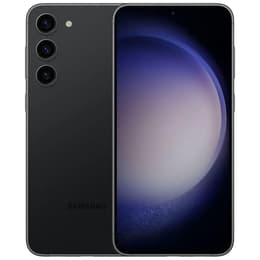
Galaxy S23+
Galaxy S23+
Starting at

Refurbished price:295.00

Versus €1,019.00 new

See options
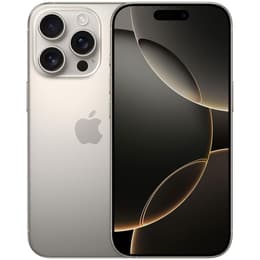
iPhone 16 Pro
iPhone 16 Pro
Starting at

Refurbished price:650.00

Versus €1,239.00 new

See options

Ratings

The Samsung Galaxy S23 Plus, released in February 2023, and the iPhone 16 Pro, launched in September 2024, represent distinct approaches to high-end smartphone design and functionality. While both devices offer premium experiences, they differ significantly in their operating systems, camera capabilities, and overall design philosophy. The Galaxy S23 Plus operates on Android, offering extensive customization, whereas the iPhone 16 Pro runs on iOS, known for its integrated ecosystem and streamlined user experience.

Scores

Durability

When considering the practical lifespan of these devices, several factors come into play, including their release timelines, software support, and physical durability.

  • Release Timeline: The iPhone 16 Pro, being released in September 2024, benefits from a more recent launch compared to the Galaxy S23 Plus, which debuted in February 2023. This difference in release dates typically translates to a longer period of software updates and security patches for the iPhone 16 Pro.
  • Software Longevity: Apple generally provides software updates for its iPhones for a longer duration than many Android manufacturers. The iPhone 16 Pro launched with iOS 18, ensuring several years of feature updates and security support, potentially up to 7 years for annual feature updates and longer for security patches. The Galaxy S23 Plus, starting with Android 13, is promised four generations of OS upgrades and five years of security updates, meaning it will receive updates up to Android 17 and security patches until 2028.
  • Physical Durability and Repairability: Both devices offer robust build quality. The Galaxy S23 Plus features Corning Gorilla Glass Victus 2 on its front and back, complemented by an Armor Aluminum frame, and boasts an IP68 rating for dust and water resistance. The iPhone 16 Pro utilizes a titanium frame and Apple's Ceramic Shield front cover, also carrying an IP68 rating for water and dust protection. The iPhone 16 Pro has a repairability score of 7 out of 10, a significant improvement over previous models, thanks to a dual-entry design and an encased battery. The Galaxy S23 series received a repairability score of 4 out of 10, with some components like the screen and battery often provided as a single assembly for repair.

Year of Release

2023

2024

Compatible with latest Update

Yes

Yes

Foldable

No

No

Performance

Both the Galaxy S23 Plus and the iPhone 16 Pro are engineered to deliver smooth and responsive performance for a wide range of tasks, though they approach this with different underlying architectures.

  • Processing Capabilities: The iPhone 16 Pro is equipped with a newer generation processor, which typically translates to faster CPU and GPU speeds. This allows for smoother handling of demanding applications, complex multitasking, and graphically intensive games. The Galaxy S23 Plus, powered by a previous generation processor, still offers robust performance for everyday use and gaming, with users reporting smooth operation and efficient thermal management.
  • System Responsiveness and Multitasking: The iPhone 16 Pro's optimized software and powerful processor contribute to a highly responsive user experience, with quick app loading and seamless transitions. The Galaxy S23 Plus, with its 8GB of RAM, also handles multitasking effectively, allowing users to switch between applications without significant slowdowns.
  • Storage Options: The iPhone 16 Pro offers a wider range of internal storage configurations, from 128GB up to 1TB. The Galaxy S23 Plus is available with 256GB or 512GB of internal storage.

Memory (GB)

8 GB

8 GB

Screen quality

The display is a primary interaction point for any smartphone, and both devices offer high-quality viewing experiences with some key distinctions.

  • Display Technology and Clarity: The Galaxy S23 Plus features a 6.6-inch Dynamic AMOLED 2X display with a resolution of 1080 x 2340 pixels, providing clear and vibrant visuals. The iPhone 16 Pro has a slightly smaller 6.3-inch Super Retina XDR OLED display with a higher resolution of 2622 x 1206 pixels, resulting in a higher pixel density for sharper images and text.
  • Brightness Levels: The Galaxy S23 Plus offers a peak brightness of 1750 nits, ensuring good visibility even in bright outdoor conditions. The iPhone 16 Pro surpasses this with a peak outdoor brightness of 2000 nits, alongside a typical maximum brightness of 1000 nits and 1600 nits for HDR content.
  • Refresh Rate and Smoothness: Both devices feature adaptive refresh rates up to 120Hz, providing smooth scrolling and responsive interactions. The Galaxy S23 Plus's adaptive refresh rate ranges from 48Hz to 120Hz. The iPhone 16 Pro also includes ProMotion technology, offering an adaptive refresh rate up to 120Hz for fluid visuals and an Always-On display feature.

Resolution

1080 x 2340

1206 x 2622

Screen type

Dynamic AMOLED 2X

LTPO Super Retina XDR OLED

Audiovisual

Both smartphones are equipped with advanced camera systems designed to capture high-quality photos and videos, though they have different strengths and features.

  • Rear Camera System: The Galaxy S23 Plus features a triple-camera setup with a 50 MP main sensor, a 12 MP ultrawide lens, and a 10 MP telephoto lens with 3x optical zoom. The iPhone 16 Pro also has a triple-camera system, including a 48 MP main sensor, a 48 MP ultrawide camera, and a 12 MP telephoto lens with 5x optical zoom. The iPhone 16 Pro's ultrawide camera is noted for its improved detail and the ability to shoot in full 48 megapixels for extra resolution in good lighting.
  • Photography Performance: Users generally praise the Galaxy S23 Plus for its consistent photo quality and reliable shots of people, often producing pleasant-looking photos. The iPhone 16 Pro is recognized for delivering sharp photos with good detail and less noise, especially in low light compared to older iPhone models. Some users note that the iPhone 16 Pro's default settings can sometimes make skin tones appear darker, while the S23 Plus tends to make them fairer.
  • Video Recording: The iPhone 16 Pro offers advanced video capabilities, including 4K at 120fps slow-motion video and Dolby Vision HDR recording, with a highly optimized camera app for precise controls and seamless lens switching. The Galaxy S23 Plus also provides quality video recording, with users finding it comparable to higher-end models in some aspects.

Main camera

50 megapixels

48 megapixels

Front camera

12 megapixels

12 megapixels

Miscellaneous

Beyond their core functionalities, both devices incorporate various practical elements that contribute to their overall user experience and connectivity.

  • Connectivity Options: The Galaxy S23 Plus supports 5G networks, Wi-Fi 6, and Bluetooth 5.3. The iPhone 16 Pro also supports 5G and features the newer Wi-Fi 7 standard, along with Bluetooth 5.3, offering potentially faster and more stable wireless connections.
  • Port Types and Biometrics: Both smartphones utilize a USB-C port for charging and data transfer. The Galaxy S23 Plus includes an in-display ultrasonic fingerprint sensor for biometric authentication, which users find fast and reliable. The iPhone 16 Pro relies on Face ID for secure facial recognition.
  • Build Materials and Handling: The Galaxy S23 Plus features an Armor Aluminum frame and Gorilla Glass Victus 2, offering a comfortable grip and a matte finish on the back. The iPhone 16 Pro uses a titanium frame, which is strong yet lightweight, and has a Ceramic Shield front cover. The iPhone 16 Pro is slightly heavier than the S23 Plus.

Weight

168 g

199 g

Screen size (in)

6.6

6.3

Network

5G

5G

SIM card

Dual Physical SIM + eSIM

eSIM

Carrier compatibility

Unlocked

Unlocked

Connector

USB-C

USB-C (USB 3)

The Samsung Galaxy S23 Plus and the iPhone 16 Pro cater to users with differing priorities, reflecting their distinct operating systems and design philosophies. Users frequently praise the Samsung Galaxy S23 Plus for its exceptional battery life, often noting its ability to comfortably last through a full day of heavy use, and sometimes even two days with moderate usage. Its vibrant display and consistent camera performance are also commonly highlighted as strong points. Some users, however, have noted that while its camera is capable, it may not always match the advanced computational photography of its direct competitors in all scenarios, and its repairability score is lower.

The iPhone 16 Pro receives acclaim for its powerful processing capabilities, which ensure smooth operation and responsiveness across all tasks. Its display is noted for being sharper and brighter, and the camera system offers versatile features, including improved ultrawide and telephoto capabilities. User sentiment also points to improved repairability for the iPhone 16 Pro compared to previous generations. However, some users have found the battery life, while improved, may still require a top-up for heavy users before the end of a long day, and the Dynamic Island can be a distraction for some during media consumption.

Users prioritizing extensive software support, a highly integrated ecosystem, and advanced video recording capabilities may prefer the iPhone 16 Pro. Its newer release date also provides a longer window for future updates. Conversely, users who value a larger battery capacity, extensive customization options within the Android ecosystem, and a slightly larger display for media consumption might find the Galaxy S23 Plus well-suited to their needs. Both devices offer a premium smartphone experience, and for those considering a quality-assured refurbished option, both models are available, providing an eco-friendly alternative for informed purchasing decisions.


See all articles

Our recent comparisons