


Compare models
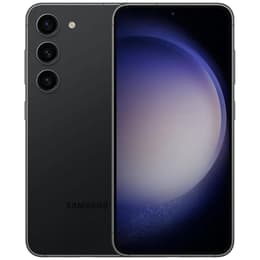
Galaxy S23 Vs iPhone Air
- 1-year minimum warranty
- Free delivery on all orders
- Free 30-day returns
Differences at a glance
The Samsung Galaxy S23 (2023) and the Apple iPhone Air (2025) represent two distinct approaches to modern smartphone engineering, balancing compact flagship utility with ultra-slim design philosophy. While the Galaxy S23 runs on Android and offers a traditional, pocket-friendly form factor, the iPhone Air introduces iOS 26 within an exceptionally thin titanium body. These devices differ fundamentally in their release timeline, operating systems, and physical dimensions, catering to diverse user preferences.
Available Models
Colour
Storage
Scores
Durability
Device longevity depends on release age, software update schedules, and physical build resilience under daily wear.
- Release timeline and software support: The Galaxy S23 launched in early 2023, while the iPhone Air arrived in late 2025, giving the Apple model a newer baseline for multi-year operating system updates and security patches.
Build resilience and repairability: Both handsets feature robust water resistance ratings and reinforced glass components, though their structural profiles require standard care to maintain long-term reliability.
Expected practical lifespan: Users can anticipate several years of dependable daily operation from either model, with the newer release timeline of the Apple device offering extended software relevance.
Year of Release
2023
2025
Compatible with latest Update
Yes
Yes
OS
Android
iOS
Foldable
No
No
Performance
System capabilities and power efficiency dictate how smoothly each device handles everyday applications, multitasking, and sustained workloads.
- Storage and memory handling: The Galaxy S23 offers standard configurations with efficient multitasking RAM, whereas the iPhone Air provides higher baseline storage tiers paired with expansive memory bandwidth for demanding background tasks.
Processor responsiveness: Both smartphones handle routine web browsing, social media feeds, and rapid app switching fluidly without noticeable stutter.
Battery behavior: The Galaxy S23 relies on a moderately sized battery suited for a compact footprint, while the iPhone Air balances its ultra-thin chassis with energy-efficient processing to manage typical daily use.
Screen quality
Display characteristics significantly impact visual clarity, outdoor visibility, and media consumption comfort.
- Display technology and resolution: The Galaxy S23 features a vibrant dynamic AMOLED panel, while the iPhone Air utilizes an expansive Super Retina XDR OLED screen with sharp pixel density.
Brightness and outdoor use: The iPhone Air reaches a higher peak outdoor brightness level for clear visibility under direct sunlight, while the Galaxy S23 adapts effectively to changing ambient lighting conditions.
Refresh rate and smoothness: Both models support adaptive refresh rates up to 120Hz, ensuring fluid scrolling animations and responsive touch interactions.
Resolution
1080 x 2340
2736x1260
Screen type
Dynamic AMOLED 2X
Super Retina XDR
Audiovisual
Optics and audio reproduction shape multimedia creation and consumption experiences.
- Camera system versatility: The Galaxy S23 features a triple-lens rear setup including a telephoto zoom option, whereas the iPhone Air utilizes a streamlined single high-resolution main camera system.
Low-light and video performance: Both devices capture detailed images in challenging lighting conditions and support stable, high-definition video recording for everyday memories.
Audio output: Integrated speaker setups deliver clear sound for hands-free calls and casual media playback.
Main camera
50 megapixels
48 megapixels
Front camera
12 megapixels
18 megapixels
Miscellaneous
Physical dimensions and connectivity standards determine everyday usability, handling comfort, and network compatibility.
- Dimensions and handling: The Galaxy S23 provides a traditional, highly compact grip, while the iPhone Air prioritizes an ultra-slim profile and exceptionally light weight.
Connectivity options: Both smartphones incorporate modern 5G cellular capabilities, advanced Wi-Fi standards, and Bluetooth for reliable wireless accessory pairing.
Port and security features: The Galaxy S23 utilizes a USB-C port and an in-display fingerprint sensor, whereas the iPhone Air features a USB-C connection alongside facial recognition technology.
Weight
167 g
165 g
Screen size (in)
6.1
6.5
Network
5G
5G
SIM card
Physical SIM + eSIM
eSIM
Carrier compatibility
Unlocked
Unlocked
What the community thinks
User feedback highlights distinct preferences for each device across community forums. Galaxy S23 users frequently praise its genuinely compact size, versatile triple-lens camera, and comfortable one-handed usability. On the other hand, iPhone Air users often emphasize the appeal of its remarkably thin design, large immersive display, and smooth iOS integration. Common discussions for the Galaxy S23 center on desires for longer battery endurance, while iPhone Air evaluations sometimes note the absence of a physical telephoto lens.
Users prioritizing a traditional pocket-friendly size and optical zoom flexibility may prefer the Galaxy S23, while users prioritizing an expansive screen within an ultra-slim chassis will lean toward the iPhone Air. Choosing a quality-assured refurbished option from Back Market provides a sustainable, eco-friendly alternative for acquiring either model while reducing electronic waste. Ultimately, the right choice depends on whether daily routines benefit more from a multi-lens camera layout or an exceptionally lightweight, modern profile.









