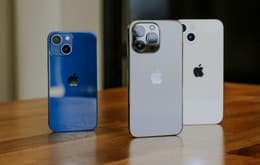

iPhone 12 Vs iPhone 13 Pro

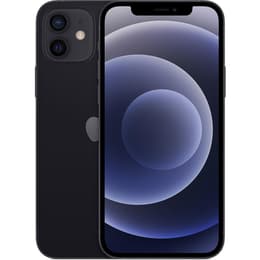
iPhone 12
iPhone 12
Starting at

Refurbished price:174.00

Versus €829.00 new

See options
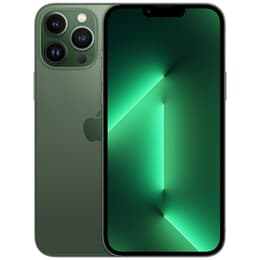
iPhone 13 Pro
iPhone 13 Pro
Starting at

Refurbished price:313.00

Versus €1,149.00 new

See options

Ratings

The iPhone 12, released in October 2020, and the iPhone 13 Pro, launched in September 2021, represent different tiers within Apple's smartphone offerings. While both devices operate on the same iOS platform and share a similar design language, the iPhone 13 Pro introduces several enhancements, particularly in display technology, camera capabilities, and overall performance. These distinctions cater to varying user priorities, from everyday functionality to more demanding professional use cases.

Scores

Durability

When considering the practical lifespan of these devices, several factors come into play, including their release timelines, software support, and physical construction.

  • Release Timeline: The iPhone 12 was released in October 2020, while the iPhone 13 Pro followed in September 2021. This one-year difference means the iPhone 13 Pro will generally receive major iOS updates for a longer period.
  • Software Longevity: Apple typically provides major iOS updates for approximately five to seven years from a device's release. The iPhone 12 is expected to receive full iOS updates through at least 2027, with security updates potentially extending beyond that. The iPhone 13 Pro, being a year newer, is anticipated to receive major iOS updates until at least 2027, possibly extending to 2028 or beyond, offering a slightly longer period of new features and performance tweaks.
  • Build Resilience: Both models feature a Ceramic Shield front cover, designed for enhanced drop performance, and are rated for IP68 water and dust resistance. However, the iPhone 13 Pro utilizes a stainless steel frame, which offers greater resistance to dents and scratches compared to the iPhone 12's aerospace-grade aluminum frame. Drop tests suggest that overall durability between the iPhone 12 and iPhone 13 Pro is comparable, though the 13 Pro's stainless steel frame may offer a marginal advantage in certain impact scenarios.

Year of Release

2020

2021

Compatible with latest Update

Yes

Yes

OS

iOS

iOS

Foldable

No

No

Performance

Both smartphones deliver robust performance for daily tasks, but the iPhone 13 Pro offers a more responsive experience, especially during intensive multitasking and demanding applications.

  • System Responsiveness: The iPhone 13 Pro features a newer, more efficient processor and includes 6GB of RAM, compared to the iPhone 12's 4GB. This allows the iPhone 13 Pro to handle demanding apps, complex games, and extensive multitasking with greater fluidity and faster app loading times.
  • Battery Behavior: The iPhone 13 Pro offers notably longer battery life than the iPhone 12, with Apple reporting up to 22 hours of video playback compared to 17 hours on the iPhone 12. This improvement is attributed to a larger battery capacity and more efficient internal components, meaning the iPhone 13 Pro can comfortably last a full day for heavy users, often extending into the next day.
  • Storage Options: The iPhone 12 is available with storage capacities of 64GB, 128GB, and 256GB. The iPhone 13 Pro offers more expansive options, starting at 128GB and extending to 256GB, 512GB, and an all-new 1TB configuration, catering to users with significant storage needs for photos, videos, and applications.

Memory (GB)

4 GB

6 GB

Screen quality

Both devices feature high-quality displays, but the iPhone 13 Pro introduces a key advancement that enhances the visual experience.

  • Display Technology and Clarity: Both the iPhone 12 and iPhone 13 Pro are equipped with a 6.1-inch Super Retina XDR (OLED) display, offering deep blacks, vibrant colors, and a sharp resolution of 2532 x 1170 pixels at 460 pixels per inch. The iPhone 13 Pro features a slightly smaller notch, providing a marginally more immersive viewing area.
  • Brightness Levels: While both support HDR content with a peak brightness of 1200 nits, the iPhone 13 Pro offers a higher typical maximum brightness of 1000 nits, compared to the iPhone 12's 625 nits. This difference makes the iPhone 13 Pro's screen more visible and easier to read in bright outdoor conditions.
  • Refresh Rate and Smoothness: A significant differentiator is the iPhone 13 Pro's ProMotion technology, which provides an adaptive refresh rate ranging from 10Hz to 120Hz. This results in noticeably smoother scrolling, more fluid animations, and a more responsive touch experience, particularly beneficial for gaming and fast-paced content. The iPhone 12 maintains a standard 60Hz refresh rate.

Resolution

1170 x 2532

1170 x 2532

Screen type

Super Retina XDR OLED

Super Retina XDR OLED

Audiovisual

The camera systems on both iPhones deliver excellent results, but the iPhone 13 Pro offers a more versatile and advanced setup for photography and videography enthusiasts.

  • Camera System Capabilities: The iPhone 12 features a dual 12MP camera system with wide and ultra-wide lenses. The iPhone 13 Pro elevates this with a triple 12MP camera system, adding a telephoto lens for optical zoom. The 13 Pro's main wide camera also features a larger sensor and a wider aperture, improving light capture.
  • Photography Performance: The iPhone 13 Pro offers enhanced low-light performance across all its lenses due to larger sensors and wider apertures. It also introduces features like macro photography for close-up shots and Photographic Styles for personalized image looks. While the iPhone 12's camera is capable, the 13 Pro provides more detail and better dynamic range, especially in challenging lighting.
  • Video Recording Quality: Both phones support 4K video recording at up to 60 frames per second. However, the iPhone 13 Pro introduces Cinematic Mode, which adds a shallow depth of field effect to videos with automatic focus transitions, and supports ProRes video recording for professional-grade video workflows.

Main camera

12 megapixels

12 megapixels

Front camera

12 megapixels

12 megapixels

Miscellaneous

Beyond core performance and display, several practical elements differentiate these two iPhone models, impacting daily usability and connectivity.

  • Connectivity Options: Both the iPhone 12 and iPhone 13 Pro support 5G cellular connectivity, Wi-Fi 6 (802.11ax), and Bluetooth 5.0, ensuring fast and reliable wireless communication. The iPhone 13 Pro may offer slightly more efficient 5G usage.
  • Physical Design and Handling: Both devices share a similar flat-edged design and overall dimensions. However, the iPhone 13 Pro is noticeably heavier at 204 grams compared to the iPhone 12's 164 grams, primarily due to its larger battery and stainless steel frame. This weight difference can affect in-hand feel, with the 13 Pro feeling more substantial.
  • Charging and Ports: Both models utilize the Lightning port for charging and data transfer and support MagSafe wireless charging. Neither device includes a traditional 3.5mm headphone jack.

Weight

164 g

203 g

Width

7.15 cm

7,15 cm

Height

14.67 cm

14,67 cm

Depth

0.74 cm

0,76 cm

Screen size (in)

6.1

6.1

Network

5G

5G

SIM card

Physical SIM + eSIM

Physical SIM + eSIM

Carrier compatibility

Unlocked

Unlocked

Connector

Lightning

Lightning

The iPhone 12 and iPhone 13 Pro, while sharing a common operating system and design philosophy, cater to distinct user needs through their hardware capabilities. User sentiment often praises the iPhone 13 Pro for its significant battery life improvements and advanced camera system. Many users report that the 13 Pro's battery comfortably lasts through a full day of heavy use, a notable upgrade over its predecessor. The ProMotion display is also frequently highlighted for providing a smoother and more premium visual experience.

Conversely, some users find the iPhone 13 Pro's increased weight and thicker profile less comfortable to handle compared to the lighter iPhone 12. Criticisms for both models sometimes include the continued use of the Lightning port and the presence of a display notch, though the 13 Pro's notch is slightly smaller.

Users prioritizing extended battery life, a smoother display experience, and advanced photography and videography features, including optical zoom and Cinematic Mode, will find the iPhone 13 Pro well-suited to their needs. Its more robust build materials also offer a slight edge in durability. On the other hand, users seeking a lighter device with strong everyday performance and a capable camera system, without the need for the Pro-level enhancements, may prefer the iPhone 12. Both devices continue to offer a reliable and secure experience with ongoing software support.

For those evaluating these models, considering a quality-assured refurbished option can be an eco-friendly alternative, providing access to these advanced features while extending the lifecycle of electronic products.


See all articles

Our recent comparisons