

Galaxy Z Fold4 Vs iPhone SE (2020)

Galaxy Z Fold4
Galaxy Z Fold4
Starting at

Refurbished price:433.00

Versus €1,889.00 new

See options
iPhone SE (2020)
iPhone SE (2020)
Starting at

Refurbished price:102.00

Versus €319.00 new

See options

Ratings

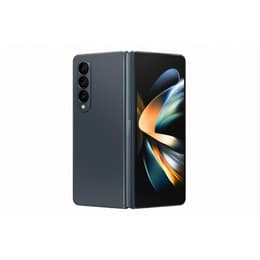
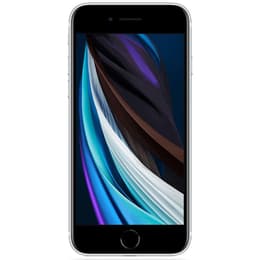
The Samsung Galaxy Z Fold4, released in August 2022, and the Apple iPhone SE 2020, launched in April 2020, represent distinct approaches to smartphone design and functionality. While the Galaxy Z Fold4 offers an innovative foldable form factor with a large, expansive display, the iPhone SE 2020 provides a compact, traditional smartphone experience. These devices operate on different ecosystems, with the Z Fold4 running Android and the iPhone SE 2020 running iOS, influencing their user interfaces and app availability.

Scores

Durability

The longevity of a smartphone is influenced by its release timeline, software support, and physical resilience.

  • Release Timeline and Software Support: The Galaxy Z Fold4, released in August 2022, benefits from a more recent launch, promising four major Android OS updates and five years of security updates, extending its support until around 2027. The iPhone SE 2020, released in April 2020, has received consistent iOS updates, with its operating system currently at iOS 26.4 as of March 2026, demonstrating Apple's commitment to long-term software support for its devices.
  • Repairability: The iPhone SE 2020 received a repairability score of 6 out of 10 from iFixit, indicating that common repairs like screen and battery replacements are relatively straightforward, though its glass back can be challenging to replace. The Galaxy Z Fold4, with its complex foldable design, generally presents a more intricate repair process due to its multiple displays and hinge mechanism.
  • Expected Practical Lifespan: Users can expect both devices to remain functional and receive essential updates for several years. The Z Fold4's newer release and extended update policy suggest a slightly longer period of official software support, while the iPhone SE 2020's robust software ecosystem ensures continued usability for its age.

Year of Release

2022

2020

Compatible with latest Update

Yes

Yes

OS

Android

iOS

Foldable

Yes

No

Performance

Performance in a smartphone dictates how smoothly applications run, how quickly tasks are completed, and the overall responsiveness of the device.

  • Processor Capabilities: The Galaxy Z Fold4 is equipped with a powerful, current-generation processor designed to handle demanding applications, intensive multitasking, and advanced gaming with ease. The iPhone SE 2020 features a powerful processor for its release year, providing smooth performance for everyday tasks, app navigation, and many popular games.
  • Multitasking and Responsiveness: With 12 GB of RAM, the Galaxy Z Fold4 is well-suited for extensive multitasking, allowing users to run numerous applications simultaneously and switch between them without noticeable slowdowns. The iPhone SE 2020, with 3 GB of RAM, offers responsive performance for typical smartphone usage, though it may show limitations when handling a very high number of active applications concurrently.
  • Storage and Battery Behavior: Both devices offer various internal storage options, with the Z Fold4 providing up to 1 TB and the iPhone SE 2020 up to 256 GB, neither supporting expandable storage. The Galaxy Z Fold4 features a 4400 mAh battery, designed to power its large, high-refresh-rate displays, while the iPhone SE 2020 has an 1821 mAh battery, which typically provides sufficient power for a full day of moderate use given its smaller screen and efficient software.

Memory (GB)

12 GB

3 GB

Screen quality

The display is a primary interface for user interaction, and its quality significantly impacts the viewing experience.

  • Display Technology and Size: The Galaxy Z Fold4 features two Dynamic AMOLED 2X displays: a 7.6-inch foldable inner screen and a 6.2-inch cover screen. These OLED panels offer deep blacks, high contrast, and vibrant colors. The iPhone SE 2020 has a 4.7-inch Retina HD IPS LCD display, providing accurate colors and good viewing angles, though it does not achieve the same contrast levels as OLED technology.
  • Resolution and Clarity: The Z Fold4's main display boasts a resolution of 2176 x 1812 pixels, resulting in a sharp viewing experience, while its cover display has a resolution of 2316 x 904 pixels. The iPhone SE 2020 offers a resolution of 1334 x 750 pixels, which provides clear visuals on its smaller screen size.
  • Brightness and Refresh Rate: Both displays on the Galaxy Z Fold4 support an adaptive 120Hz refresh rate, contributing to smoother scrolling and more fluid animations, with the main display reaching a peak brightness of 1200 nits for excellent outdoor visibility. The iPhone SE 2020 has a standard 60Hz refresh rate and a typical maximum brightness of 625 nits, which is generally sufficient for most indoor and outdoor conditions.

Resolution

1812 x 2176

750 x 1334

Screen type

Foldable Dynamic AMOLED 2X

Retina IPS LCD

Audiovisual

Camera capabilities are a significant factor for many users, influencing how they capture and share moments.

  • Camera System Versatility: The Galaxy Z Fold4 features a versatile triple-camera system on the rear, including a 50 MP wide-angle lens, a 12 MP ultrawide lens, and a 10 MP telephoto lens with 3x optical zoom, offering a range of photographic options. The iPhone SE 2020 is equipped with a single 12 MP wide-angle rear camera, which is known for its consistent image quality and optical image stabilization.
  • Photography Performance: The Z Fold4's camera system provides flexibility for various scenarios, including improved low-light performance and detailed shots across different focal lengths. For selfies and video calls, it has a 10 MP camera on the cover screen and a 4 MP under-display camera on the main screen. The iPhone SE 2020's single camera excels in everyday photography with good color accuracy and detail, and it includes a 7 MP front-facing camera for selfies.
  • Video Recording Quality: Both devices are capable of recording high-quality video. The Galaxy Z Fold4 supports 4K video recording at up to 60 frames per second, along with slow-motion capabilities. The iPhone SE 2020 also offers 4K video recording at various frame rates, including 60 frames per second, and features cinematic video stabilization.

Main camera

50 megapixels

12 megapixels

Front camera

4 megapixels

7 megapixels

Miscellaneous

Beyond core features, several practical elements contribute to the overall user experience and device utility.

  • Connectivity and Ports: The Galaxy Z Fold4 supports 5G connectivity and Wi-Fi 6E, offering fast wireless speeds, and features a USB-C 3.2 port for charging and data transfer. The iPhone SE 2020 supports LTE and Wi-Fi 6, providing reliable wireless performance, and uses Apple's proprietary Lightning port. Neither device includes a traditional 3.5mm headphone jack.
  • Sensors and Biometrics: The Z Fold4 incorporates a side-mounted fingerprint sensor for secure unlocking and authentication. The iPhone SE 2020 utilizes a front-mounted Touch ID fingerprint sensor integrated into its home button. Both devices include a standard suite of sensors such as accelerometers, gyroscopes, and barometers.
  • Physical Design and Durability: The Galaxy Z Fold4 has a unique foldable design, weighing 263 grams, and is constructed with an Armor Aluminum frame and Gorilla Glass Victus+ on its cover screen and rear, offering IPX8 water resistance. The iPhone SE 2020 is a more compact device, weighing 148 grams, with a glass front and back and an aluminum frame, featuring IP67 dust and water resistance.

Weight

263 g

148 g

Screen size (in)

7.6

4.7

Network

5G

4G

SIM card

Dual Physical SIM + eSIM

Physical SIM + eSIM

Carrier compatibility

Unlocked

Unlocked

The Galaxy Z Fold4 and iPhone SE 2020 cater to different user preferences, each excelling in distinct areas. Users often praise the Galaxy Z Fold4 for its innovative foldable display, which offers an expansive screen for productivity and media consumption, effectively combining a smartphone and a small tablet experience. Its powerful performance and versatile camera system are also frequently highlighted. Common criticisms sometimes revolve around its bulk when folded and the visible crease on the main display.

Conversely, the iPhone SE 2020 is often lauded for its compact form factor, powerful processor for its size, and the familiarity of its design, including the physical home button with Touch ID. Its long-term software support is also a significant advantage. User feedback sometimes points to its dated design with larger bezels, the LCD display lacking the contrast of OLED, and its smaller battery capacity compared to more modern devices.

Users prioritizing a large, adaptable screen for multitasking, content creation, or immersive media viewing may find the Galaxy Z Fold4 better suited to their needs. Its advanced camera system and cutting-edge design appeal to those seeking a premium, feature-rich device. On the other hand, users who value a compact, easy-to-handle smartphone for everyday communication, consistent performance, and a familiar operating system may lean toward the iPhone SE 2020. It remains a practical choice for those who prefer a traditional smartphone experience without the complexities of a foldable device.

For those considering either of these devices, exploring quality-assured refurbished options can provide an eco-friendly alternative, extending the lifespan of these technologies.


See all articles

Our recent comparisons