

Galaxy S20 Vs Galaxy Z Flip4

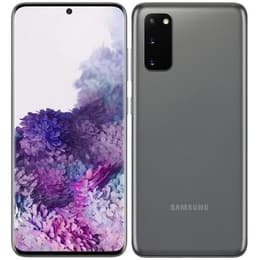
Galaxy S20
Galaxy S20
Starting at

Refurbished price:196.00

Versus €879.00 new

See options
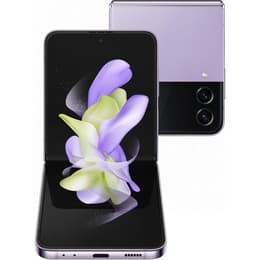
Galaxy Z Flip4
Galaxy Z Flip4
Starting at

Refurbished price:288.00

Versus €1,289.99 new

See options

Ratings

The Samsung Galaxy S20, released in March 2020, represents a traditional flagship smartphone experience, offering a high-resolution display and a versatile camera system. In contrast, the Samsung Galaxy Z Flip4, launched in August 2022, introduces a unique foldable design, prioritizing portability and a distinct user interaction. Both devices operate on the Android platform, but they cater to different user preferences through their form factors and feature sets.

Scores

Durability

The longevity of a smartphone is influenced by its physical resilience and ongoing software support. These two devices offer different profiles in this regard.

  • Software Support: The Galaxy S20 launched with Android 10 and received major OS updates up to Android 13, along with security updates for a considerable period. The Galaxy Z Flip4, released later with Android 12, is eligible for four major Android OS updates and five years of security updates, extending its support until approximately 2027. This means the Z Flip4 offers a longer period of guaranteed software and security updates.
  • Physical Durability: The Galaxy S20 features Gorilla Glass 6 on its display and back, coupled with an IP68 rating for water and dust resistance, providing robust protection against environmental elements. The Galaxy Z Flip4 incorporates newer Gorilla Glass Victus+ on its cover screen and back, an Armor Aluminum frame, and an IPX8 water resistance rating, meaning it can withstand submersion in water. However, its foldable main screen, while featuring Ultra Thin Glass, is inherently different from a traditional slab phone display and lacks official dust resistance.
  • Expected Lifespan: While both devices are built with quality materials, the Z Flip4's newer components and extended software support suggest a slightly longer practical lifespan for receiving the latest features and security patches. The unique folding mechanism of the Z Flip4 introduces a different set of considerations for long-term mechanical durability compared to the rigid design of the S20.

Year of Release

2020

2022

Compatible with latest Update

No

Yes

OS

Android

Android

Foldable

No

Yes

Performance

Performance is a key aspect for daily smartphone use, impacting everything from app responsiveness to gaming. The two devices feature different internal components that influence their capabilities.

  • Processing Power: The Galaxy S20 is equipped with a capable processor from its generation, allowing for smooth navigation, efficient multitasking, and handling of most demanding applications and games. The Galaxy Z Flip4, being a newer device, features a more advanced processor that delivers a noticeable boost in overall speed and efficiency. This translates to faster app loading times, more fluid transitions, and enhanced performance in graphically intensive games and complex tasks.
  • Multitasking and Storage: Both devices come with 8GB of RAM, which is sufficient for managing multiple applications simultaneously without significant slowdowns. The Galaxy S20 typically offers 128GB of internal storage, with some variants supporting microSD card expansion. The Galaxy Z Flip4 provides more flexible storage options, available in 128GB, 256GB, and 512GB configurations, though it does not include a microSD card slot.
  • Battery Behavior: The Galaxy S20 houses a 4000 mAh battery, which provides a full day of moderate use, though heavy usage, especially with the 120Hz refresh rate enabled, can lead to more frequent charging. The Galaxy Z Flip4 has a 3700 mAh battery, which, despite being smaller, benefits from a more power-efficient processor and software optimizations, often resulting in comparable or improved real-world battery endurance compared to its predecessor, the Z Flip3.

Memory (GB)

8 GB

8 GB

Screen quality

The display is the primary interface for smartphone interaction, and these two models offer distinct visual experiences.

  • Display Technology and Resolution: Both the Galaxy S20 and Galaxy Z Flip4 feature Dynamic AMOLED 2X displays, known for vibrant colors and deep blacks. The Galaxy S20 boasts a 6.2-inch display with a higher resolution of 3200 x 1440 pixels (QHD+), resulting in a sharper image. The Galaxy Z Flip4's main foldable screen measures 6.7 inches with a resolution of 2640 x 1080 pixels (FHD+).
  • Refresh Rate and Smoothness: Both devices offer a 120Hz refresh rate, providing a smooth scrolling experience and fluid animations. The Z Flip4's refresh rate can dynamically adjust down to 1Hz, which contributes to power efficiency.
  • Brightness and Outdoor Visibility: Both displays offer good brightness levels, ensuring content remains visible even in bright outdoor conditions. The Z Flip4's screen includes a super-bright daylight mode to enhance outdoor usability.
  • Unique Form Factor: The Galaxy Z Flip4's main screen is foldable, allowing the device to be compact when closed. It also features a 1.9-inch Super AMOLED cover screen that displays notifications, time, and allows for quick interactions without opening the phone. While the crease on the foldable screen is visible, it is generally less noticeable when viewed directly.

Resolution

1440 x 3200

1080 x 2640

Screen type

Dynamic AMOLED 2X

Foldable Dynamic AMOLED 2X

Audiovisual

Camera capabilities are a significant factor for many users, and both the Galaxy S20 and Galaxy Z Flip4 offer distinct photographic tools.

  • Rear Camera Systems: The Galaxy S20 features a triple-camera setup, including a 12MP main sensor, a 64MP telephoto lens with 3x hybrid optical zoom and up to 30x digital zoom, and a 12MP ultrawide lens. This configuration provides versatility for various shooting scenarios, including distant subjects. The Galaxy Z Flip4 has a dual-camera system, comprising a 12MP main sensor with a larger pixel size for improved light capture and a 12MP ultrawide lens. It does not include a dedicated telephoto lens.
  • Low-Light and Everyday Photography: The S20's main camera performs well in various lighting conditions, and its larger sensor contributes to better low-light performance compared to its predecessors. The Z Flip4's main camera, with its enhanced sensor, shows notable improvements in low-light photography and night mode processing, often capturing brighter and more detailed images in challenging conditions.
  • Video Recording and Features: The Galaxy S20 is capable of recording 8K video at 24fps, along with advanced stabilization features. Both phones offer good video recording quality for everyday use. The Z Flip4's foldable design enables unique shooting angles, referred to as 'FlexCam,' allowing for hands-free photography and video calls.
  • Front Camera and Selfies: Both devices feature a 10MP front-facing camera for selfies and video calls. The Z Flip4 offers the added advantage of using its higher-quality rear cameras for selfies by utilizing the cover screen as a viewfinder.

Main camera

12 megapixels

12 megapixels

Front camera

10 megapixels

10 megapixels

Miscellaneous

Beyond core features, several practical elements contribute to the overall user experience and daily convenience of these smartphones.

  • Connectivity: Both the Galaxy S20 and Galaxy Z Flip4 support 5G connectivity, enabling faster mobile data speeds where available. They also include modern Wi-Fi standards (Wi-Fi 6 for both) and Bluetooth for wireless accessories.
  • Ports and Biometrics: Both devices utilize a USB-C port for charging and data transfer. The Galaxy S20 features an in-display ultrasonic fingerprint sensor, while the Galaxy Z Flip4 integrates its fingerprint sensor into the side power button. The S20 includes a microSD card slot for expandable storage, a feature absent on the Z Flip4. Neither device includes a traditional 3.5mm headphone jack.
  • Design and Handling: The Galaxy S20 is a traditional slab smartphone, weighing approximately 163 grams and measuring 151.7 x 69.1 x 7.9 mm. The Galaxy Z Flip4, with its foldable design, is more compact when folded (84.9 x 71.9 x 15.9-17.1 mm) and weighs 187 grams. When unfolded, it measures 165.2 x 71.9 x 6.9 mm, offering a larger screen in a thinner profile than the S20. Its compact folded form factor makes it highly pocketable.
  • Additional Features: The Z Flip4's cover screen provides quick access to notifications, widgets, and camera controls, enhancing its unique usability. The S20 offers Wireless PowerShare, allowing it to wirelessly charge other compatible devices.

Weight

163 g

187 g

Screen size (in)

6.2

6.7

Network

4G

5G

SIM card

Dual Physical SIM

Physical SIM + eSIM

Carrier compatibility

Unlocked

Unlocked

The Samsung Galaxy S20 and Galaxy Z Flip4 offer distinct smartphone experiences, each with its own set of strengths and considerations based on user priorities.

The Galaxy S20 is often praised for its comprehensive camera system, particularly its dedicated telephoto lens and 8K video capabilities, which were advanced for its release. Users also appreciate its high-resolution display, offering a sharp and immersive viewing experience. Some common criticisms, especially in the current landscape, might revolve around its older processor and potentially shorter software support compared to newer models, as well as battery performance when pushing its high refresh rate.

The Galaxy Z Flip4 garners positive feedback for its innovative foldable design, which provides a compact form factor without sacrificing screen size when unfolded. Its improved battery life over its predecessor and enhanced low-light camera performance are also frequently highlighted. The functionality of its cover screen for quick interactions is a notable convenience. However, users sometimes point out the visible screen crease, the absence of a telephoto camera, and the lack of dust resistance as areas for improvement.

Users prioritizing a traditional, high-performance smartphone with a versatile camera system, including optical zoom capabilities, may find the Galaxy S20 well-suited to their needs. Its robust display and established form factor offer a familiar and reliable experience. Conversely, individuals seeking a compact, stylish device that offers unique interaction possibilities and a longer software support window will likely lean towards the Galaxy Z Flip4. Its foldable nature and enhanced low-light photography make it an appealing choice for those who value portability and a distinct aesthetic.

For those considering either device, exploring quality-assured refurbished options can provide an eco-friendly alternative, extending the life cycle of these technologies and offering a sustainable choice.


See all articles

Our recent comparisons