

Galaxy S22 Ultra 5G Vs iPhone 16e

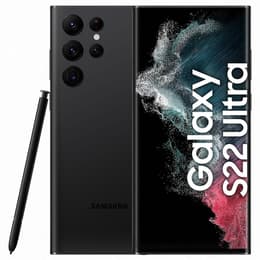
Galaxy S22 Ultra 5G
Galaxy S22 Ultra 5G
Starting at

Refurbished price:350.00

Versus €1,445.00 new

See options
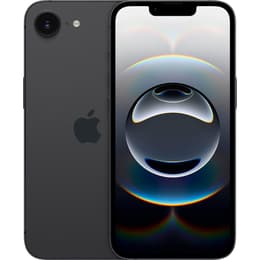
iPhone 16e
iPhone 16e
Starting at

Refurbished price:387.00

Versus €719.00 new

See options

Ratings

The Samsung Galaxy S22 Ultra 5G, released in February 2022, and the iPhone 16E, introduced in February 2025, represent distinct approaches to smartphone design and functionality. While both are high-performance devices, the Galaxy S22 Ultra emphasizes a large display with integrated stylus capabilities and a versatile camera system, whereas the iPhone 16E focuses on a streamlined user experience, robust performance, and extended software longevity within Apple's ecosystem. Both devices operate on their respective advanced mobile operating systems, Android and iOS.

Scores

Durability

When considering the practical lifespan of these devices, several factors come into play, including their release timelines, software support, and repairability.

  • Release Timeline and Software Support: The Galaxy S22 Ultra, launched in February 2022, typically receives four major Android OS updates and five years of security updates, with its last major OS update expected to be Android 16 and security updates continuing until early 2027. [24, 25, 31, 36] The iPhone 16E, released in February 2025, benefits from Apple's longer software support, generally receiving 5-7 years of major iOS updates and extended security patches, potentially extending its software viability until around 2032-2033. [1, 2, 4, 8]
  • Repairability: The Galaxy S22 Ultra received a low repairability score of 3 out of 10 from iFixit, primarily due to the extensive use of strong adhesive, making battery and screen replacements challenging. [17, 18, 22, 26, 28] In contrast, the iPhone 16E has a higher iFixit repairability score of 7 out of 10, indicating a more modular design that facilitates easier repairs for components like the screen and battery. [10, 13, 20]
  • Expected Practical Lifespan: Users prioritizing the latest software features and security updates for the longest possible duration may find the iPhone 16E offers a more extended period of official support. However, both devices are built with durable materials and are designed for sustained use, with the choice often coming down to preference for operating system longevity and ease of potential repairs.

Year of Release

2022

2025

OS

Android

iOS

Foldable

No

No

Performance

The performance of a smartphone is crucial for daily tasks, from navigating applications to demanding multimedia use. Both the Galaxy S22 Ultra and the iPhone 16E offer capable performance, though they achieve it through different hardware and software optimizations.

  • Processing Power: The Galaxy S22 Ultra is equipped with a powerful current-generation processor that handles multitasking and graphically intensive applications smoothly. [15, 19, 23, 33] Users generally experience responsive operation, though some reports indicate the device can generate heat during prolonged heavy use, such as extended gaming sessions or 4K video recording. [33, 37] The iPhone 16E features Apple's A18 chip, which is designed for efficient and robust performance, capable of managing complex applications and supporting advanced features like Apple Intelligence. [5, 11, 12] This processor ensures a fluid user experience and strong performance across various tasks.
  • Storage and Multitasking: The Galaxy S22 Ultra offers a range of storage options up to 1TB and comes with ample RAM (8GB or 12GB) to support extensive multitasking without slowdowns. [15, 19, 23] The iPhone 16E is available with up to 512GB of storage and 8GB of RAM, providing sufficient capacity for most users' applications and media, and enabling smooth transitions between multiple open applications. [5, 12]
  • Battery Behavior: The Galaxy S22 Ultra houses a 5000 mAh battery, which typically provides a full day of use for most users, though heavy usage may necessitate more frequent charging. [19, 23, 31, 33, 37] The iPhone 16E is noted for its excellent battery life, with users reporting it can often last beyond a full day of typical use, and Apple claims up to 26 hours of video playback. [3, 12, 27, 29, 30, 39] This efficiency is partly attributed to its optimized processor and software.

Memory (GB)

8 GB

8 GB

Screen quality

The display is a primary interface for smartphone interaction, and both devices offer high-quality viewing experiences with distinct characteristics.

  • Display Technology and Resolution: The Galaxy S22 Ultra features a large 6.8-inch Dynamic AMOLED 2X display with a QHD+ resolution of 3088 x 1440 pixels, resulting in sharp and detailed visuals. [7, 15, 19] The iPhone 16E comes with a 6.1-inch Super Retina XDR OLED display, offering a resolution of 2532 x 1170 pixels at 460 pixels per inch, providing clear and vibrant imagery. [3, 6, 11, 12]
  • Brightness and Color: Both phones deliver excellent brightness and color reproduction. The Galaxy S22 Ultra can reach a peak brightness of up to 1750 nits, making it highly visible even in bright outdoor conditions. [7, 15, 35] The iPhone 16E offers 800 nits typical maximum brightness and up to 1200 nits peak brightness for HDR content, ensuring good visibility and dynamic range for media consumption. [3, 6, 11] Both displays support HDR and wide color (P3) for accurate and rich visuals.
  • Refresh Rate and Viewing Experience: The Galaxy S22 Ultra boasts an adaptive 120Hz refresh rate, which contributes to smoother scrolling and more fluid animations. [7, 15] The iPhone 16E features a standard refresh rate, which provides a consistent and responsive experience for everyday interactions. The larger screen of the S22 Ultra, combined with its integrated S Pen, offers an expansive canvas for productivity and media, while the iPhone 16E's display provides a compact yet immersive viewing experience.

Resolution

1440 x 3088

2532x1170

Audiovisual

Both the Galaxy S22 Ultra and the iPhone 16E are equipped with advanced camera systems designed to capture high-quality photos and videos, though they differ in their configurations and specialized features.

  • Rear Camera Systems: The Galaxy S22 Ultra features a versatile quad-camera setup, including a 108MP main sensor, a 12MP ultrawide lens, a 10MP telephoto lens with 3x optical zoom, and another 10MP telephoto lens with an impressive 10x optical zoom. [7, 15, 19, 23] This configuration allows for exceptional flexibility, particularly in zoom photography, and delivers detailed images with vibrant colors. [31, 33] The iPhone 16E utilizes a 2-in-1 camera system with a 48MP Fusion main sensor that also enables a 12MP 2x telephoto capability, alongside a 12MP TrueDepth front camera. [3, 6, 12] This system is designed for strong everyday photography, producing clear and well-processed images.
  • Low-Light and Video Performance: The Galaxy S22 Ultra offers good low-light performance, capturing detailed images even in challenging conditions, and supports video recording up to 8K resolution. [15, 31, 37] The iPhone 16E also performs well in low-light scenarios, though some users note it may not match the flagship iPhone models in extreme darkness. [29, 30, 39] It excels in video recording, offering high-quality 4K video with features like Cinematic video stabilization. [3, 6, 27]
  • Microphone and Speaker Quality: Both devices provide clear microphone quality for calls and recordings. The Galaxy S22 Ultra delivers a robust audio experience through its speakers, suitable for media consumption. The iPhone 16E also offers good speaker output, contributing to an immersive audio-visual experience for users.

Front camera

40 megapixels

TrueDepth 12MP

Miscellaneous

Beyond core performance and display, several practical features and design elements differentiate these two smartphones.

  • Connectivity and Ports: Both devices support 5G connectivity for fast mobile data speeds. The Galaxy S22 Ultra includes Wi-Fi 6E and Bluetooth 5.2, along with a USB-C 3.2 port for data transfer and charging. [15, 37] The iPhone 16E supports Wi-Fi 6 and Bluetooth 5.3, and notably features a USB-C port, aligning with modern connectivity standards. [12]
  • Sensors and Biometrics: The Galaxy S22 Ultra incorporates an ultrasonic in-display fingerprint sensor for secure unlocking, alongside face recognition. [37] The iPhone 16E relies on Face ID for secure authentication, utilizing its TrueDepth camera system. [12] Both offer reliable and convenient biometric security.
  • Design and Handling: The Galaxy S22 Ultra is a larger and heavier device, measuring 163.3 x 77.9 x 8.9 mm and weighing 228g, with a design that incorporates a built-in S Pen. [15, 31] It features Gorilla Glass Victus+ on the front and back, and an Armor Aluminum frame, providing a premium and durable build. [15] The iPhone 16E, with its 6.1-inch display, is a more compact and lighter option, featuring a Ceramic Shield front cover, glass back, and an aluminum frame, offering a balance of durability and comfortable handling. [11, 12, 27] Both devices carry an IP68 rating for dust and water resistance.

Weight

228 g

167 g

Screen size (in)

6.8

6.1

Network

5G

5G

SIM card

Physical SIM + eSIM

eSIM

Carrier compatibility

Unlocked

Unlocked

Connector

USB-C

USB-C

The Samsung Galaxy S22 Ultra 5G and the iPhone 16E cater to different user preferences, each excelling in specific areas. The Galaxy S22 Ultra is frequently praised by users for its expansive, vibrant display and the integrated S Pen, which offers unique productivity and creative capabilities. [31, 35] Its highly versatile camera system, particularly the advanced zoom features, is also a common highlight. [31, 33] However, some users have noted its larger size and weight as a potential drawback for one-handed use, and its repairability score is lower compared to the iPhone 16E. [17, 18, 31]

The iPhone 16E receives commendation for its robust performance, excellent battery life, and the long-term software support characteristic of Apple devices. [27, 29, 30, 39] Users appreciate its streamlined iOS experience and the balance it strikes between modern features and a more accessible form factor. While its camera system is capable for most situations, some users temper their expectations for extreme low-light performance compared to more premium models. [30, 39] Its higher repairability score is also a practical advantage for longevity. [10, 13, 20]

Users prioritizing a large display, advanced camera zoom, and integrated stylus functionality for productivity and creative tasks may find the Galaxy S22 Ultra 5G well-suited to their needs. Conversely, users who value a more compact design, extended software longevity, consistently strong performance, and superior battery endurance will likely lean towards the iPhone 16E. Both devices offer a premium smartphone experience, and considering a quality-assured refurbished option for either model can be an eco-friendly alternative to purchasing new.


See all articles

Our recent comparisons






