

Galaxy S21 5G Vs iPhone 15

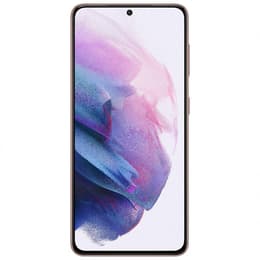
Galaxy S21 5G
Galaxy S21 5G
Starting at

Refurbished price:161.00

Versus €1,026.00 new

See options
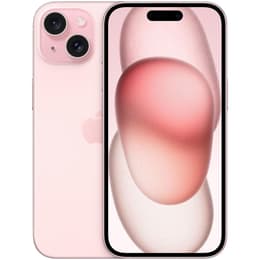
iPhone 15
iPhone 15
Starting at

Refurbished price:399.00

Versus €879.00 new

See options

Ratings

The Samsung Galaxy S21 5G, released in January 2021, and the iPhone 15, launched in September 2023, represent different generations of flagship smartphones from their respective manufacturers. While both devices offer robust mobile experiences, the iPhone 15 benefits from more recent technological advancements, particularly in its camera system and processing power, while the Galaxy S21 5G provides a compelling Android alternative with its own set of strengths. Both operate on distinct ecosystems, Android for the S21 5G and iOS for the iPhone 15, influencing user experience and software availability.

Scores

Durability

When considering the long-term usability of these devices, their release timelines and software support play a significant role.

  • Software Longevity: The iPhone 15, being a more recent release, is expected to receive major iOS updates for a minimum of five years from its launch date, potentially extending to seven years for security patches. The Galaxy S21 5G, released earlier, typically receives four major Android OS updates and five years of security updates, meaning its official software support period is nearing its end in early 2026.
  • Physical Durability: The iPhone 15 features a Ceramic Shield front and a color-infused glass back, framed by aluminum, offering enhanced drop protection. The Galaxy S21 5G uses Gorilla Glass Victus on the front and a plastic back with an aluminum frame, which can be more resilient to certain types of impact than glass.
  • Repairability: The Galaxy S21 5G has been noted for a relatively high repairability score, with some sources indicating it is easy to disassemble and repair, scoring around 7.5 out of 10. The iPhone 15 initially received a lower repairability score, but subsequent software updates and design considerations have seen its score improve to 7 out of 10, allowing for easier part replacement.

Year of Release

2021

2023

Compatible with latest Update

Yes

Yes

OS

Android

iOS

Foldable

No

No

Performance

The performance of a smartphone is crucial for daily tasks, from app usage to demanding games and multitasking.

  • Processing Power: The iPhone 15 is equipped with a powerful and efficient processor, enabling smooth operation across applications and responsive multitasking. The Galaxy S21 5G, while featuring a powerful processor for its release year, offers robust performance for everyday use and can handle most demanding applications effectively.
  • Multitasking and Storage: The Galaxy S21 5G typically comes with 8GB of RAM, which supports fluid multitasking and app switching. The iPhone 15 generally includes 6GB of RAM, optimized by its operating system for efficient performance. Both devices offer various internal storage options, with the iPhone 15 extending up to 512GB and the Galaxy S21 5G up to 256GB.
  • Battery Behavior: The iPhone 15 has a battery capacity of approximately 3349 mAh, with user experiences varying, some reporting good all-day usage while others note faster drain depending on usage patterns. The Galaxy S21 5G features a 4000 mAh battery, generally providing sufficient power for a full day of moderate use.

Memory (GB)

8 GB

6 GB

Screen quality

The display is a primary interface for smartphone interaction, and both devices offer distinct visual experiences.

  • Display Technology and Clarity: The iPhone 15 features a 6.1-inch Super Retina XDR OLED display, known for its deep blacks, vibrant colors, and sharp resolution of 1179 x 2556 pixels. The Galaxy S21 5G sports a slightly larger 6.2-inch Dynamic AMOLED 2X display with a resolution of 1080 x 2400 pixels, also delivering rich colors and good clarity.
  • Brightness and Refresh Rate: The iPhone 15 offers a peak outdoor brightness of up to 2000 nits, ensuring good visibility in bright conditions, but maintains a standard 60Hz refresh rate. The Galaxy S21 5G provides a peak brightness of 1300 nits and features a 120Hz adaptive refresh rate, which contributes to smoother scrolling and a more fluid visual experience.
  • Unique Display Features: The iPhone 15 incorporates the Dynamic Island, an interactive area around the front camera and sensors that displays alerts and background activities. The Galaxy S21 5G offers an always-on display feature, allowing users to see essential information without fully waking the screen.

Resolution

1080 x 2400

1179 x 2556

Screen type

Dynamic AMOLED 2X

Super Retina XDR OLED

Audiovisual

Both smartphones provide advanced camera systems designed for capturing high-quality photos and videos in various conditions.

  • Rear Camera Systems: The iPhone 15 features an advanced dual-camera system with a 48MP main sensor that uses sensor-shift optical image stabilization and a 12MP ultrawide lens. The Galaxy S21 5G comes with a versatile triple-camera setup, including a 12MP wide, a 64MP telephoto with 3x hybrid optical zoom, and a 12MP ultrawide lens.
  • Photography Performance: The iPhone 15 excels in capturing detailed images with improved dynamic range and strong low-light performance, supporting super-high-resolution photos. The Galaxy S21 5G offers good overall image quality with vibrant colors and effective scene optimization, performing well in various lighting conditions.
  • Video Recording and Audio: Both devices are capable of high-quality video recording. The iPhone 15 supports 4K video recording at up to 60 frames per second across its cameras. The Galaxy S21 5G can record up to 8K video at 24 frames per second and 4K at 60 frames per second across all its lenses, including the front camera. Both offer good microphone quality for calls and recording, and their speakers provide a clear media consumption experience.

Main camera

12 megapixels

48 megapixels

Front camera

10 megapixels

12 megapixels

Miscellaneous

Beyond core features, several practical elements contribute to the overall user experience and device utility.

  • Connectivity and Ports: Both the iPhone 15 and Galaxy S21 5G support 5G connectivity for fast mobile data. The iPhone 15 has transitioned to a USB-C port, which supports charging and data transfer, and can also output video up to 4K resolution. The Galaxy S21 5G also uses a USB-C port for charging and data, supporting USB 3.2 speeds. Both include Wi-Fi 6 and Bluetooth for wireless connections.
  • Biometric Security: The iPhone 15 relies on Face ID for secure facial recognition. The Galaxy S21 5G features an ultrasonic in-display fingerprint sensor for biometric authentication.
  • Design and Handling: The iPhone 15 measures 147.6 x 71.6 x 7.8 mm and weighs 171 grams, offering a compact and balanced feel. The Galaxy S21 5G is slightly taller at 151.7 x 71.2 x 7.9 mm and weighs 169 grams, providing a similar ergonomic profile. Both devices feature an aluminum frame, with the iPhone 15 having a color-infused glass back and the Galaxy S21 5G a plastic back.

Weight

171 g

171 g

Screen size (in)

6.2

6.1

Network

5G

5G

SIM card

Physical SIM + eSIM

eSIM

Carrier compatibility

Unlocked

Unlocked

Connector

USB-C

USB-C (USB 2)

User sentiment for both the Galaxy S21 5G and the iPhone 15 highlights their respective strengths. The iPhone 15 is often praised for its powerful processor, improved camera capabilities, and the integration of the Dynamic Island, offering a refined and intuitive user experience. Some users have noted varying battery performance, though overall satisfaction with its ecosystem and long-term software support remains high. The Galaxy S21 5G, on the other hand, receives commendation for its vibrant 120Hz display, versatile camera system with 8K video recording, and its repairability score. Some common criticisms for the S21 5G at its launch included the plastic back (though this can also be seen as a durability advantage) and the absence of a microSD card slot.

Users prioritizing the latest software experience, a highly efficient processor for demanding tasks, and a robust camera system with excellent computational photography will find the iPhone 15 well-suited to their needs. Its extended software support timeline also appeals to those seeking a device for several years. Conversely, users who value a high refresh rate display for smoother visuals, a versatile triple-camera setup with 8K video capabilities, and the Android ecosystem's flexibility may lean towards the Galaxy S21 5G. For those considering a quality-assured refurbished option, both devices offer an eco-friendly alternative to purchasing new, allowing users to make informed and sustainable choices based on their priorities.

See all articles

Our recent comparisons