
Galaxy S21 5G Vs iPhone 14 Pro

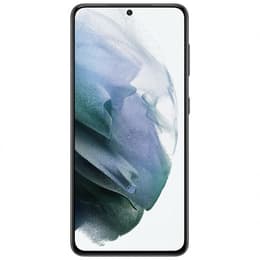
Galaxy S21 5G
Galaxy S21 5G
Starting at

Refurbished price:174.00

Versus €1,026.00 new

See options
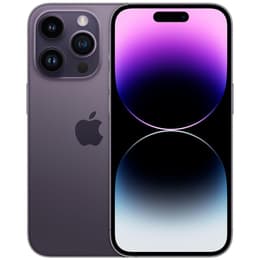
iPhone 14 Pro
iPhone 14 Pro
Starting at

Refurbished price:424.00

Versus €1,339.00 new

See options

Ratings

The Samsung Galaxy S21 5G, released in January 2021, and the Apple iPhone 14 Pro, launched in September 2022, represent different generations of flagship smartphones from their respective manufacturers. While both devices offer premium experiences, they diverge significantly in their operating systems, core hardware, and camera capabilities. This comparison aims to highlight the practical differences between these two devices to assist users in making an informed purchasing decision.

Scores

Durability

When considering the long-term usability of a smartphone, factors like software support, physical durability, and ease of repair are important.

  • Release Timeline: The Galaxy S21 5G was released in January 2021, making it an older device compared to the iPhone 14 Pro, which launched in September 2022. This difference in release dates impacts their respective software support lifecycles.
  • Software Longevity: The Galaxy S21 5G launched with Android 11 and is expected to receive its last major OS update with Android 15 (One UI 7). Security updates for the S21 series are anticipated to continue until January or February 2026, with Samsung extending security update support for some devices up to 7 years as of January 2024, though the S21 is now on a quarterly schedule. The iPhone 14 Pro, running iOS 16 at launch, is generally expected to receive major iOS updates for approximately 6 to 7 years, potentially extending its software support until around 2029.
  • Repairability: The Galaxy S21 5G initially received a favorable repairability score of 7.5 out of 10, noted for being relatively easy to disassemble, partly due to its plastic back and modular display cable. In contrast, the iPhone 14 Pro, while initially praised for some design changes, saw its repairability score downgraded by iFixit to 4 out of 10 due to Apple's parts pairing restrictions, which complicate independent repairs.

Year of Release

2021

2022

Compatible with latest Update

Yes

Yes

OS

Android

iOS

Foldable

No

No

Performance

The performance of a smartphone is crucial for daily tasks, from navigating applications to demanding multimedia use.

  • System Responsiveness: The iPhone 14 Pro features a more recent-generation processor, which contributes to smooth and fast operation across various applications and multitasking scenarios. The Galaxy S21 5G, while still capable, relies on an older generation processor that handles everyday tasks efficiently but may show differences in demanding applications compared to the newer iPhone.
  • Multitasking and Storage: Both devices offer ample RAM for effective multitasking, with the iPhone 14 Pro typically featuring 6GB and the Galaxy S21 5G offering 8GB. Storage options vary, with the iPhone 14 Pro available in configurations up to 1TB, while the Galaxy S21 5G offers up to 256GB, without expandable storage.
  • Battery Behavior: The iPhone 14 Pro, despite having a smaller battery capacity (3200 mAh) than the Galaxy S21 5G (4000 mAh), is often reported by users to provide all-day power with typical usage, achieving around six hours or more of screen time. The Galaxy S21 5G's battery life is generally considered sufficient for a full day of moderate use, though heavy usage, especially with 5G connectivity and the 120Hz display, can lead to more frequent charging.

Memory (GB)

8 GB

6 GB

Screen quality

The display is a primary interface for smartphone interaction, influencing everything from content consumption to daily navigation.

  • Display Technology and Clarity: Both devices feature vibrant OLED displays. The Galaxy S21 5G uses a 6.2-inch Dynamic AMOLED 2X display with a resolution of 1080 x 2400 pixels, offering clear visuals. The iPhone 14 Pro has a 6.1-inch Super Retina XDR OLED display with a higher resolution of 2556 x 1179 pixels, resulting in a slightly higher pixel density for sharper images.
  • Brightness and Refresh Rate: Both phones offer a 120Hz refresh rate for smooth scrolling and responsive interactions. The iPhone 14 Pro stands out with its peak outdoor brightness of 2000 nits, making it highly visible even in direct sunlight, compared to the Galaxy S21 5G's 1300 nits peak brightness. The iPhone 14 Pro also includes an adaptive refresh rate that can drop to 1Hz for its always-on display feature, conserving battery.
  • Viewing Experience: The iPhone 14 Pro introduces the Dynamic Island, a redesigned notch area that integrates system alerts and background activities, offering a different visual experience compared to the Galaxy S21 5G's punch-hole camera cutout.

Resolution

1080 x 2400

1179 x 2556

Screen type

Dynamic AMOLED 2X

LTPO Super Retina XDR OLED

Audiovisual

Camera capabilities are a significant consideration for many users, impacting the quality of photos and videos captured in various conditions.

  • Rear Camera Systems: The Galaxy S21 5G features a versatile triple-camera setup with a 12MP main, 12MP ultrawide, and a 64MP telephoto lens offering 3x optical zoom. The iPhone 14 Pro elevates its main camera to a 48MP sensor, utilizing quad-pixel technology for enhanced detail, alongside 12MP ultrawide and 12MP telephoto lenses with 3x optical zoom.
  • Photography Performance: The iPhone 14 Pro generally delivers brighter, more detailed, and color-rich photos, particularly excelling in low-light conditions due to its larger sensor and improved processing. The Galaxy S21 5G also offers good camera performance, with optical image stabilization on its main and zoom cameras, and improved night mode compared to its predecessors.
  • Video and Audio: Both devices are capable of high-quality video recording, including 4K at 60fps. The iPhone 14 Pro introduces features like Action Mode for enhanced video stabilization and an improved Cinematic Mode that supports 4K video. User reviews suggest the iPhone 14 Pro offers professional-grade video quality with solid stabilization and good audio. The Galaxy S21 5G also supports 8K video recording.

Main camera

12 megapixels

48 megapixels

Front camera

10 megapixels

12 megapixels

Miscellaneous

Beyond core features, several practical elements contribute to the overall user experience and device utility.

  • Connectivity and Ports: Both smartphones support 5G connectivity, modern Wi-Fi standards, and Bluetooth. The Galaxy S21 5G uses a USB-C port, a widely adopted standard. The iPhone 14 Pro, however, is notable as the last Pro model to feature Apple's proprietary Lightning port before a transition to USB-C in subsequent generations.
  • Biometric Security and Sensors: The Galaxy S21 5G incorporates an under-display ultrasonic fingerprint scanner, which users have found responsive. The iPhone 14 Pro relies on Face ID for secure facial recognition. Both devices include a range of sensors for various functionalities, such as accelerometers, gyroscopes, and ambient light sensors.
  • Build Materials and Handling: The Galaxy S21 5G features a plastic back, which contributes to its lighter weight of 169 grams and can offer better grip, though some users might prefer a glass finish. It also boasts IP68 water and dust resistance. The iPhone 14 Pro, with its glass and stainless steel construction, offers a more premium feel and is also IP68 rated for water and dust resistance.

Weight

171 g

206 g

Screen size (in)

6.2

6.1

Network

5G

5G

SIM card

Physical SIM + eSIM

Physical SIM + eSIM

Carrier compatibility

Unlocked

Unlocked

Connector

USB-C

Lightning

The Samsung Galaxy S21 5G and the iPhone 14 Pro cater to slightly different user priorities, reflecting their respective ecosystems and release timelines. Users often praise the Galaxy S21 5G for its vibrant display, versatile camera system, and the flexibility of the Android operating system. Some common criticisms have included its battery life under heavy use and the absence of a microSD card slot.

The iPhone 14 Pro is frequently lauded for its powerful performance, exceptional camera capabilities, particularly in low light, and its bright, adaptive display with the innovative Dynamic Island. User feedback also highlights its robust software support and overall polished user experience. Some users have noted the continued use of the Lightning port and the challenges associated with third-party repairs due to Apple's parts pairing policies.

Users prioritizing an extensive and customizable Android experience with a strong camera and a slightly larger battery capacity may find the Galaxy S21 5G well-suited to their needs. Those who value a highly optimized ecosystem, class-leading camera performance, superior display brightness, and longer software support will likely lean towards the iPhone 14 Pro. Both devices offer compelling features, and choosing between them often comes down to personal preference for operating system and specific feature priorities. For those seeking a more sustainable choice, considering a quality-assured refurbished option for either model can provide an eco-friendly alternative.


See all articles

Our recent comparisons







