

Galaxy S10 Vs iPhone XR

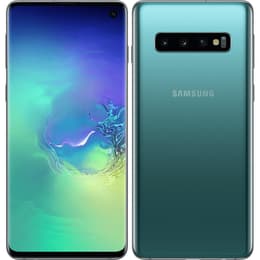
Galaxy S10
Galaxy S10
Starting at

Refurbished price:114.00

Versus €549.00 new

See options
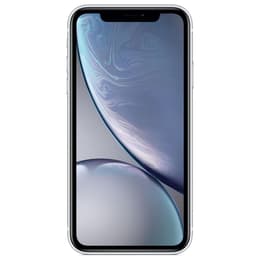
iPhone XR
iPhone XR
Starting at

Refurbished price:121.00

Versus €439.00 new

See options

Ratings

The Samsung Galaxy S10, released in March 2019, and the Apple iPhone XR, launched in October 2018, are both smartphones that offered distinct approaches to mobile technology during their respective releases. While the Galaxy S10 runs on the Android operating system and features a versatile multi-camera system, the iPhone XR operates on iOS and emphasizes a streamlined user experience with a single rear camera. Both devices provide different ecosystems and design philosophies for users to consider.

Scores

Durability

When evaluating the long-term usability of these devices, their release timelines and software support are key factors. The iPhone XR, launched in late 2018, has received iOS updates up to iOS 18.x, indicating a longer software support cycle from its manufacturer. The Galaxy S10, released in early 2019, received major Android OS updates up to Android 12, with security updates officially ceasing for most models by March 2024.

  • Software Longevity: The iPhone XR generally benefits from Apple's extended software support, providing users with more years of feature updates and security patches compared to the Galaxy S10, which has reached its end-of-life for regular software updates.
  • Repairability: The iPhone XR received an iFixit repairability score of 6 out of 10, suggesting it is moderately repairable, with common repairs like display and battery replacements being relatively straightforward. In contrast, the Galaxy S10 scored 3 out of 10, indicating a more challenging repair process due to extensive adhesive use, a soldered charging port, and an integrated in-display fingerprint sensor.
  • Practical Lifespan: Users prioritizing the latest software features and security updates may find the iPhone XR offers a slightly longer practical lifespan due to its ongoing software support. For those considering a refurbished option, the ease of repair for the iPhone XR could also contribute to its longevity.

Year of Release

2019

2018

Compatible with latest Update

No

Yes

OS

Android

iOS

Foldable

No

No

Performance

The performance of a smartphone is influenced by its internal components, affecting how smoothly applications run and how efficiently it handles daily tasks. Both the Galaxy S10 and iPhone XR were equipped with capable processors for their time, but their approaches to memory and storage differ.

  • Processor Capabilities: The iPhone XR features an Apple A12 Bionic chip, which was designed for efficient performance across iOS applications, ensuring smooth navigation and responsive app launches. The Galaxy S10 is powered by an octa-core processor (either the Exynos 9820 or Snapdragon 855, depending on the region), providing robust performance for multitasking and demanding applications within the Android ecosystem.
  • Multitasking and Responsiveness: The Galaxy S10 typically comes with 8GB of RAM, which supports extensive multitasking and keeps numerous applications open in the background without significant slowdowns. The iPhone XR, with 3GB of RAM, relies on iOS's optimized memory management to maintain a fluid user experience, handling everyday tasks and app switching efficiently.
  • Storage and Battery Behavior: The Galaxy S10 offers storage options starting from 128GB and includes a microSD card slot for expandable storage, providing flexibility for users who need more space for media and files. Its 3400 mAh battery is designed to support its higher-resolution display and multi-camera system. The iPhone XR comes with storage options up to 256GB and features a 2942 mAh battery, optimized by iOS for a full day of typical use.

Memory (GB)

8 GB

3 GB

Screen quality

The display is a primary interface for smartphone interaction, and both devices offer different visual experiences based on their underlying technology and specifications.

  • Display Technology and Clarity: The Samsung Galaxy S10 features a 6.1-inch Dynamic AMOLED display, known for its deep blacks, vibrant colors, and high contrast ratio. It boasts a resolution of 3040x1440 pixels (QHD+), resulting in a sharp 550 pixels per inch (PPI). The iPhone XR, on the other hand, uses a 6.1-inch Liquid Retina HD IPS LCD display, which provides accurate color reproduction and wide viewing angles. Its resolution is 1792x828 pixels, with a pixel density of 326 PPI.
  • Brightness and Outdoor Visibility: The Galaxy S10's AMOLED panel can reach a peak brightness of up to 1215 nits in certain conditions, and around 804 nits for full-screen white content, contributing to good visibility even in bright outdoor environments. The iPhone XR offers a typical maximum brightness of 625 nits, which provides clear viewing in most lighting conditions, though it may be less bright than the S10 in direct sunlight.
  • Refresh Rate and Viewing Experience: Both devices feature a standard 60Hz refresh rate, providing a smooth experience for general navigation and content consumption. The Galaxy S10's higher resolution and AMOLED technology offer a more detailed and visually immersive experience, particularly for high-definition video and detailed imagery. The iPhone XR's LCD, while lower in resolution, delivers consistent color and brightness across the screen.

Resolution

1440 x 3040

828 x 1792

Screen type

Dynamic AMOLED

Liquid Retina IPS LCD

Audiovisual

Camera capabilities are a significant consideration for many users, and these two smartphones offer distinct photographic and videographic experiences.

  • Rear Camera Systems: The Samsung Galaxy S10 features a versatile triple-camera setup on the rear, including a 12MP wide-angle lens with a dual aperture, a 12MP telephoto lens offering 2x optical zoom, and a 16MP ultra-wide-angle lens with a 123-degree field of view. This configuration allows for a range of photographic styles, from expansive landscapes to detailed close-ups. The iPhone XR simplifies its rear camera to a single 12MP wide-angle lens with an f/1.8 aperture and optical image stabilization.
  • Photography Performance: The Galaxy S10's multiple lenses provide flexibility for different shooting scenarios, with features like Scene Optimizer and Shot Suggestion enhancing image quality. Its dual-aperture wide lens is designed to perform well in varying light conditions. The iPhone XR, despite having a single lens, utilizes software processing like Smart HDR to produce balanced and detailed photos, and it is capable of capturing portrait mode photos with adjustable depth control.
  • Video Recording and Audio: Both devices support 4K video recording at up to 60 frames per second. The Galaxy S10 includes a Super Steady Video feature for smoother footage and can record in HDR10+. The iPhone XR also offers cinematic video stabilization and stereo recording. For audio, both provide stereo speaker output for media consumption and clear microphone quality for calls and recordings.

Main camera

12 megapixels

12 megapixels

Front camera

10 megapixels

7 megapixels

Miscellaneous

Beyond core performance and display, several practical features contribute to the overall user experience and daily convenience of a smartphone.

  • Connectivity and Ports: Both the Galaxy S10 and iPhone XR support 4G LTE for mobile data, along with Wi-Fi 802.11 a/b/g/n/ac and Bluetooth 5.0 for wireless connections. The Galaxy S10 features a USB-C port for charging and data transfer, and notably retains a 3.5mm headphone jack. The iPhone XR uses Apple's proprietary Lightning connector for charging and accessories, and does not include a traditional headphone jack.
  • Biometric Security and Design: The Galaxy S10 incorporates an ultrasonic in-display fingerprint sensor for secure unlocking, alongside 2D face unlock. Its design includes a glass front and back (Corning Gorilla Glass 6) with an aluminum frame, offering IP68 water and dust resistance. The iPhone XR relies on Face ID for biometric authentication, using its TrueDepth camera system. It features a glass front and back with an aluminum frame, and is rated IP67 for water and dust resistance.
  • Physical Characteristics: The Galaxy S10 measures 149.9 x 70.4 x 7.8 mm and weighs 157 grams. The iPhone XR is slightly larger and heavier at 150.9 x 75.7 x 8.3 mm and 194 grams. These differences can impact how each device feels in hand and its portability.

Weight

158 g

194 g

Screen size (in)

6.1

6.1

Network

4G

4G

SIM card

Physical SIM

Physical SIM + eSIM

Carrier compatibility

Unlocked

Unlocked

User feedback for the Samsung Galaxy S10 often praises its vibrant AMOLED display, versatile camera system with an ultra-wide lens, and the inclusion of a headphone jack and expandable storage. Some common criticisms have centered on its battery life compared to some competitors and the complexity of its repairability. The iPhone XR is frequently lauded for its consistent performance, reliable battery life, and the quality of its single camera, particularly for everyday photography and video. Users have sometimes noted its lower-resolution LCD display compared to other devices in its class, and the absence of a telephoto lens.

Users prioritizing a high-resolution, vibrant display, and a flexible multi-camera setup with expandable storage may find the Samsung Galaxy S10 well-suited to their needs. Its Android operating system also offers more customization options. Conversely, users who value consistent software updates, a streamlined user experience, and robust facial recognition security may lean towards the iPhone XR. Its strong performance for daily tasks and reliable single camera make it a practical choice for many. Both devices, available as quality-assured refurbished options, present an eco-friendly alternative for consumers seeking capable smartphones without purchasing new.


See all articles

Our recent comparisons






