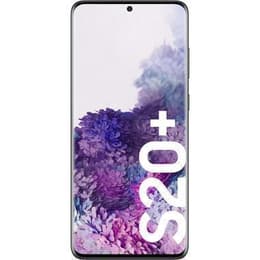
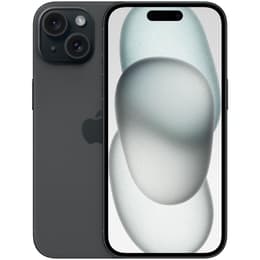


Galaxy S20+ 5G Vs iPhone 15

Galaxy S20+ 5G
Galaxy S20+ 5G
Starting at

Refurbished price:191.00

Versus €590.00 new

See options
iPhone 15
iPhone 15
Starting at

Refurbished price:399.00

Versus €879.00 new

See options

Ratings

The Samsung Galaxy S20 Plus 5G, released in March 2020, and the iPhone 15, launched in September 2023, represent different generations and operating systems within the smartphone landscape. While the Galaxy S20 Plus 5G runs on Android and offers a larger display with a higher refresh rate, the iPhone 15 operates on iOS, featuring a more recent processor and enhanced camera capabilities. These devices cater to users with varying preferences for software ecosystems and hardware priorities.

Scores

Durability

The longevity of a smartphone is influenced by its release timeline, software support, and physical durability. The Galaxy S20 Plus 5G, being an older device, has reached the end of its major Android operating system updates, while the iPhone 15 is expected to receive software support for many more years.

  • Software Updates: The Galaxy S20 Plus 5G launched with Android 10 and received updates up to Android 13, marking its end of major OS support. In contrast, the iPhone 15, released with iOS 17, is anticipated to receive major iOS updates for approximately 5 to 7 years, potentially extending its support until around 2035.
  • Repairability: The Galaxy S20 Plus 5G received a low repairability score of 3 out of 10 from iFixit, primarily due to the extensive use of adhesive for the battery and a fragile display that is difficult to remove without damage. The iPhone 15 initially had a repairability score of 4 out of 10, which was later improved to 7 out of 10 for the iPhone 15 series, indicating a more repair-friendly design, especially concerning part access and software calibration.
  • Physical Durability: Both devices feature glass front and back panels with aluminum frames and carry an IP68 rating for dust and water resistance. The iPhone 15 incorporates Ceramic Shield on its front, which is designed for enhanced drop performance.

Year of Release

2020

2023

Compatible with latest Update

No

Yes

OS

Android

iOS

Foldable

No

No

Performance

Performance in smartphones is determined by the efficiency of their internal components, impacting how smoothly applications run and how effectively the device handles demanding tasks. The iPhone 15, being a newer model, benefits from a more advanced processor compared to the Galaxy S20 Plus 5G.

  • Processing Power: The iPhone 15 features a current-generation processor that delivers powerful and smooth performance, capable of handling intensive applications and multitasking with ease. The Galaxy S20 Plus 5G, while offering strong performance at its release, relies on an older generation processor that provides a responsive experience for everyday tasks and gaming, though it may show its age with the most demanding modern applications.
  • Battery Behavior: The Galaxy S20 Plus 5G is equipped with a 4500 mAh battery, which users generally found to last through a full day of typical use, though features like the 120Hz display and 5G connectivity can increase power consumption. The iPhone 15, with a 3349 mAh battery, is optimized to provide a full day of usage for most users, with some reporting it can last through heavy use.
  • Storage and Responsiveness: Both devices offer various storage configurations. The iPhone 15 provides a highly responsive user experience across its iOS operating system. The Galaxy S20 Plus 5G, running Android, also offers a fluid experience, with its 12GB of RAM contributing to smooth multitasking.

Memory (GB)

8 GB

6 GB

Screen quality

The display is a primary interface for smartphone interaction, and both the Galaxy S20 Plus 5G and the iPhone 15 offer distinct visual experiences based on their display technologies and features.

  • Display Technology and Size: The Galaxy S20 Plus 5G features a larger 6.7-inch Dynamic AMOLED 2X display, providing vibrant colors and deep blacks. The iPhone 15 has a 6.1-inch Super Retina XDR OLED display, also known for its rich colors and contrast.
  • Resolution and Refresh Rate: The Galaxy S20 Plus 5G offers a higher resolution of 1440 x 3200 pixels and supports a 120Hz refresh rate, which provides smoother scrolling and animations, particularly noticeable in gaming and general navigation. The iPhone 15 has a resolution of 1179 x 2556 pixels and a standard 60Hz refresh rate.
  • Brightness and Features: Both displays offer good brightness levels for outdoor visibility. The iPhone 15 introduces the Dynamic Island, an interactive area around the front camera cutout that displays alerts and background activities. The Galaxy S20 Plus 5G includes an Always-on display feature.

Resolution

1440 x 3200

1179 x 2556

Screen type

Dynamic AMOLED 2X

Super Retina XDR OLED

Audiovisual

Camera capabilities are a significant factor for many smartphone users, and both the Galaxy S20 Plus 5G and the iPhone 15 offer versatile camera systems with different strengths.

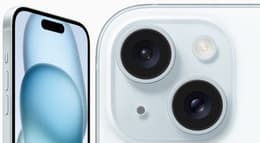
  • Rear Camera System: The Galaxy S20 Plus 5G features a triple-camera setup with a 12MP wide lens, a 64MP telephoto lens with 3x hybrid optical zoom, and a 12MP ultrawide lens, complemented by a DepthVision camera for enhanced depth sensing. The iPhone 15 has a dual-camera system, including a 48MP main camera that uses pixel binning for detailed 24MP photos and offers a 2x optical quality zoom by cropping the sensor, alongside a 12MP ultrawide camera.
  • Photography Performance: The Galaxy S20 Plus 5G is noted for its strong telephoto capabilities and good low-light performance for its generation. The iPhone 15's 48MP main sensor delivers impressive image quality with realistic colors, and its software optimizations contribute to improved HDR and overall photo quality.
  • Video Recording and Front Camera: Both devices offer high-quality video recording. The Galaxy S20 Plus 5G can record up to 8K video at 24fps, and 4K at 60fps, with a 10MP front camera. The iPhone 15 records up to 4K at 60fps and features a 12MP front camera, known for its strong selfie performance and video capabilities.

Main camera

12 megapixels

48 megapixels

Front camera

10 megapixels

12 megapixels

Miscellaneous

Beyond core performance and display, several practical elements contribute to the overall user experience of a smartphone. The Galaxy S20 Plus 5G and iPhone 15 differ in their connectivity, port types, and physical characteristics.

  • Connectivity and Ports: Both devices support 5G connectivity. The Galaxy S20 Plus 5G includes Wi-Fi 6 and Bluetooth 5.0, with a USB-C port for charging and data transfer. The iPhone 15 features newer Wi-Fi 6E and Bluetooth 5.3 standards, and notably, it has transitioned to a USB-C port, offering broader compatibility with accessories. Neither device includes a 3.5mm headphone jack.
  • Biometric Security: The Galaxy S20 Plus 5G utilizes an in-display ultrasonic fingerprint sensor for secure unlocking. The iPhone 15 relies on Face ID, Apple's facial recognition system.
  • Design and Handling: The Galaxy S20 Plus 5G measures 161.9 x 73.7 x 7.8 mm and weighs 186g, offering a larger form factor. The iPhone 15 is more compact at 147.6 x 71.6 x 7.8 mm and lighter at 171g, which can contribute to easier one-handed use. Both phones feature premium build materials, with the iPhone 15 having a color-infused glass back and the Galaxy S20 Plus 5G using Gorilla Glass 6 on both sides.

Weight

188 g

171 g

Screen size (in)

6.7

6.1

Network

5G

5G

SIM card

Physical SIM + eSIM

eSIM

Carrier compatibility

Unlocked

Unlocked

Connector

USB-C

USB-C (USB 2)

Users often praise the Samsung Galaxy S20 Plus 5G for its expansive, high-refresh-rate display and versatile camera system, particularly its telephoto capabilities. Some common criticisms from users include its relatively shorter software update lifespan compared to newer devices and the initial battery drain when using the 120Hz refresh rate and 5G simultaneously. The in-display fingerprint sensor also received mixed feedback regarding its speed and reliability.

The iPhone 15 is frequently lauded by users for its powerful and efficient performance, the integration of the Dynamic Island for a more interactive user experience, and its significantly upgraded main camera that delivers detailed and vibrant photos. Users appreciate the transition to USB-C for universal charging convenience. Some common concerns include the standard 60Hz refresh rate, which is lower than many Android counterparts, and the absence of a dedicated telephoto lens, relying instead on digital zoom for longer ranges.

Users prioritizing a larger, high-refresh-rate display and the flexibility of the Android ecosystem may find the Galaxy S20 Plus 5G well-suited to their needs. Those who value a compact design, extended software support, a highly optimized camera system, and the iOS ecosystem will likely lean towards the iPhone 15. Both devices offer robust performance for their respective generations. For those considering a more sustainable choice, both models are available as quality-assured refurbished options, providing an eco-friendly alternative to purchasing new.

See all articles

Our recent comparisons