

iPhone 15 Pro Vs Xiaomi Redmi 14C

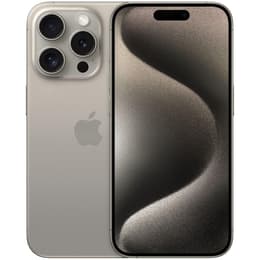
iPhone 15 Pro
iPhone 15 Pro
Starting at

Refurbished price:510.00

Versus €1,165.38 new

See options
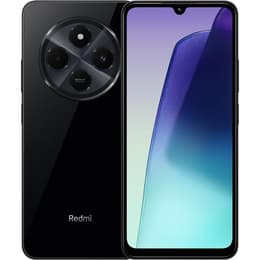
Xiaomi Redmi 14C
Xiaomi Redmi 14C
Starting at

Refurbished price:128.20

Versus €189.00 new

See options

Ratings

The iPhone 15 Pro, released in September 2023, and the Xiaomi Redmi 14C, launched in August 2024, represent distinct approaches to smartphone design and functionality. While both are smartphones, they cater to different user expectations, with the iPhone 15 Pro offering a premium experience within the iOS ecosystem and the Redmi 14C providing a feature-rich option running Android with Xiaomi's HyperOS. Key differentiators lie in their display technology, processing power, and camera capabilities.

Scores

Durability

The longevity of a smartphone is influenced by its initial build quality, software support, and ease of repair.

  • Release Timeline: The iPhone 15 Pro was released in September 2023, while the Xiaomi Redmi 14C followed in August 2024. This difference in release dates means the iPhone 15 Pro has been on the market for a longer period.
  • Software Support: The iPhone 15 Pro launched with iOS 17 and is expected to receive major iOS updates for a minimum of five years, extending its software relevance well into 2028. The Redmi 14C, running Android 14 with HyperOS, is promised two years of major Android updates and four years of security patches, offering a shorter but still reasonable support period for its category.
  • Repairability: The iPhone 15 Pro initially received a lower repairability score, but subsequent software updates improved its standing, allowing for calibration of certain replacement parts. The Redmi 14C has an average repairability score, with some components being accessible but requiring careful disassembly due to adhesive use and the need to remove the mid-frame for certain repairs.

Year of Release

2023

2024

Compatible with latest Update

Yes

Yes

OS

iOS

Android

Foldable

No

No

Performance

Performance in a smartphone dictates how smoothly applications run, how quickly tasks are completed, and the overall responsiveness of the device.

  • Processing Capabilities: The iPhone 15 Pro is equipped with a powerful current-generation processor designed for demanding applications, complex multitasking, and advanced mobile gaming, ensuring a highly responsive user experience. The Redmi 14C features a processor suited for essential daily tasks such as messaging, web browsing, and light gaming, performing adequately in real-world usage.
  • Storage and Responsiveness: The iPhone 15 Pro offers various storage options, contributing to fast app loading and smooth operation. The Redmi 14C utilizes eMMC 5.1 storage, which can result in slower app opening speeds and occasional stutters during heavy multitasking or app updates, as noted by some users.
  • Battery Behavior: The iPhone 15 Pro's battery generally provides sufficient power for a full day of moderate use, though heavy users might find themselves needing to recharge before the day ends. The Redmi 14C, with its larger battery capacity, is reported to last around 39 hours of moderate use, equating to about 1.5 days, making it a dependable option for everyday tasks.

Memory (GB)

8 GB

4 GB

Screen quality

The display is a primary interface for user interaction, and its quality significantly impacts the viewing experience.

  • Display Technology and Resolution: The iPhone 15 Pro features a 6.1-inch Super Retina XDR OLED display, offering deep blacks, vibrant colors, and a high resolution of 2556x1179 pixels, resulting in sharp and detailed visuals. The Redmi 14C comes with a larger 6.88-inch IPS LCD display, providing an HD+ resolution of 1640x720 pixels, which is suitable for casual viewing but offers less sharpness compared to higher-resolution panels.
  • Brightness and Clarity: The iPhone 15 Pro boasts impressive brightness levels, reaching up to 1000 nits typical, 1600 nits for HDR content, and a peak of 2000 nits for outdoor visibility, ensuring clear viewing even in bright sunlight. The Redmi 14C offers a typical brightness of 450 nits and a peak of 600 nits, which is adequate for indoor use and generally usable outdoors, though direct sunlight may present challenges.
  • Refresh Rate and Smoothness: The iPhone 15 Pro incorporates ProMotion technology, providing an adaptive refresh rate up to 120Hz for exceptionally smooth scrolling and fluid animations. The Redmi 14C also features a 120Hz refresh rate, contributing to a smoother navigation experience, particularly noticeable during scrolling and UI interactions.

Resolution

1179 x 2556

720 x 1640

Screen type

LTPO Super Retina XDR OLED

IPS LCD

Audiovisual

Camera systems are crucial for capturing moments, and both devices offer different photographic capabilities.

  • Rear Camera System: The iPhone 15 Pro features a versatile Pro camera system, including a 48MP main sensor capable of capturing super-high-resolution photos, a 12MP ultra-wide lens, and a 12MP telephoto lens with 3x optical zoom. This setup excels in various lighting conditions, producing detailed and vibrant images. The Redmi 14C is equipped with a 50MP main rear camera, which captures detailed photos in good lighting conditions, complemented by a secondary auxiliary lens.
  • Low-Light and Video Performance: The iPhone 15 Pro delivers strong low-light photography and offers advanced video recording features, including ProRes Apple Log, which is highly valued for professional workflows. The Redmi 14C's camera performs well in daylight but may struggle with low-light environments. Both front and rear cameras support video recording at 1080p at 30 frames per second, suitable for everyday social content.
  • Front Camera: The iPhone 15 Pro includes a high-quality front camera suitable for detailed selfies and video calls. The Redmi 14C features a 13MP front camera, which provides decent selfies with built-in beautification features.

Main camera

48 megapixels

50 megapixels

Front camera

12 megapixels

13 megapixels

Miscellaneous

Beyond core features, several practical elements contribute to the overall user experience and device utility.

  • Connectivity and Ports: The iPhone 15 Pro supports advanced connectivity standards like Wi-Fi 6E and 5G, and features a USB-C port with USB 3 speeds for faster data transfer. The Redmi 14C supports 4G LTE (with a 5G variant available), Wi-Fi 5, Bluetooth 5.4, and includes a USB-C port for charging and data, along with a 3.5mm headphone jack.
  • Security and Biometrics: The iPhone 15 Pro relies on Face ID for secure facial recognition. The Redmi 14C offers a side-mounted fingerprint sensor and AI face unlock for convenient access.
  • Build Materials and Dimensions: The iPhone 15 Pro features a strong and lightweight aerospace-grade titanium design with Ceramic Shield on the front and an IP68 rating for water and dust resistance. The Redmi 14C has a glass front, a plastic frame, and options for a glass or eco-leather back, with an IP52 rating for splash and dust resistance. The iPhone 15 Pro is generally more compact and lighter, while the Redmi 14C is larger and slightly heavier.

Weight

171 g

207 g

Screen size (in)

6.1

6.88

Network

5G

4G

SIM card

eSIM

Dual Physical SIM

Carrier compatibility

Unlocked

Unlocked

Connector

USB-C (USB 3)

USB-C

User feedback for the iPhone 15 Pro often highlights its exceptional camera quality, particularly for advanced photography and video, its powerful performance for demanding tasks, and the smooth experience provided by its high refresh rate display. Some users note that while the battery life is generally good for a full day, heavy usage might require a mid-day charge. The transition to USB-C and the customizable Action Button are also frequently praised.

For the Xiaomi Redmi 14C, common praise points include its large, smooth 120Hz display, dependable battery life for moderate use, and its overall value as an entry-level device. Criticisms often revolve around the slower performance due to eMMC storage, which can affect app loading and multitasking, and the presence of bloatware and ads in the software. The camera is generally considered decent for daylight photos but less capable in low-light conditions.

Users prioritizing a premium build, top-tier performance for intensive applications, advanced camera capabilities, and a long software support window will find the iPhone 15 Pro well-suited to their needs. Those who value a large, smooth display for media consumption, extended battery life for everyday tasks, and a more accessible entry point into the smartphone ecosystem may lean towards the Xiaomi Redmi 14C. Both devices offer quality-assured refurbished options, providing an eco-friendly alternative for consumers.


See all articles

Our recent comparisons