

Galaxy S20+ 5G Vs iPhone 11

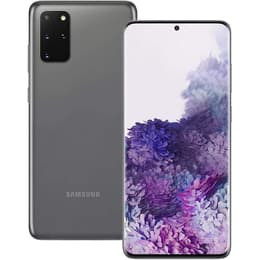
Galaxy S20+ 5G
Galaxy S20+ 5G
Starting at

Refurbished price:191.00

Versus €590.00 new

See options
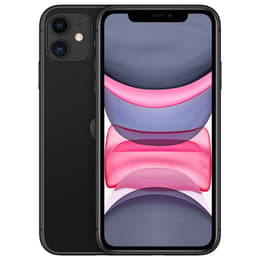
iPhone 11
iPhone 11
Starting at

Refurbished price:149.00

Versus €589.00 new

See options

Ratings

The Samsung Galaxy S20 Plus 5G, released in March 2020, and the Apple iPhone 11, launched in September 2019, represent two distinct approaches to flagship smartphones from their respective manufacturers. While both offer robust performance and capable camera systems, the Galaxy S20 Plus 5G distinguishes itself with a high-refresh-rate AMOLED display, 5G connectivity, and a more versatile camera array, whereas the iPhone 11 focuses on a streamlined user experience within the iOS ecosystem, known for its consistent software support and strong overall performance. These devices operate on Android and iOS, respectively, offering different user interfaces and app ecosystems.

Scores

Durability

When considering the longevity of these devices, both the Galaxy S20 Plus 5G and the iPhone 11 offer several years of expected usability, though their software support timelines differ.

  • Release Timeline: The iPhone 11 was released in September 2019, preceding the Galaxy S20 Plus 5G, which launched in March 2020. This six-month difference means the iPhone 11 has been on the market slightly longer.
  • OS Support Duration: Apple is known for extended software support, with the iPhone 11 compatible with iOS 18 as of September 2024 and iOS 26 as of September 2025, indicating a long update cycle. The Galaxy S20 Plus 5G launched with Android 10 and is expected to receive up to Android 13, aligning with Samsung's policy of providing three major OS updates for its S20 series.
  • Repairability: The iPhone 11 has an iFixit repairability score of 6 out of 10, noted for relatively easy display and battery replacements, though proprietary screws and a difficult-to-replace back glass are considerations. Information on the specific repairability score for the Galaxy S20 Plus 5G is less readily available, but Samsung devices generally offer moderate repairability.

Year of Release

2020

2019

Compatible with latest Update

No

Yes

OS

Android

iOS

Foldable

No

No

Performance

Both smartphones deliver strong performance for everyday tasks and more demanding applications, though they achieve this through different hardware configurations.

  • Processor Capabilities: The iPhone 11 is powered by a processor that, at its release, was described as offering significant speed improvements over its predecessor, enabling smooth handling of demanding apps and gaming. The Galaxy S20 Plus 5G features a current-generation octa-core processor (either Exynos 990 or Snapdragon 865 depending on region), providing robust performance for multitasking and graphically intensive applications.
  • RAM and Multitasking: The iPhone 11 comes with 4 GB of RAM, which is sufficient for fluid app switching and general usage within the optimized iOS environment. The Galaxy S20 Plus 5G, particularly its 5G variants, typically includes 12 GB of RAM, offering substantial capacity for extensive multitasking and keeping numerous applications open simultaneously without performance degradation.
  • Battery Behavior: The iPhone 11, with its 3110 mAh battery, is noted for good endurance, capable of lasting through a full day of moderate use, with up to 17 hours of video playback. The Galaxy S20 Plus 5G houses a larger 4500 mAh battery, supporting extended usage, though some users report that enabling the 120Hz display refresh rate can lead to more rapid battery consumption.

Memory (GB)

8 GB

4 GB

Screen quality

The visual experience on these two devices presents a notable contrast, primarily due to their differing display technologies and specifications.

  • Display Technology and Resolution: The iPhone 11 features a 6.1-inch Liquid Retina HD (IPS LCD) display with a resolution of 1792 x 828 pixels, resulting in a pixel density of 326 PPI. In contrast, the Galaxy S20 Plus 5G boasts a larger 6.7-inch Dynamic AMOLED 2X display with a significantly higher resolution of 1440 x 3200 pixels, offering a sharper 525 PPI. The AMOLED technology on the S20 Plus 5G provides deeper blacks and more vibrant colors compared to the LCD on the iPhone 11.
  • Brightness and Refresh Rate: The iPhone 11 offers a typical maximum brightness of 625 nits and a standard 60Hz refresh rate. The Galaxy S20 Plus 5G, however, supports a 120Hz refresh rate (at FHD resolution), providing a smoother scrolling and gaming experience, and generally achieves higher peak brightness for better outdoor visibility and HDR content.
  • Screen Size and Viewing Experience: The Galaxy S20 Plus 5G's larger 6.7-inch display offers a more expansive viewing area, which can enhance media consumption and productivity. The iPhone 11's 6.1-inch display provides a more compact form factor, which some users may find easier for one-handed use.

Resolution

1440 x 3200

828 x 1792

Screen type

Dynamic AMOLED 2X

Liquid Retina IPS LCD

Audiovisual

Both smartphones are equipped with capable camera systems, but they offer different strengths and features for photography and videography.

  • Rear Camera System: The iPhone 11 features a dual-camera setup with a 12 MP wide-angle lens (f/1.8) and a 12 MP ultra-wide-angle lens (f/2.4) with a 120° field of view. It includes Night mode, Deep Fusion, Smart HDR, and optical image stabilization for the wide lens. The Galaxy S20 Plus 5G offers a more versatile quad-camera system, including a 12 MP wide-angle lens (f/1.8, OIS), a 64 MP telephoto lens (f/2.0, OIS) with 3x hybrid optical zoom, a 12 MP ultra-wide-angle lens (f/2.2, 120° FoV), and a DepthVision (TOF 3D) sensor.
  • Photography Performance: The iPhone 11 excels in delivering consistent image quality across its two lenses, with its Night mode significantly improving low-light photos. The Galaxy S20 Plus 5G provides greater flexibility with its dedicated telephoto lens for zoomed shots and the high-resolution main sensor offering more detail. Its ultra-wide lens also captures expansive scenes effectively.
  • Video Recording Quality: The iPhone 11 supports 4K video recording at up to 60 frames per second (fps) with cinematic video stabilization. The Galaxy S20 Plus 5G pushes video capabilities further, offering 8K video recording at 24 fps, alongside 4K at 30/60 fps, with HDR10+ support and advanced stabilization features.

Main camera

12 megapixels

12 megapixels

Front camera

10 megapixels

12 megapixels

Miscellaneous

Beyond core performance and display, several other features contribute to the overall user experience of these devices.

  • Connectivity Options: The Galaxy S20 Plus 5G stands out with its support for 5G connectivity, offering faster mobile data speeds where available. The iPhone 11 is limited to 4G LTE. Both devices support Wi-Fi 6 (802.11ax) and Bluetooth 5.0 for robust wireless connections.
  • Ports and Biometrics: The iPhone 11 utilizes Apple's proprietary Lightning connector for charging and data transfer, and features Face ID for secure facial recognition. The Galaxy S20 Plus 5G uses a more universal USB-C port and incorporates an in-display fingerprint sensor for biometric authentication, alongside face unlock. Neither device includes a 3.5mm headphone jack.
  • Build Materials and Durability: Both phones feature a glass front and back with an aluminum frame, offering a premium feel. They also share an IP68 rating for dust and water resistance, meaning they can withstand submersion in water up to 1.5-2 meters for 30 minutes. The Galaxy S20 Plus 5G uses Gorilla Glass 6 for enhanced screen protection.

Weight

188 g

194 g

Screen size (in)

6.7

6.1

Network

5G

4G

SIM card

Physical SIM + eSIM

Physical SIM + eSIM

Carrier compatibility

Unlocked

Unlocked

Connector

USB-C

Lightning

The Samsung Galaxy S20 Plus 5G and the iPhone 11 cater to users with different priorities, reflecting their respective ecosystems and design philosophies.

Users often praise the Galaxy S20 Plus 5G for its expansive and vibrant AMOLED display with a high refresh rate, its versatile camera system with a dedicated telephoto lens and 8K video capabilities, and the inclusion of 5G connectivity. The expandable storage via microSD card is also a frequently cited advantage. Some common criticisms, however, include potential battery drain when the 120Hz refresh rate is continuously active and, for some regions, the performance of the Exynos processor compared to the Snapdragon variant.

The iPhone 11 is generally lauded for its consistent and reliable performance, excellent software longevity with years of iOS updates, and a camera system that delivers strong results, particularly with its Night mode. Its overall user experience, characterized by simplicity and integration within the Apple ecosystem, is also a significant draw. Criticisms often point to its LCD display, which lacks the contrast and vibrancy of OLED panels, and the absence of 5G connectivity.

Users prioritizing a cutting-edge display with a high refresh rate, advanced camera versatility including telephoto zoom, and future-proof 5G connectivity may find the Galaxy S20 Plus 5G better suited to their needs. Its larger screen and expandable storage also appeal to media enthusiasts and power users. Conversely, individuals who value long-term software support, a highly optimized and intuitive operating system, and consistent camera performance in various conditions may lean towards the iPhone 11. Its robust build and strong ecosystem integration are also key decision factors.

For those seeking a quality-assured refurbished option, both models are available, offering an eco-friendly alternative to purchasing new devices.


See all articles

Our recent comparisons