

iPhone 13 mini Vs iPhone XR

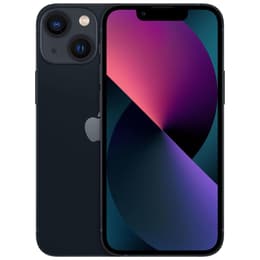
iPhone 13 mini
iPhone 13 mini
Starting at

Refurbished price:233.00

Versus €829.00 new

See options
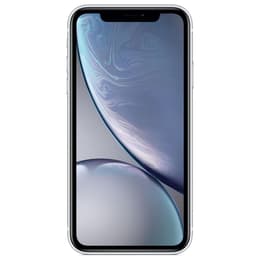
iPhone XR
iPhone XR
Starting at

Refurbished price:122.00

Versus €439.00 new

See options

Ratings

The iPhone 13 Mini, released in September 2021, and the iPhone XR, launched in October 2018, represent different eras in Apple's smartphone design philosophy. While the iPhone 13 Mini offers a compact form factor with updated internal components and camera capabilities, the iPhone XR provides a larger display experience from an earlier generation. Both devices operate on Apple's iOS ecosystem, but their age difference leads to notable distinctions in performance, display technology, and software longevity.

Scores

Durability

The practical lifespan of a smartphone is often determined by its software support and physical durability. These two models, separated by three years, offer different expectations in this regard.

  • Release Timeline and OS Support: The iPhone 13 Mini, released in September 2021, launched with iOS 15 and is expected to receive major software updates until approximately 2031, with hardware support extending to around 2028. The iPhone XR, released in October 2018, launched with iOS 12 and received its last major iOS update with iOS 18. While it continues to receive security updates, it will not support newer iOS versions like iOS 26, which was released in Fall 2025.
  • Repairability: The iPhone 13 Mini initially received a repairability score of 5 out of 10, which later improved to 6 out of 10 after a software update addressed Face ID repair issues. However, its repair process can be complex due to adhesive use and specific tool requirements. The iPhone XR generally scores 6 out of 10 for repairability, with its modular display making screen replacements relatively straightforward compared to some other devices.
  • Expected Practical Lifespan: Users prioritizing the latest software features and extended support will find the iPhone 13 Mini offers a longer runway. The iPhone XR, while still functional for daily tasks, has entered a phase where it will no longer receive new iOS features, though it continues to support most existing applications.

Year of Release

2021

2018

Compatible with latest Update

Yes

Yes

OS

iOS

iOS

Foldable

No

No

Performance

The internal processing power and memory configurations significantly influence how smoothly a device handles applications and multitasking.

  • Processor Capabilities: The iPhone 13 Mini features a more recent generation processor, which allows for noticeably faster app loading times, smoother transitions between applications, and more efficient handling of graphically intensive games and demanding tasks. The iPhone XR, with its older processor, capably manages everyday applications and general browsing, but users may experience slower performance with newer, more resource-intensive apps or during heavy multitasking.
  • Storage and Responsiveness: The iPhone 13 Mini starts with 128GB of internal storage, offering more base capacity for apps, photos, and videos, and is available with up to 512GB. The iPhone XR typically offers 64GB or 128GB storage options. The increased RAM in the iPhone 13 Mini also contributes to better multitasking, allowing more applications to remain active in the background without needing to reload.
  • Battery Behavior: Despite its smaller physical battery capacity, the iPhone 13 Mini's more efficient processor and display technology contribute to improved battery endurance compared to its predecessor, often lasting a full day for moderate users. The iPhone XR, known for its strong battery life at its release, can also provide a full day of use for many, though its older components are less power-efficient than those in the 13 Mini.

Memory

4 GB

3 GB

Screen quality

The display is a primary interface for interaction, and differences in technology and specifications can greatly impact the visual experience.

  • Display Technology and Clarity: The iPhone 13 Mini features a 5.4-inch Super Retina XDR OLED display, which delivers deep blacks, high contrast, and vibrant colors. The iPhone XR uses a 6.1-inch Liquid Retina HD LCD display, offering good color accuracy but with less contrast and brightness compared to OLED technology. The 13 Mini's higher pixel density results in sharper text and more detailed images.
  • Brightness and Viewing Experience: The iPhone 13 Mini's display can reach significantly higher brightness levels, making it easier to view content clearly in bright outdoor conditions. Both phones have a standard 60Hz refresh rate, providing a consistent scrolling experience. The larger screen size of the iPhone XR offers a more expansive viewing area for media consumption, while the 13 Mini's compact display is designed for easier one-handed use and portability.
  • Screen Size and Practicality: The 13 Mini's 5.4-inch screen is ideal for users who prefer a smaller device that fits comfortably in a pocket or can be operated with one hand. The XR's 6.1-inch screen provides more screen real estate, which can be beneficial for reading, gaming, and watching videos, offering a more immersive experience for those who do not prioritize a compact form.

Resolution

1080 x 2340

828 x 1792

Screen type

Super Retina XDR OLED

Liquid Retina IPS LCD

Audiovisual

Camera systems are a key differentiator, influencing the quality of photos and videos captured in various conditions.

  • Camera System Capabilities: The iPhone 13 Mini features a dual 12MP camera system with a wide and an ultra-wide lens, offering more versatility for different types of shots. It includes advanced features like Sensor-shift optical image stabilization on the wide lens for improved stability and low-light performance. The iPhone XR has a single 12MP wide camera with optical image stabilization.
  • Photography Performance: The iPhone 13 Mini excels in low-light photography, producing brighter and more detailed images with less noise. It also introduces Photographic Styles for personalized image tuning and Cinematic mode for video recording with shallow depth of field. The iPhone XR's single camera performs well in good lighting conditions and offers Portrait mode, though it is limited to detecting human faces.
  • Video Recording and Audio: Both devices are capable of recording 4K video at 60 frames per second. The iPhone 13 Mini's video capabilities are enhanced by Cinematic mode, providing a more professional look. Both phones offer good microphone quality for calls and recordings, and their stereo speakers provide a decent audio experience for media consumption.

Main camera

12 megapixels

12 megapixels

Front camera

12 megapixels

7 megapixels

Miscellaneous

Beyond core features, several practical elements contribute to the overall user experience and device utility.

  • Connectivity and Ports: The iPhone 13 Mini supports 5G cellular connectivity, offering faster download and upload speeds in supported areas, alongside Wi-Fi 6. The iPhone XR supports 4G LTE and Wi-Fi 5. Both devices utilize the Lightning port for charging and data transfer.
  • Sensors and Biometrics: Both models feature Face ID for secure facial recognition, enabling quick unlocking and authentication for payments and apps. Neither device includes a fingerprint sensor.
  • Weight, Dimensions, and Build: The iPhone 13 Mini is significantly smaller and lighter, weighing 141g with dimensions of 131.5 x 64.2 x 7.65 mm, making it highly portable. The iPhone XR is larger and heavier at 194g, with dimensions of 150.9 x 75.7 x 8.3 mm. The 13 Mini features a Ceramic Shield front cover for enhanced durability and an IP68 rating for water and dust resistance, while the XR has an IP67 rating.

Weight

140 g

194 g

Screen size (in)

5.4

6.1

Network

5G

4G

SIM card

Physical SIM + eSIM

Physical SIM + eSIM

Carrier compatibility

Unlocked

Unlocked

Connector

Lightning

Lightning

The iPhone 13 Mini and iPhone XR cater to different user preferences, largely due to their generational gap and design philosophies. Users often praise the iPhone 13 Mini for its powerful performance in a compact form factor, its advanced camera system with excellent low-light capabilities, and its vibrant OLED display. However, some users note that its smaller battery, while improved over its predecessor, might still require careful management for heavy usage. The iPhone XR is frequently lauded for its robust battery life and larger display, offering a more expansive viewing experience. Its single camera was considered strong for its time, though it lacks the versatility and advanced features of newer models. Criticisms often point to its LCD display not matching the contrast of OLED screens and its older processor showing its age with demanding applications.

Users prioritizing a highly portable device with modern performance, advanced camera features, and longer software support will find the iPhone 13 Mini well-suited to their needs. Its compact size makes it ideal for one-handed operation and easy pocketability. Conversely, individuals who prefer a larger screen for media consumption and value extended battery life for general use, and who do not require the latest software features, may lean toward the iPhone XR. Both devices offer a reliable Apple experience, and choosing between them depends on whether a user prioritizes cutting-edge features in a small package or a larger display with solid, albeit older, performance. For those seeking an eco-friendly alternative, quality-assured refurbished options for both models are available, providing a sustainable choice for extending the life of these devices.

See all articles

Our recent comparisons