
iPhone

Compare models
Differences at a glance
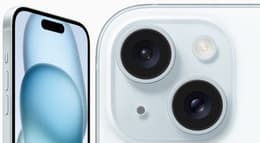
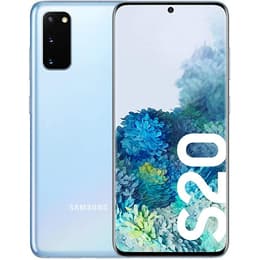
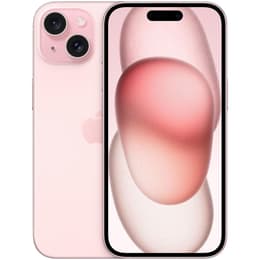
The Samsung Galaxy S20, released in early 2020, and the Apple iPhone 15, launched in late 2023, represent different generations and operating systems within the smartphone landscape. While the Galaxy S20 runs on Android, offering a customizable experience, the iPhone 15 operates on Apple's iOS, known for its integrated ecosystem. Key differences lie in their release timelines, display technologies, and camera systems, catering to varying user preferences.
Colour
Storage
When considering the longevity of a smartphone, factors such as software support, physical resilience, and ease of repair play a significant role. The Galaxy S20, having been released in March 2020, has reached the end of its official software update cycle, with support concluding around April 2025. In contrast, the iPhone 15, released in September 2023, is guaranteed a minimum of five years of software support, extending until at least September 2028. Both devices feature an IP68 rating for dust and water resistance, indicating a similar level of protection against environmental elements.
Year of Release
Compatible with latest Update
OS
Foldable
Performance in smartphones is influenced by the internal processing components, how efficiently the operating system utilizes them, and battery capacity. The Galaxy S20, depending on the region, is powered by either a Samsung Exynos 990 or a Snapdragon 865 processor, paired with 8GB or 12GB of RAM. The iPhone 15 features Apple's A16 Bionic chip and 6GB of RAM. These differences translate into varying experiences for demanding applications and multitasking.
The visual experience on a smartphone is largely defined by its display technology, resolution, and refresh rate. The Samsung Galaxy S20 features a 6.2-inch Dynamic AMOLED 2X display with a resolution of 1440x3200 pixels and supports a 120Hz refresh rate, though this is typically at a lower resolution. The iPhone 15 comes with a 6.1-inch Super Retina XDR OLED display, offering a resolution of 1179x2556 pixels and a standard 60Hz refresh rate.
Resolution
Screen type
Camera capabilities are a significant consideration for many users, encompassing the hardware, software processing, and overall image and video quality. The Samsung Galaxy S20 features a triple rear camera system with a 12-megapixel main sensor, a 64-megapixel telephoto lens, and a 12-megapixel ultrawide lens, alongside a 10-megapixel front camera. The iPhone 15 is equipped with a dual-camera setup, including a 48-megapixel main camera with 2x telephoto zoom capabilities and a 12-megapixel ultrawide camera, complemented by a 12-megapixel front camera.
Main camera
Front camera
Beyond core features, practical elements like connectivity, physical design, and additional sensors contribute to the overall user experience. The Galaxy S20 supports 5G connectivity (in some models), Wi-Fi 6, and Bluetooth 5.0, featuring a USB Type-C port. It includes an in-display fingerprint sensor and face unlock. The iPhone 15 also supports 5G, Wi-Fi 6 (802.11ax), and Bluetooth 5.3, and notably features a USB Type-C port, a shift from previous iPhone models. It relies on Face ID for biometric authentication.
Weight
Screen size (in)
Network
SIM card
Carrier compatibility
User feedback for the Samsung Galaxy S20 often praises its vibrant display with a high refresh rate and versatile camera system, particularly its telephoto capabilities. However, common criticisms have included concerns about battery drain over time, occasional UI lag, and some display anomalies like green or pink lines. For the iPhone 15, users appreciate its powerful processor, bright OLED display, and the improved main camera. Initial concerns around overheating during intensive tasks and the 60Hz refresh rate being a noticeable downgrade for some coming from higher refresh rate phones have been noted.
Users prioritizing a high refresh rate display for smoother interactions and a more customizable Android experience may find the Galaxy S20 appealing, especially if they value a dedicated telephoto lens. Those who prefer a streamlined operating system, a longer period of software updates, and robust performance for demanding applications will likely lean towards the iPhone 15. The iPhone 15 also offers a brighter screen for outdoor visibility and a more repairable design. Considering a quality-assured refurbished option for either device can be an eco-friendly alternative for consumers.