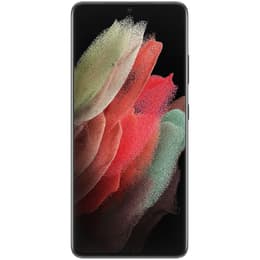
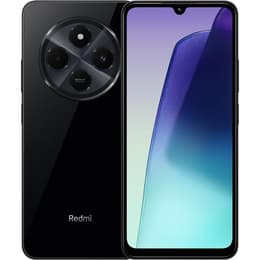


Galaxy S21 Ultra 5G Vs Xiaomi Redmi 14C

Galaxy S21 Ultra 5G
Galaxy S21 Ultra 5G
Starting at

Refurbished price:228.00

Versus €1,297.00 new

See options
Xiaomi Redmi 14C
Xiaomi Redmi 14C
Starting at

Refurbished price:128.20

Versus €189.00 new

See options

Ratings

The Samsung Galaxy S21 Ultra 5G, released in January 2021, and the Xiaomi Redmi 14C, launched in August 2024, represent different segments of the smartphone market. While the Galaxy S21 Ultra 5G was a premium device at its launch, the Redmi 14C is positioned as a more accessible option. These devices offer distinct experiences, primarily differing in their display technology, camera capabilities, and overall performance.

Scores

Durability

The longevity of a smartphone is influenced by its release timeline, software support, and physical durability.

  • Release Timeline: The Galaxy S21 Ultra 5G was released in January 2021, making it an older device compared to the Redmi 14C, which launched in August 2024. This age difference impacts their respective software support cycles.
  • Software Support: The Galaxy S21 Ultra 5G launched with Android 11 and received its final major OS update, Android 15 (One UI 7.0), in May 2025. Security updates for the S21 Ultra series are expected to conclude around February 2026. [16, 19, 25, 30] In contrast, the Redmi 14C shipped with Android 14 (HyperOS) and has already been updated to Android 15. [1, 9, 31] It is expected to receive at least two years of OS updates and four years of security updates, offering a longer period of ongoing software support from its release date. [4, 8, 9]
  • Repairability: The Galaxy S21 Ultra 5G received a low repairability score of 3 out of 10 from iFixit, largely due to the extensive use of adhesive for its battery, display, and rear panel, making disassembly challenging. [10, 21, 28, 29, 33] The Redmi 14C, however, has an average repairability score of 6.0 out of 10, with some components being more accessible, though adhesive is still used for the back cover and battery. [3]

Year of Release

2021

2024

Compatible with latest Update

Yes

Yes

OS

Android

Android

Foldable

No

No

Performance

Performance varies significantly between these two devices, reflecting their different design philosophies and target users.

  • Processing Power: The Galaxy S21 Ultra 5G features a high-end processor from its generation, enabling it to handle demanding applications, intensive multitasking, and graphic-heavy games with smooth responsiveness. [6, 12, 20, 32] The Redmi 14C is equipped with a processor designed for everyday tasks, social media browsing, and light gaming. While it performs smoothly for these activities, users might experience minor stutters when running multiple apps simultaneously or engaging in very demanding tasks. [4, 5, 7, 8, 11, 13, 41]
  • Storage and Multitasking: The Galaxy S21 Ultra 5G offers higher RAM configurations, up to 16GB, alongside substantial internal storage options, contributing to its robust multitasking capabilities and overall system fluidity. [6, 12, 23, 34] The Redmi 14C comes with up to 8GB of RAM and includes a dedicated microSD card slot for expandable storage, which is beneficial for users who need more space for media and files. [1, 2, 4, 7, 8, 13, 24, 34]
  • Battery Behavior: The Galaxy S21 Ultra 5G has a 5000mAh battery, which generally provides a full day of use for most users, though heavy usage, especially with its high-resolution, high-refresh-rate display, may necessitate an earlier charge. [18, 20, 26, 27, 32] The Redmi 14C features a slightly larger 5160mAh battery. While it can last a full day, some user reports indicate its real-world endurance might be below average for its segment, despite the capacity. [5, 7, 8, 11, 13, 41]

Memory (GB)

12 GB

4 GB

Screen quality

The visual experience on these smartphones is a key differentiator, with distinct display technologies and resolutions.

  • Display Technology and Resolution: The Galaxy S21 Ultra 5G boasts a 6.8-inch Dynamic AMOLED 2X display with a Quad HD+ resolution (3200 x 1440 pixels), resulting in sharp images, deep blacks, and vibrant colors. [6, 12, 17, 18, 20, 23, 32, 34] The Redmi 14C features a 6.88-inch IPS LCD panel with an HD+ resolution (720 x 1640 pixels). [1, 2, 4, 5, 7, 8, 13, 24, 34] This difference means the S21 Ultra 5G offers a significantly higher pixel density, providing a more detailed and refined visual experience.
  • Brightness and Refresh Rate: The Galaxy S21 Ultra 5G offers an adaptive refresh rate up to 120Hz and a peak brightness of 1500 nits, ensuring smooth scrolling and excellent visibility even in bright outdoor conditions. [20, 23, 32, 34] The Redmi 14C also features a 120Hz refresh rate, contributing to smooth interactions, and a peak brightness of 600 nits, which is suitable for typical indoor and moderate outdoor use. [1, 5, 7, 8, 13, 24, 34]
  • Viewing Experience: Users prioritizing a premium, immersive viewing experience with exceptional clarity and color accuracy will find the Galaxy S21 Ultra 5G's display more appealing. The Redmi 14C provides a large screen with a smooth refresh rate, making it suitable for casual browsing and video consumption, though with less sharpness. [5, 7, 8, 11, 13]

Resolution

1440 x 3200

720 x 1640

Screen type

Dynamic AMOLED 2X

IPS LCD

Audiovisual

The camera systems of these two phones cater to different photography needs and expectations.

  • Rear Camera System: The Galaxy S21 Ultra 5G features a versatile quad-camera setup, including a 108MP main sensor, a 12MP ultrawide lens, a 10MP telephoto lens with 3x optical zoom, and another 10MP periscope telephoto lens with 10x optical zoom. This configuration allows for exceptional detail, wide-angle shots, and significant optical zoom capabilities. [6, 12, 15, 23, 26, 27, 34] The Redmi 14C comes with a dual-camera system, primarily a 50MP main sensor, complemented by a 2MP depth sensor. [1, 2, 5, 7, 13, 24, 34] Its main camera performs well in good lighting conditions, capturing decent detail and colors. [8, 11]
  • Front Camera and Video: For selfies, the Galaxy S21 Ultra 5G has a high-resolution 40MP front camera, capable of capturing detailed self-portraits and 4K video. [12, 23, 34] It also supports 8K video recording at 24fps with its rear cameras. [15, 23, 26, 32] The Redmi 14C is equipped with a 13MP front camera, which is suitable for video calls and basic selfies. Both front and rear cameras on the Redmi 14C record video at up to 1080p at 30fps. [1, 2, 5, 7, 11, 13, 24, 34]
  • Special Features and Performance: The S21 Ultra 5G offers advanced features like 100x Space Zoom (though 30x is more practical) and enhanced low-light performance, making it a strong choice for diverse photographic scenarios. [26, 32] The Redmi 14C's camera system is designed for everyday photography, with users reporting good results in well-lit environments but some struggles in darker conditions. [11]

Main camera

108 megapixels

50 megapixels

Front camera

40 megapixels

13 megapixels

Miscellaneous

Beyond core performance, several practical elements contribute to the overall user experience of these devices.

  • Connectivity and Ports: The Galaxy S21 Ultra 5G supports 5G connectivity, Wi-Fi 6E, and Bluetooth 5.2, offering faster network speeds and advanced wireless capabilities. [6, 23, 34] It features a USB-C 3.2 port. [23] The Redmi 14C is a 4G device, supporting Wi-Fi 5 and Bluetooth 5.4, and includes a USB Type-C port. [1, 4, 7, 8, 13, 24, 34] The Redmi 14C also retains a 3.5mm headphone jack, which is absent on the S21 Ultra 5G. [7, 23, 24, 26]
  • Biometrics and Design: The Galaxy S21 Ultra 5G features an under-display fingerprint sensor and supports face recognition. [6, 21, 23] It has a premium build with Gorilla Glass Victus on both the front and back, and an aluminum frame, along with an IP68 rating for water and dust resistance. [10, 20, 23, 34] The Redmi 14C includes a side-mounted fingerprint sensor and face unlock. [1, 4, 7, 24] Its design incorporates a glass front, plastic frame, and either a glass or eco-leather back, but lacks an official IP rating. [2, 5, 7, 13, 24]
  • Dimensions and Handling: The Galaxy S21 Ultra 5G weighs 228g and measures 165.1 x 75.6 x 8.9 mm. [12] The Redmi 14C is slightly lighter at 204-211g and has dimensions of 171.9 x 77.8 x 8.2 mm, making it a larger device overall. [2, 7, 8, 13, 24, 34]

Weight

227 g

207 g

Screen size (in)

6.8

6.88

Network

5G

4G

SIM card

Physical SIM + eSIM

Dual Physical SIM

Carrier compatibility

Unlocked

Unlocked

Connector

USB-C

USB-C

The Samsung Galaxy S21 Ultra 5G and the Xiaomi Redmi 14C cater to different user needs and preferences, largely due to their distinct market positioning and release timelines. The S21 Ultra 5G, a former flagship, is praised for its exceptional camera system, particularly its versatile zoom capabilities, and its vibrant, high-resolution AMOLED display. [12, 18, 20, 26] Users often highlight its powerful performance for demanding tasks and its premium build quality. However, some criticisms include its relatively low repairability score and the fact that its software update cycle is nearing its end. [10, 28, 30]

The Xiaomi Redmi 14C, a more recent entry-level device, receives commendation for its large 120Hz display, which offers smooth scrolling, and its dependable battery life for everyday use. [5, 7, 8, 11, 13] Users appreciate its inclusion of a 3.5mm headphone jack and expandable storage. Common concerns sometimes revolve around its HD+ display resolution, which is lower than many premium devices, and its performance for very intensive applications. [5, 7, 8, 11, 13, 41]

Users prioritizing a high-end camera experience, a stunning display, and robust performance for intensive applications may find the Galaxy S21 Ultra 5G well-suited to their needs. Conversely, users who value a large, smooth display for daily browsing, extended battery life for moderate use, and features like a headphone jack and expandable storage will likely lean towards the Redmi 14C. For those considering a quality-assured refurbished option, both devices offer an eco-friendly alternative to purchasing new, allowing users to align their technology choices with sustainable practices.


See all articles

Our recent comparisons







