
iPhone

Compare models
Differences at a glance
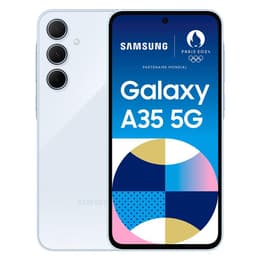
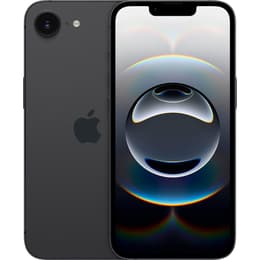
The Samsung Galaxy A35, released in March 2024, and the iPhone 16E, launched in February 2025, represent distinct approaches to smartphone design and functionality. While the Galaxy A35 operates within the Android ecosystem, offering a versatile camera system and a large, fluid display, the iPhone 16E runs on Apple's iOS, featuring a powerful processor and a streamlined user experience. A key differentiator is their respective operating systems and the ecosystems they belong to, influencing everything from app availability to long-term software support.
Colour
Storage
When considering the long-term usability of these devices, their release timelines and software support policies are important factors. The Samsung Galaxy A35 was released in March 2024, and Samsung typically provides a commitment of four generations of Android OS updates and five years of security patches for its A-series devices. However, some newer A-series models are now receiving six years of updates, suggesting a potential shift in policy for future devices. The iPhone 16E, launched in February 2025, was discontinued in March 2026, replaced by the iPhone 17e. Despite its short retail availability, Apple is known for providing major iOS updates for approximately five to seven years after a device's release, with security updates often extending even longer.
Year of Release
OS
Foldable
The performance of a smartphone is crucial for daily operations, from launching applications to handling demanding tasks. Both the Galaxy A35 and iPhone 16E are equipped with capable internal components designed for smooth user experiences.
The display is a primary interface for smartphone interaction, and both devices offer distinct viewing experiences tailored to their respective designs.
Resolution
Camera capabilities are a significant consideration for many users, and these two smartphones approach photography with different hardware configurations and software optimizations.
Front camera
Beyond core features, several practical elements contribute to the overall user experience and daily convenience of a smartphone.
Weight
Screen size (in)
Network
SIM card
Carrier compatibility
Connector
The Samsung Galaxy A35 and iPhone 16E cater to different user preferences, each offering a distinct set of strengths. User feedback for the Galaxy A35 often praises its vibrant Super AMOLED display with a high refresh rate, its long-lasting battery, and the versatility of its main camera in good lighting conditions. Criticisms sometimes point to the less impressive performance of its ultrawide and macro cameras, and occasional minor performance lags with demanding applications.
For the iPhone 16E, users appreciate its powerful processor, which ensures smooth performance and access to advanced features like Apple Intelligence. Its compact design, durable build, and consistent camera performance are also frequently highlighted. Some users might find the 60Hz refresh rate less fluid compared to higher refresh rate displays, and the single rear camera, while capable, offers less photographic versatility than multi-lens setups. The fact that the iPhone 16E was discontinued shortly after its release in favor of the iPhone 17e might be a consideration for some users, though Apple's long-term software support remains a strong point.
Users prioritizing a larger, smoother display and expandable storage may find the Galaxy A35 well-suited to their needs. Those who value a compact device with a powerful processor, a streamlined operating system, and extended software support, along with advanced facial recognition and a robust build, might lean towards the iPhone 16E. Both devices offer compelling features, and choosing between them often comes down to individual preferences for operating system, camera versatility, and display characteristics. For those seeking an eco-friendly alternative, quality-assured refurbished options for both models can provide a sustainable choice.