


Compare models
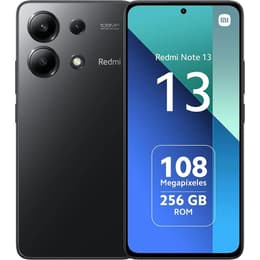
Galaxy A55 Vs Xiaomi Redmi Note 13 4G
- 1-year minimum warranty
- Free delivery on all orders
- Free 30-day returns
Differences at a glance
The Samsung Galaxy A55 (2024) and the Xiaomi Redmi Note 13 4G (2024) represent two popular mid-range smartphone options designed for everyday mobile users. While both devices deliver essential connectivity and modern feature sets, the Samsung Galaxy A55 focuses on a robust metal-and-glass build and long-term software support, whereas the Xiaomi Redmi Note 13 4G prioritizes an accessible multimedia experience with a high-refresh-rate screen. Both devices run on Android-based operating systems, though each manufacturer applies a distinct interface layer that shapes the user experience.
Available Models
Colour
Storage (GB)
Scores
Durability
When evaluating durability and expected lifespan, these two devices offer different timelines for software longevity and physical resilience during daily routines.
- Software longevity and update support: The Samsung Galaxy A55 provides a multi-year commitment to operating system updates and security patches, extending its usable lifecycle significantly. The Xiaomi Redmi Note 13 4G offers a more standard support window, requiring users to upgrade earlier if they want the latest software features.
- Build materials and physical protection: The Galaxy A55 utilizes aluminum sides and glass protection, offering higher resistance to accidental drops and water immersion. The Redmi Note 13 4G features a plastic frame with basic splash resistance, meaning it requires careful handling near water or rough surfaces.
Year of Release
2024
2024
Compatible with latest Update
Yes
Yes
OS
Android
Android
Foldable
No
No
Performance
Performance capabilities vary noticeably between these two models when handling multitasking, demanding applications, and daily power management.
- Multitasking and app responsiveness: The Galaxy A55 handles intensive multitasking, demanding applications, and heavy background processes smoothly without noticeable stutter. The Xiaomi Redmi Note 13 4G manages daily communication and web browsing adequately, though heavy gaming or rapid app switching can cause occasional loading delays.
- Battery behavior and daily endurance: Both devices house large batteries capable of lasting through a full day of mixed use, but power efficiency optimization allows the Galaxy A55 to retain charge slightly longer under heavy workloads.
Screen quality
Display characteristics shape the visual experience for media consumption, outdoor viewing, and daily interaction across both handsets.
- Display technology and clarity: Both smartphones utilize vibrant OLED panels that deliver deep contrast levels and sharp text rendering. The Galaxy A55 maintains higher peak brightness levels, making outdoor visibility comfortable under direct sunlight, while the Redmi Note 13 4G offers a smooth high-refresh-rate screen that enhances scrolling fluidity.
- Size and viewing ergonomics: The physical dimensions offer expansive viewing surfaces for watching videos or reading documents, though slight variations in bezel thickness affect overall device handling.
Resolution
1080 x 2340
1080 x 2400
Screen type
Super AMOLED
AMOLED
Audiovisual
Imaging hardware and audio output configurations determine how well each smartphone captures memories and delivers media playback.
- Photography and video recording: The Galaxy A55 features reliable main and ultra-wide sensors that capture balanced details in varied lighting conditions, alongside steady video stabilization. The Redmi Note 13 4G performs adequately in daylight photography, though low-light imagery shows reduced detail and increased digital noise.
- Audio and media output: Both models include stereo speaker setups suitable for casual video viewing, though neither features a traditional headphone jack, encouraging the use of wireless audio accessories.
Main camera
50 megapixels
108 megapixels
Front camera
32 megapixels
16 megapixels
Miscellaneous
Practical daily features, connectivity standards, and physical dimensions define the overall usability of each device in real-world environments.
- Connectivity and local standards: The Galaxy A55 includes modern 5G connectivity for faster cellular data speeds, while the Redmi Note 13 4G is restricted to 4G networks. Both support standard Wi-Fi and Bluetooth protocols for accessory pairing.
- Security and handling weight: Each model incorporates an in-display fingerprint sensor alongside facial recognition features. The Galaxy A55 feels heavier due to its dense glass and metal construction, whereas the Redmi Note 13 4G offers a lighter feel in the hand.
Weight
213 g
175 g
Screen size (in)
6.6
6.67
Network
5G
4G
SIM card
Dual Physical SIM
Dual Physical SIM
Carrier compatibility
Unlocked
Unlocked
Connector
USB-C
USB-C
What the community thinks
User feedback from online communities highlights distinct preferences for each device based on daily priorities. Owners of the Samsung Galaxy A55 frequently praise its sturdy physical construction, reliable camera performance, and extended software update timeline. Common criticisms focus on its heavier weight and lack of a charger in the box. Conversely, users of the Xiaomi Redmi Note 13 4G appreciate the smooth screen refresh rate and straightforward everyday utility, while noting limitations in processing power during demanding tasks and the absence of 5G connectivity.
Users prioritizing long-term software support, premium build materials, and robust multitasking capability may prefer the Samsung Galaxy A55. Meanwhile, users focusing primarily on a smooth display and essential smartphone functions for standard daily communication may lean toward the Xiaomi Redmi Note 13 4G. For those seeking a sustainable choice, both models are widely available as quality-assured refurbished options that extend device lifecycles and reduce electronic waste.