
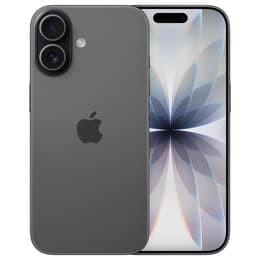


Galaxy A23 5G Vs iPhone 17

Galaxy A23 5G
Galaxy A23 5G
Starting at

Refurbished price:102.00

Versus €600.00 new

See options
iPhone 17
iPhone 17
Starting at

Refurbished price:700.00

Versus €979.00 new

See options

Ratings

The Samsung Galaxy A23 5G, released in August 2022, is a mid-range Android smartphone designed for everyday use, offering a balance of features and accessibility. In contrast, the iPhone 17, a hypothetical flagship device expected in late 2025, represents the pinnacle of Apple's smartphone technology. These devices cater to different user ecosystems and priorities, with the Galaxy A23 5G focusing on essential functionality within the Android platform, while the iPhone 17 is anticipated to deliver cutting-edge performance and advanced features within the iOS environment.

Scores

Durability

The longevity of a smartphone is influenced by its initial release, software support, and physical durability. The Galaxy A23 5G and the anticipated iPhone 17 present different profiles in this regard.

  • Release Timeline and Software Support: The Galaxy A23 5G launched with Android 12 and is expected to receive two major Android OS upgrades, potentially up to Android 14 or 15, along with four years of security updates. This means its software support will likely conclude around late 2026 or early 2027. The iPhone 17, as a newer device, is expected to receive major iOS updates for approximately five to seven years from its release, with security updates often extending even longer. This extended software lifecycle typically provides a longer period of access to new features and security enhancements.
  • Repairability and Physical Durability: The Galaxy A23 5G features a plastic frame and back, with a Corning Gorilla Glass 5 front for screen protection. While its plastic construction can offer some resilience to drops, it lacks an official IP rating for water and dust resistance. Recent iPhone models, including the hypothetical iPhone 17, are expected to continue Apple's trend of using premium materials like Ceramic Shield for the front display and aerospace-grade aluminum or titanium for the frame, along with an IP68 rating for enhanced water and dust resistance. Repairability scores for recent iPhones have shown improvements, with some models achieving a 7 out of 10, indicating a more modular design for common repairs.
  • Expected Practical Lifespan: Users of the Galaxy A23 5G can expect a practical lifespan aligned with its software support, typically around 3-4 years for optimal performance and security. The iPhone 17, benefiting from longer software support and potentially more robust build quality, is likely to offer a longer practical lifespan, often extending to 5-7 years for many users.

Year of Release

2022

2025

Compatible with latest Update

Yes

Yes

OS

Android

iOS

Foldable

No

No

Performance

Performance is a key differentiator, with the Galaxy A23 5G offering capable everyday functionality and the iPhone 17 aiming for top-tier processing power.

  • Processing Capabilities: The Galaxy A23 5G is equipped with a processor designed for efficient performance in daily tasks, handling common applications and moderate multitasking smoothly. It can manage mid-range gaming, though demanding titles may require adjusted settings for optimal frame rates. The iPhone 17, as a flagship device, is expected to feature Apple's latest generation of mobile processors, which are typically engineered for industry-leading speed and efficiency. This would translate to exceptionally smooth performance across all applications, seamless multitasking, and the ability to run the most graphically intensive games and professional-grade apps without compromise.
  • Memory and Storage: The Galaxy A23 5G offers various RAM configurations, including 4GB, 6GB, and 8GB, alongside 64GB or 128GB of internal storage, with the added flexibility of microSD card expansion up to 1TB. The iPhone 17 is anticipated to come with a higher base amount of RAM, likely 8GB or more, to support its advanced operating system and demanding applications. Storage options are expected to start at 128GB or 256GB, with no option for expandable storage.
  • Battery Behavior: The Galaxy A23 5G features a 5000 mAh battery, which users report can easily last through a full day of use, and often extends to a day and a half or even two days for lighter users. It supports 25W fast charging. The iPhone 17 is expected to offer excellent battery life, optimized through hardware and software integration to provide all-day power for most users, along with fast charging capabilities and MagSafe wireless charging.

Memory (GB)

4 GB

8 GB

Screen quality

The visual experience varies significantly between these two devices, primarily due to differences in display technology and resolution.

  • Display Technology and Clarity: The Galaxy A23 5G features a 6.6-inch PLS LCD display with a resolution of 1080 x 2408 pixels (FHD+). This technology provides clear images and good viewing angles, suitable for casual video watching and general browsing. The iPhone 17 is expected to incorporate an advanced OLED display, offering superior contrast, true blacks, and more vibrant colors compared to an LCD panel. Its resolution is likely to be higher, resulting in sharper text and more detailed images.
  • Refresh Rate and Smoothness: The Galaxy A23 5G boasts a 120Hz refresh rate, contributing to smoother scrolling and a more fluid user experience, particularly noticeable during navigation and some gaming. The iPhone 17 is anticipated to feature a ProMotion OLED display with an adaptive refresh rate up to 120Hz, which dynamically adjusts based on content to provide both smooth visuals and improved power efficiency.
  • Brightness and Viewing Experience: While the Galaxy A23 5G's display is bright enough for indoor use, some users note it can struggle with visibility in direct sunlight. The iPhone 17's OLED display is expected to offer significantly higher peak brightness levels, ensuring excellent readability and a more immersive viewing experience even in bright outdoor conditions.

Resolution

1080 x 2408

2622x1206

Screen type

PLS LCD

Super Retina XDR

Audiovisual

Camera capabilities differ substantially, reflecting the distinct market segments and technological advancements of each device.

  • Camera System Configuration: The Galaxy A23 5G features a quad-camera setup on the rear, including a 50MP main sensor with Optical Image Stabilization (OIS), a 5MP ultrawide lens, a 2MP macro lens, and a 2MP depth sensor. The front camera is 8MP. The iPhone 17 is expected to come with an advanced dual-camera system, typically consisting of a high-resolution main sensor and an ultrawide lens, both with significant generational improvements in sensor technology and computational photography. Its front-facing TrueDepth camera system is also expected to be highly capable.
  • Photography Performance: The Galaxy A23 5G's 50MP main camera performs well in bright lighting conditions, capturing colorful and detailed images. However, its ultrawide and macro lenses are more suited for casual snapshots, and low-light performance is less impressive. The iPhone 17 is anticipated to deliver exceptional image quality across various lighting conditions, with advanced low-light capabilities, improved dynamic range, and precise detail capture, leveraging its powerful processor for computational photography enhancements.
  • Video Recording and Audio: The Galaxy A23 5G records video at up to 1080p resolution at 30 frames per second (fps) for both its main and selfie cameras, lacking 4K or 60fps options. Its single bottom-firing speaker provides adequate audio for media consumption. The iPhone 17 is expected to offer high-quality video recording, likely up to 4K at 60fps, with advanced stabilization, cinematic modes, and superior audio capture through multiple microphones. Its stereo speakers are expected to provide a rich and immersive audio experience.

Main camera

50 megapixels

48 megapixels

Front camera

8 megapixels

18 megapixels

Miscellaneous

Beyond core features, practical elements like connectivity, ports, and build materials contribute to the overall user experience.

  • Connectivity and Ports: The Galaxy A23 5G supports 5G connectivity (sub-6GHz), Wi-Fi 5, and Bluetooth 5.1. It includes a USB-C port for charging and data transfer, and notably retains a 3.5mm headphone jack. The iPhone 17 is expected to feature more advanced connectivity, including the latest 5G standards, Wi-Fi 6E or Wi-Fi 7, and the newest Bluetooth version. It will likely utilize a USB-C port for charging and data, potentially with faster transfer speeds, but will not include a 3.5mm headphone jack.
  • Sensors and Biometrics: The Galaxy A23 5G incorporates a side-mounted fingerprint sensor integrated into the power button, which offers reliable and quick unlocking, along with facial recognition. The iPhone 17 is anticipated to continue using Apple's Face ID for secure facial recognition, and may also integrate an under-display fingerprint sensor for additional biometric options.
  • Weight, Dimensions, and Build Materials: The Galaxy A23 5G weighs around 197 grams and features a plastic construction for its back and frame, which contributes to its durability against drops but does not offer a premium feel. The iPhone 17 is expected to maintain a premium build with materials like Ceramic Shield glass on the front, a glass back, and an aerospace-grade aluminum or titanium frame, providing a more substantial in-hand feel and enhanced durability. Its weight and dimensions will likely be optimized for comfortable handling.

Weight

197 g

177 g

Screen size (in)

6.6

6.3

Network

5G

5G

SIM card

Dual Physical SIM

eSIM

Carrier compatibility

Unlocked

Unlocked

Connector

USB-C + Jack 3.5mm

USB-C

The Samsung Galaxy A23 5G and the hypothetical iPhone 17 cater to distinct user needs and expectations, reflecting their different market positions and release timelines. User feedback for the Galaxy A23 5G often praises its long battery life, the smoothness of its 120Hz display for its category, and its capable main camera in good lighting conditions. Criticisms sometimes point to the less impressive performance of its ultrawide and macro cameras, its plastic build, and its performance not being suited for very demanding applications.

For the iPhone 17, based on typical generational improvements, users would anticipate a device with exceptional processing power, a highly advanced camera system, and a premium design. Potential criticisms might revolve around the absence of a headphone jack or expandable storage, which are common trade-offs in flagship devices. Consensus opinions for new iPhones generally highlight their robust ecosystem, long-term software support, and strong integration of hardware and software.

Users prioritizing a device for essential daily communication, media consumption, and moderate app usage, who also value a long-lasting battery and expandable storage, may find the Galaxy A23 5G well-suited to their needs. Its inclusion of a 3.5mm headphone jack is also a consideration for some. Conversely, users who prioritize cutting-edge performance, advanced photography and videography capabilities, a premium build, and a longer software support lifespan will likely lean toward a device like the iPhone 17. This device would appeal to those deeply integrated into the Apple ecosystem or professionals requiring top-tier mobile computing power.

For those considering either option, exploring quality-assured refurbished alternatives can provide an eco-friendly choice, offering access to these devices while supporting sustainable consumption.


See all articles

Our recent comparisons






