

Compare models
Google Pixel 10 Pro Vs iPhone Air
- 1-year minimum warranty
- Free delivery on all orders
- Free 30-day returns
Differences at a glance
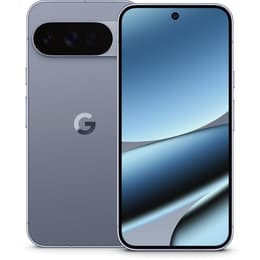
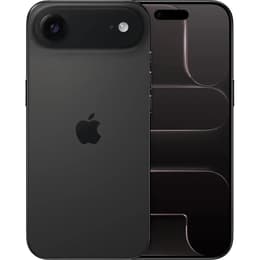
The Google Pixel 10 Pro (2025) and the Apple iPhone Air (2025) represent two distinct approaches to modern flagship smartphone design. While the Google Pixel 10 Pro focuses on a feature-rich, versatile configuration with advanced software integration, the iPhone Air prioritizes an ultra-slim, lightweight profile and streamlined usability. Operating on Android and iOS respectively, these devices cater to users looking for top-tier everyday performance housed within completely different physical form factors.
Available Models
Colour
Storage (GB)
Scores
Durability
Both smartphones launched in late 2025, offering modern hardware longevity and multi-year software backing, though their build profiles and update models differ slightly.
- Software Support: Google provides extended operating system and security updates for several years, matching Apple's long-standing tradition of multi-year iOS lifecycle support.
- Build Durability: The Google Pixel 10 Pro utilizes robust glass and aluminum framing with standard water resistance, whereas the iPhone Air features a grade 5 titanium frame designed to maintain rigidity despite its exceptionally thin profile.
- Repairability: Both manufacturers offer structured service paths, though the ultra-compact internal layout of the iPhone Air requires specialized handling compared to the slightly more traditional internal architecture of the Pixel.
Year of Release
2025
2025
Compatible with latest Update
Yes
Yes
OS
Android
iOS
Foldable
No
No
Performance
Underneath their exteriors, both models deliver swift execution for daily tasks, multitasking, and demanding applications, though they handle system resources through different software and hardware combinations.
- Multitasking and RAM: The Google Pixel 10 Pro handles heavy background tasks and complex on-device processing smoothly with abundant system memory, while the iPhone Air relies on optimized iOS resource management paired with high-bandwidth memory.
- Battery Behavior: The Pixel 10 Pro includes a larger physical capacity to sustain full-day intensive workflows, whereas the iPhone Air employs a leaner energy footprint to accommodate its ultra-slim chassis while still lasting through standard daily use.
- Storage Configurations: Both devices offer ample internal storage starting tiers, ensuring plenty of space for applications, media, and offline files without supporting expandable storage.
Screen quality
Visual output is a primary focal point for both devices, utilizing advanced OLED technology to deliver sharp, high-contrast imagery in various lighting conditions.
- Display Technology: The Google Pixel 10 Pro features a compact OLED panel with high peak brightness levels for clear outdoor visibility, while the iPhone Air offers a slightly larger OLED screen with rich color accuracy and deep contrast.
- Fluidity and Refresh Rate: Both models support smooth high refresh rate scrolling, ensuring fluid motion during web browsing, UI navigation, and compatible gaming applications.
- Handling and Form Factor: The Pixel 10 Pro provides a traditional, easily manageable hand-held width, whereas the iPhone Air delivers a sprawling viewing area packed into a remarkably thin, lightweight body that reduces hand fatigue during extended reading sessions.
Resolution
1280x2856
2736x1260
Screen type
LTPO OLED
Super Retina XDR
Audiovisual
The optical setups reflect contrasting philosophies, catering differently to photography enthusiasts and casual media creators alike.
- Lens Versatility: The Google Pixel 10 Pro features a flexible triple-lens array including wide, ultra-wide, and dedicated telephoto options for varied framing, while the iPhone Air streamlines photography with a single high-resolution wide lens configuration.
- Computational Processing: Google leverages deep software intelligence for versatile photo enhancement and guided shooting assistance, whereas Apple focuses on crisp default imagery, balanced dynamic range, and polished video recording stabilization.
- Media Consumption: Speaker output on both units delivers clear audio for calls and video playback, though internal space constraints in the ultra-slim iPhone Air result in a mono speaker setup compared to the stereo configuration on the Pixel.
Front camera
42 megapixels
18 megapixels
Miscellaneous
Practical daily features and physical connectivity options shape how these devices integrate into accessories and communication networks.
- Connectivity Standards: Both smartphones support modern fifth-generation cellular networks, tri-band Wi-Fi standards, and secure short-range pairing protocols.
- Charging and Ports: The Google Pixel 10 Pro utilizes a standard USB-C port alongside magnetic wireless charging compatibility, while the iPhone Air relies on a USB-C connection restricted to standard transfer speeds alongside wireless charging support.
- Physical Dimensions: The Pixel 10 Pro has a standard flagship heft and thickness, whereas the iPhone Air stands out for its record-setting thin profile and lighter overall weight, making it exceptionally unobtrusive in pockets or small bags.
Weight
207 g
165 g
Screen size (in)
6.3
6.5
Network
5G
5G
SIM card
Physical SIM + eSIM
eSIM
Carrier compatibility
Unlocked
Unlocked
Connector
USB-C
USB-C
What the community thinks
User feedback highlights distinct preferences for each device based on physical design and ecosystem priorities. Owners of the Google Pixel 10 Pro frequently praise its versatile multi-lens camera system, comprehensive on-device software utilities, and reliable all-day power capacity. Conversely, admirers of the iPhone Air often emphasize its striking featherlight construction, comfortable pocketability, and clean operating system experience. Some users note criticisms regarding the single-lens limitation on the Apple device and the heavier physical weight of the Google alternative.
Users who prioritize flexible camera focal lengths, extensive multitasking memory, and deep software assistance will find the Google Pixel 10 Pro well-suited to their workflow. Meanwhile, users who value an ultra-slim profile, minimal weight, and streamlined daily handling will lean toward the iPhone Air. For those exploring an eco-friendly, quality-assured alternative, purchasing either model through a sustainable provider like Back Market offers a reliable path to acquiring certified hardware while reducing electronic waste.