

Galaxy A15 Vs Google Pixel 6A

Galaxy A15
Galaxy A15
Starting at

Refurbished price:124.00

Versus €189.00 new

See options
Google Pixel 6A
Google Pixel 6A
Starting at

Refurbished price:143.00

Versus €459.00 new

See options

Ratings

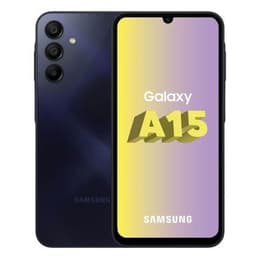
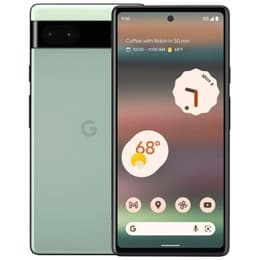
The Samsung Galaxy A15 and the Google Pixel 6a are both smartphones designed to offer a balanced experience for everyday users. The Galaxy A15, released in December 2023, focuses on a larger display and extended battery life, while the Pixel 6a, launched in July 2022, emphasizes a streamlined software experience and advanced camera capabilities. Both devices operate on the Android platform, but they offer distinct approaches to hardware and software integration.

Scores

Durability

When considering the longevity of these devices, several factors come into play, including their release timelines and software support policies.

  • Release Timeline: The Google Pixel 6a was released in July 2022, making it an older model compared to the Samsung Galaxy A15, which launched in December 2023. This difference in release dates impacts their respective software support cycles.
  • Software Longevity: The Pixel 6a was initially promised three years of OS updates and five years of security updates from its release. It is expected to receive Android OS updates until at least July 2025 and security updates until at least July 2027. The Galaxy A15, being a newer device, offers a longer support window, with Samsung committing to four generations of Android OS upgrades and five years of security patches, extending its support until Android 18 and security updates until 2028.
  • Practical Lifespan: Users prioritizing the latest software features and security patches for the longest possible duration may find the Galaxy A15's extended support more appealing. Both devices are built to withstand daily use, with the Pixel 6a featuring Corning Gorilla Glass 3 for display protection and an IP67 rating for dust and water resistance.

Year of Release

2023

2022

Compatible with latest Update

Yes

Yes

OS

Android

Android

Foldable

No

No

Performance

The performance of a smartphone is crucial for daily tasks, from app navigation to more demanding applications.

  • Processor Capabilities: The Google Pixel 6a is equipped with a processor designed by Google, which generally provides a smoother and faster experience, particularly for multitasking and more intensive applications. This integrated hardware and software approach allows for efficient handling of various tasks. The Galaxy A15 features a different processor that capably handles everyday operations and light gaming.
  • System Responsiveness: Users of the Pixel 6a often report fluid navigation and quick app loading times, benefiting from the optimized software and hardware integration. The Galaxy A15 provides a responsive experience for general use, though some users note that it may require patience with heavier workloads or extensive multitasking.
  • Battery Behavior: The Galaxy A15 typically offers a larger battery capacity (5000 mAh) compared to the Pixel 6a (4410 mAh), which can translate to longer usage between charges, especially under moderate use. The Pixel 6a's battery life is also designed to last a full day for many users, with software optimizations contributing to its endurance.

Memory (GB)

4 GB

6 GB

Screen quality

The display is a primary interface for smartphone interaction, and both devices offer distinct viewing experiences.

  • Display Technology and Clarity: The Google Pixel 6a features a 6.1-inch OLED display with a resolution of 2400 x 1080 pixels, providing vibrant colors, deep blacks, and good contrast. The Samsung Galaxy A15 comes with a larger 6.5-inch Super AMOLED display with a resolution of 2340 x 1080 pixels, also offering rich colors and good clarity.
  • Refresh Rate: A notable difference is the refresh rate; the Galaxy A15 offers a smoother 90Hz refresh rate, which can make scrolling and animations appear more fluid. The Pixel 6a has a standard 60Hz refresh rate.
  • Brightness and Viewing Experience: The Pixel 6a's OLED panel provides excellent visibility in various lighting conditions. The Galaxy A15's Super AMOLED display also offers good brightness, with some variants reaching up to 800 nits in high brightness mode, which aids outdoor visibility.

Resolution

1080 x 2340

1080 x 2400

Screen type

Super AMOLED

OLED

Audiovisual

Camera performance is a key consideration for many users, and these phones approach photography with different strengths.

  • Camera System Capabilities: The Google Pixel 6a features a dual-camera system on the rear, consisting of a 12.2MP wide lens and a 12MP ultrawide lens. The Samsung Galaxy A15 offers a triple-camera setup, typically including a 50MP main sensor, a 5MP ultrawide, and a 2MP macro lens.
  • Photography Performance: The Pixel 6a is widely recognized for its advanced computational photography, which results in sharp, vibrant photos with good detail and color accuracy, even in challenging conditions like low light. Its features like Magic Eraser and Night Sight enhance the photography experience. The Galaxy A15's camera performs adequately for casual photography, especially in good lighting, but may not match the Pixel's consistency and detail in all scenarios.
  • Video Recording and Audio: Both devices are capable of recording video, with the Pixel 6a offering 4K video recording at up to 60 frames per second. User experiences suggest the Pixel 6a generally provides a more refined overall audio-visual capture.

Main camera

50 megapixels

12.2 megapixels

Front camera

13 megapixels

8 megapixels

Miscellaneous

Beyond core features, several practical elements contribute to the overall user experience of these smartphones.

  • Connectivity: Both the Galaxy A15 and Pixel 6a support 5G connectivity, along with standard Wi-Fi and Bluetooth capabilities. The Pixel 6a also supports dual-SIM functionality with a nano SIM and eSIM.
  • Ports and Sensors: The Pixel 6a includes a USB-C port for charging and data transfer and features an in-display fingerprint sensor for authentication. The Galaxy A15 also uses a USB-C port and typically includes a side-mounted fingerprint sensor. Some variants of the Galaxy A15 retain a 3.5mm headphone jack, which the Pixel 6a lacks.
  • Physical Characteristics: The Pixel 6a is generally more compact and lighter, weighing around 178 grams with dimensions that make it comfortable for one-handed use. The Galaxy A15 is slightly larger and heavier, at approximately 200 grams, offering a bigger screen footprint. Both devices feature plastic builds for their backs and frames.

Weight

200 g

178 g

Screen size (in)

6.5

6.1

Network

4G

5G

SIM card

Dual Physical SIM

Physical SIM + eSIM

Carrier compatibility

Unlocked

Unlocked

The Samsung Galaxy A15 and Google Pixel 6a cater to slightly different user preferences, each offering a compelling set of features.

Users often praise the Pixel 6a for its exceptional camera quality, driven by Google's computational photography, and its clean, optimized Android software experience. Its compact size is also a frequent highlight for those preferring a smaller device. Some users, however, have noted the 60Hz refresh rate as a point of comparison with newer devices. The Galaxy A15 receives positive remarks for its larger display, extended battery life, and Samsung's commitment to software updates. Some feedback suggests that its performance, while adequate for daily tasks, might not be as fluid as higher-end devices when heavily multitasking.

Users prioritizing a superior camera, a streamlined Android experience, and a more compact form factor may find the Google Pixel 6a well-suited to their needs. Conversely, individuals who value a larger screen for media consumption, longer battery life, and a more extended software update policy might lean towards the Samsung Galaxy A15. Both devices represent solid choices in their category, and considering a quality-assured refurbished option for either model can provide an eco-friendly alternative for consumers.


See all articles

Our recent comparisons