

Google Pixel 6A Vs iPhone 11

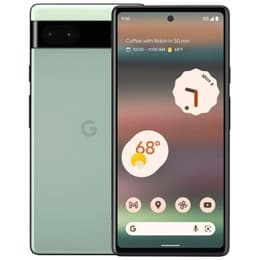
Google Pixel 6A
Google Pixel 6A
Starting at

Refurbished price:143.00

Versus €459.00 new

See options
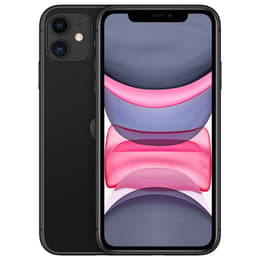
iPhone 11
iPhone 11
Starting at

Refurbished price:149.00

Versus €589.00 new

See options

Ratings

The Google Pixel 6a, released in July 2022, and the iPhone 11, launched in September 2019, represent distinct approaches to smartphone design and functionality from their respective manufacturers. While the Pixel 6a offers a modern Android experience with advanced computational photography, the iPhone 11 provides a well-established iOS ecosystem. This comparison will explore the practical differences between these two devices, helping users understand which model aligns best with their daily needs and preferences.

Scores

Durability

The longevity of a smartphone is influenced by its release date, software support, and physical resilience. The Pixel 6a, being a newer device, generally offers a longer runway for official software updates compared to the iPhone 11.

  • Software Support: The Pixel 6a is expected to receive security updates well into the late 2020s, ensuring prolonged protection and access to newer Android features. The iPhone 11, having been released in 2019, is naturally closer to the end of its major operating system update cycle, though it continues to receive security updates.
  • Physical Durability: Both devices feature robust construction. The Pixel 6a incorporates a durable composite back, while the iPhone 11 uses a glass back. Both are designed with sturdy materials, though the perception of long-term durability may vary between users.
  • Repairability: The Pixel 6a has a repairability score of 7 out of 10, indicating a relatively straightforward repair process for many components. The iPhone 11 received a repairability score of 6 out of 10, with critical display and battery repairs being prioritized in its design.

Year of Release

2022

2019

Compatible with latest Update

Yes

Yes

OS

Android

iOS

Foldable

No

No

Performance

Performance in smartphones extends beyond raw specifications, impacting how smoothly applications run and how efficiently tasks are managed. Both devices offer capable performance for everyday use, though with different underlying architectures.

  • System Responsiveness: The Pixel 6a handles demanding applications and multitasking smoothly, maintaining several apps in memory without frequent reloads, making it suitable for users who switch between various tools and social media. The iPhone 11 provides a fluid experience, with its software efficiently managing resources to ensure a responsive interface during daily activities.
  • Battery Behavior: The Pixel 6a features a larger battery capacity and includes intelligent power-saving modes, which can extend usage for heavy users throughout the day. The iPhone 11 is recognized for its ability to last through a full day of moderate use, supported by software optimizations that help maintain battery health over time.
  • Storage and Memory: The Pixel 6a comes with 6GB of RAM and a standard 128GB of internal storage. The iPhone 11 was available with 4GB of RAM and various storage options, including 64GB, 128GB, and 256GB, allowing users to select a capacity that fits their specific needs for applications and media.

Memory (GB)

6 GB

4 GB

Screen quality

The visual experience on these two smartphones differs due to their distinct display technologies and characteristics, influencing clarity, color reproduction, and outdoor visibility.

  • Display Technology and Contrast: The Pixel 6a features an OLED display, where individual pixels generate their own light, resulting in deep blacks and high contrast, particularly noticeable in dark environments or when viewing media. The iPhone 11 utilizes an LCD screen, offering natural color reproduction and consistent brightness across the panel, providing a reliable viewing experience for various content types.
  • Resolution and Clarity: The Pixel 6a offers a higher resolution of 1080 x 2400 pixels, which means text and images appear sharper, beneficial for detailed work or extensive reading. The iPhone 11 has a resolution of 828 x 1792 pixels, providing a comfortable viewing experience for general browsing and social media.
  • Brightness and Refresh Rate: Both screens are designed for legibility in bright conditions, with the iPhone 11 known for its consistent brightness levels. The Pixel 6a features a standard 60Hz refresh rate, while the iPhone 11 also operates at 60Hz, offering a smooth but not exceptionally fluid scrolling experience compared to higher refresh rate displays.

Resolution

1080 x 2400

828 x 1792

Screen type

OLED

Liquid Retina IPS LCD

Audiovisual

Both the Pixel 6a and iPhone 11 offer capable camera systems, but they approach image processing with different philosophies, leading to distinct photographic outcomes.

  • Photography Performance: The Pixel 6a excels in computational photography, with its software handling complex lighting and color balance to produce detailed images with natural skin tones, even in challenging conditions. The iPhone 11 delivers balanced images with a focus on natural-looking results and a quick shutter response, making it effective for capturing spontaneous moments.
  • Camera System: The Pixel 6a features a dual-camera setup with a 12.2-megapixel main sensor and a 12-megapixel ultrawide lens. The iPhone 11 also has a dual-camera system, comprising a 12-megapixel wide lens and a 12-megapixel ultrawide lens.
  • Video Recording and Front Camera: Both devices support 4K video recording at 60 frames per second. The iPhone 11 offers a 12-megapixel front camera capable of 4K 60fps video, while the Pixel 6a has an 8-megapixel front camera, which records at 1080p.

Main camera

12.2 megapixels

12 megapixels

Front camera

8 megapixels

12 megapixels

Miscellaneous

Beyond core performance, several practical features contribute to the overall user experience, including connectivity, physical design, and security measures.

  • Connectivity and Ports: The Pixel 6a supports 5G connectivity, offering faster mobile data speeds where available, and features a USB-C port, which is a common standard for many modern electronics. The iPhone 11 is limited to 4G LTE networks and uses Apple's proprietary Lightning port.
  • Biometric Security: The Pixel 6a incorporates an in-display fingerprint sensor for unlocking and authentication, offering a tactile security method. The iPhone 11 relies on Face ID, a facial recognition system that provides convenient unlocking by simply looking at the device.
  • Design and Handling: The Pixel 6a is slightly more compact and lighter, contributing to easier one-handed use. It has an IP67 rating for dust and water resistance. The iPhone 11 is slightly wider and heavier, with an IP68 rating for water and dust resistance.

Weight

178 g

194 g

Screen size (in)

6.1

6.1

Network

5G

4G

SIM card

Physical SIM + eSIM

Physical SIM + eSIM

Carrier compatibility

Unlocked

Unlocked

Connector

USB-C

Lightning

User feedback from community forums indicates that the Google Pixel 6a is often praised for its exceptional camera quality and its manageable, compact size. Users frequently highlight its modern feel due to 5G support and its vibrant OLED screen. However, some users have reported issues such as inconsistent battery drain, a slower fingerprint sensor, and occasional overheating under heavy load.

The iPhone 11, despite its older release, is frequently commended for its enduring reliability and smooth operation years after its launch. Users appreciate its consistent performance within the iOS ecosystem. Criticisms often point to its LCD screen's lower resolution and the absence of 5G connectivity, which are becoming more noticeable as network and content standards evolve. Some users have also experienced display issues like green tints or touchscreen failures over time, and battery degradation is a common concern for older units.

Users prioritizing a newer device with a high-contrast OLED display, 5G connectivity, and advanced computational photography may find the Pixel 6a more suitable. Those who are already integrated into the Apple ecosystem, prefer facial recognition for security, and value consistent software performance over cutting-edge features might lean towards the iPhone 11. Both smartphones remain capable choices, and considering a quality-assured refurbished option for either model can be an eco-friendly alternative to purchasing new, allowing access to these features sustainably.

See all articles

Our recent comparisons