


Compare models
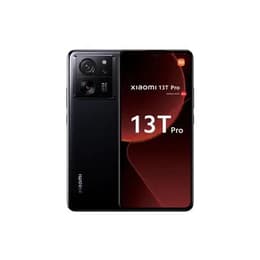
Xiaomi 13T Pro Vs Xiaomi Redmi Note 13 4G
- 1-year minimum warranty
- Free delivery on all orders
- Free 30-day returns
Differences at a glance
The Xiaomi 13T Pro (2023) and the Xiaomi Redmi Note 13 4G (2024) are distinct smartphone models designed for different segments of everyday mobile users. While the Xiaomi 13T Pro targets performance-driven users with advanced capabilities, the Xiaomi Redmi Note 13 4G serves individuals seeking an accessible device for daily communication and standard tasks. Operating on Android-based software with custom user interfaces, both models deliver reliable functionality tailored to their respective design goals.
Available Models
Colour
Storage
Scores
Durability
Software support timelines and build quality vary between these two models, influencing their expected operational lifespans and day-to-day durability.
- Software update longevity: The Xiaomi 13T Pro benefits from a multi-year update commitment covering multiple operating system upgrades, whereas the Redmi Note 13 4G features a shorter scheduled update lifecycle due to its market positioning.
- Build materials and protection: The Xiaomi 13T Pro incorporates higher-grade water resistance ratings and sturdier outer chassis materials, while the Redmi Note 13 4G relies on standard splash resistance and lighter structural assembly.
- Expected lifespan: Both devices offer solid daily reliability, though the hardware architecture of the Xiaomi 13T Pro provides better readiness for demanding future software requirements.
Year of Release
2023
2024
Compatible with latest Update
Yes
Yes
OS
Android
Android
Foldable
No
No
Performance
Processing capabilities and multitasking behaviors differ significantly, shaping how each phone handles heavy apps, games, and power management.
- App execution and multitasking: The Xiaomi 13T Pro handles intensive games and rapid app switching smoothly with minimal loading times, while the Redmi Note 13 4G is better suited for standard messaging, web browsing, and casual media consumption.
- Storage and memory configurations: The Xiaomi 13T Pro offers larger base storage tiers and ample memory capacity for large file storage, whereas the Redmi Note 13 4G provides more modest configurations focused on everyday utility.
- Battery behavior and charging: Both models manage daily power adequately, though the Xiaomi 13T Pro supports rapid charging technologies that significantly reduce downtime compared to the standard charging speeds of the Redmi Note 13 4G.
Screen quality
Viewing experiences differ in brightness levels, panel fluidity, and overall visual clarity under various environmental conditions.
- Display panel technology: Both devices utilize vibrant OLED technology that delivers rich colors and deep contrast levels, though the Xiaomi 13T Pro achieves higher peak brightness capabilities for comfortable outdoor viewing in direct sunlight.
- Refresh rate and fluidity: The Xiaomi 13T Pro features a faster refresh rate for smoother scrolling and animations, while the Redmi Note 13 4G operates at a standard refresh rate suitable for typical daily navigation.
- Resolution and sharpness: Both screens provide sharp text and clear media reproduction, making them well-suited for reading, browsing, and watching videos.
Resolution
1220 x 2712
1080 x 2400
Screen type
AMOLED
AMOLED
Audiovisual
Imaging hardware and media output capabilities reflect the distinct focus areas of each device's camera configuration.
- Photography performance: The Xiaomi 13T Pro includes a versatile multi-lens setup featuring a dedicated telephoto option and advanced low-light processing, whereas the Redmi Note 13 4G focuses on a primary sensor for clear daylight snapshots.
- Video recording features: The Xiaomi 13T Pro supports high-resolution recording formats and stabilization tools, while the Redmi Note 13 4G captures standard quality video suitable for casual sharing.
- Audio and media output: Stereo speaker configurations on the Xiaomi 13T Pro deliver balanced sound for media playback, compared to the simpler single-speaker or basic stereo arrangement found on the Redmi Note 13 4G.
Main camera
50 megapixels
108 megapixels
Front camera
20 megapixels
16 megapixels
Miscellaneous
Connectivity standards, physical handling, and hardware features dictate how these phones integrate into daily routines and travel.
- Network connectivity: The Xiaomi 13T Pro features modern 5G connectivity and advanced wireless standards, while the Redmi Note 13 4G is limited to 4G networks as its name indicates.
- Physical dimensions and handling: Both devices offer comfortable ergonomics, though weight and thickness vary slightly depending on the internal cooling systems and battery sizes housed within each chassis.
- Biometric security: Both models provide responsive biometric options including under-display fingerprint sensors and facial recognition for secure unlocking.
Weight
200 g
175 g
Screen size (in)
6.67
6.67
Network
5G
4G
SIM card
Dual Physical SIM
Dual Physical SIM
Carrier compatibility
Unlocked
Unlocked
Connector
USB-C
USB-C
What the community thinks
User feedback from online communities highlights distinct advantages for each device depending on daily usage patterns. Owners of the Xiaomi 13T Pro frequently praise its rapid performance, bright display, and quick charging capabilities, though some note that its physical footprint feels heavier during extended one-handed use. On the other hand, users of the Xiaomi Redmi Note 13 4G appreciate its reliable everyday battery longevity and straightforward interface, while noting that processing speeds can stutter during demanding multitasking tasks or heavy gaming sessions.
Users prioritizing high-end performance, advanced photography options, and fast connectivity will find the Xiaomi 13T Pro well-suited to their needs. Conversely, users seeking a dependable, straightforward device for basic daily communication, media browsing, and messaging may lean toward the Xiaomi Redmi Note 13 4G. Choosing a quality-assured refurbished option for either model provides an eco-friendly alternative that reduces electronic waste while delivering fully tested functionality. Ultimately, aligning personal tech requirements with each device's core strengths ensures a satisfying long-term smartphone experience.









