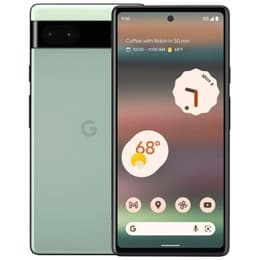


Galaxy S23 Vs Google Pixel 6A

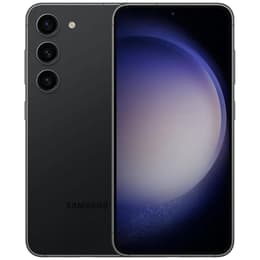
Galaxy S23
Galaxy S23
Starting at
€288.00
€959.00 new
See options
Google Pixel 6A
Google Pixel 6A
Starting at
€133.00
€399.00 new
See options

Ratings

The Samsung Galaxy S23 and the Google Pixel 6a are two Android smartphones offering different approaches to the mobile experience. The Galaxy S23, released in February 2023, is a flagship device from Samsung, while the Pixel 6a, launched in July 2022, is Google's more accessible option. Both run on the Android operating system but offer distinct software philosophies, with Samsung's One UI providing extensive customisation and Google's Pixel experience focusing on a streamlined, AI-enhanced interface.

Scores

Durability

When considering longevity, both devices offer substantial software support, though with some differences in their release timelines and protective features.

  • Release Timeline and Software Support: The Samsung Galaxy S23, released in February 2023, is promised four major Android OS updates and five years of security updates, extending its support until at least 2028. This means it is expected to receive Android 17 as its final major OS update. The Google Pixel 6a, released earlier in July 2022, originally guaranteed three years of OS updates and five years of security updates. However, Google has since extended its support for the Pixel 6a to five years for both OS and security updates from its launch date, meaning it is expected to receive OS updates until 2027, likely up to Android 17.
  • Build Materials and Durability: The Galaxy S23 features a more robust construction with Corning Gorilla Glass Victus 2 on both the front and back, alongside an aluminum frame. It boasts an IP68 rating for dust and water resistance, indicating it can withstand immersion in up to 1.5 meters of water for 30 minutes. The Pixel 6a uses Corning Gorilla Glass 3 for its display protection and has a plastic back with an aluminum frame. It has an IP67 rating, meaning it can handle immersion in up to 1 meter of water for 30 minutes. Users prioritising maximum physical durability will find the Galaxy S23 offers stronger protection.
  • Expected Practical Lifespan: Both phones are built to last several years, with their extended software support ensuring continued access to new features and security patches. The Galaxy S23's newer processor and more advanced build materials might offer a slight edge in long-term performance and physical resilience. For users who choose a quality-assured refurbished option, both devices can continue to offer reliable service for many years, making them a sustainable choice.

Year of Release

2023

2022

Compatible with latest Update

Yes

Yes

OS

Android

Android

Foldable

No

No

Performance

The performance capabilities of the Galaxy S23 and Pixel 6a differ significantly due to their respective processors and internal configurations.

  • Processor Capabilities and System Responsiveness: The Samsung Galaxy S23 is powered by the Qualcomm Snapdragon 8 Gen 2 for Galaxy, a specially optimised octa-core processor that delivers high-end performance. This results in very smooth operation, rapid app loading, and efficient handling of demanding applications and graphically intensive games. The Google Pixel 6a features Google's Tensor chip, an octa-core processor designed for excellent AI and machine learning tasks, providing a responsive experience for everyday use and Google's unique software features. While capable for daily tasks, the Pixel 6a's processor offers less raw power compared to the S23's flagship-tier chip, which power users may notice when running complex applications.
  • RAM and Storage Options: The Galaxy S23 comes with 8GB of RAM, contributing to its seamless multitasking capabilities. It offers storage options of 128GB (with UFS 3.1 storage) or 256GB (with faster UFS 4.0 storage), providing flexibility for user needs. The Pixel 6a includes 6GB of RAM and is exclusively available with 128GB of UFS 3.1 storage. Users who frequently run many applications simultaneously or require larger, faster storage will find the S23 more accommodating.
  • Battery Behavior in Typical Use: The Pixel 6a is equipped with a larger 4410 mAh battery, while the Galaxy S23 has a 3900 mAh battery. Despite the S23's smaller capacity, its highly efficient Snapdragon 8 Gen 2 processor and more power-efficient OLED panel contribute to strong battery life, often lasting a full day for many users. The Pixel 6a's larger battery, combined with its 60Hz display, generally provides good battery longevity, with many users reporting it lasts through a full day of moderate to heavy use. The Galaxy S23 supports faster 25W wired charging and includes wireless charging capabilities, which the Pixel 6a lacks, offering more versatile charging options.

Memory

8 GB

6 GB

Screen quality

Both devices feature OLED displays, but the Galaxy S23 offers a more premium visual experience with enhanced brightness and fluidity.

  • Display Technology and Clarity: The Samsung Galaxy S23 boasts a 6.1-inch Dynamic AMOLED 2X display with a resolution of 2340 x 1080 pixels, delivering vibrant colors, deep blacks, and excellent clarity for all content. The Google Pixel 6a also has a 6.1-inch OLED display with a resolution of 2400 x 1080 pixels, offering strong contrast and good color reproduction for a pleasant viewing experience.
  • Brightness Levels and Outdoor Use: The Galaxy S23's display can reach a peak brightness of 1750 nits, making it exceptionally easy to view even in direct sunlight. This ensures content remains clear and legible outdoors. The Pixel 6a's display reaches a peak brightness of around 1100 nits, which is sufficient for most indoor conditions and adequate for outdoor use, though it may require more effort to see in very bright environments compared to the S23.
  • Refresh Rate and Smoothness: A significant difference lies in the refresh rate. The Galaxy S23 features an adaptive 120Hz refresh rate, allowing for incredibly smooth scrolling, fluid animations, and a more responsive feel during gaming and general navigation. The Pixel 6a is limited to a 60Hz refresh rate, which provides a standard viewing experience but may feel less fluid when compared side-by-side with higher refresh rate displays. While some developers have enabled 90Hz on the Pixel 6a with modified software, it is not officially supported.

Resolution

1080 x 2340

1080 x 2400

Screen type

Dynamic AMOLED 2X

OLED

Audiovisual

Both smartphones excel in photography, leveraging advanced computational photography, but they feature different hardware configurations.

  • Rear Camera System Capabilities: The Samsung Galaxy S23 features a versatile triple-camera setup including a 50MP main sensor with optical image stabilisation (OIS), a 12MP ultrawide lens, and a 10MP telephoto lens offering 3x optical zoom. This combination allows for detailed wide shots, expansive landscapes, and clear zoomed-in images. The Google Pixel 6a has a dual-camera system with a 12.2MP main sensor (with OIS) and a 12MP ultrawide lens. While the Pixel 6a lacks a dedicated telephoto lens, its computational photography is highly regarded for producing excellent image quality from its main sensor.
  • Low-Light and Everyday Photography: Both devices deliver strong performance in various lighting conditions. The Galaxy S23 captures sharp and vibrant images in daylight and demonstrates capable low-light photography thanks to its large sensor and Night Mode. The Pixel 6a is well-known for its consistent point-and-shoot camera quality, with Google's software processing producing stunning photos, particularly excelling in dynamic range and low-light performance through features like Night Sight. User reviews often praise the Pixel 6a's ability to produce great photos without extensive effort.
  • Video Recording and Audio Quality: The Galaxy S23 supports impressive video recording capabilities, including 8K at 30fps and 4K at 60fps, with effective stabilisation. The Pixel 6a records 4K video at 30 or 60fps, offering good detail and stabilisation for its price segment. For audio, the Pixel 6a's speakers are generally considered usable for media consumption, though some users note they could offer more bass. Both provide clear microphone quality for calls and recordings.

Main camera

50 megapixels

12.2 megapixels

Front camera

12 megapixels

8 megapixels

Miscellaneous

Beyond core features, these devices present different practical elements that can influence daily usability and overall experience.

  • Connectivity and Ports: Both smartphones support 5G connectivity for fast mobile data speeds. The Galaxy S23 also includes Wi-Fi 6E for enhanced wireless performance. In terms of physical ports, both utilise a USB-C port for charging and data transfer, reflecting the modern standard. Neither device includes a traditional 3.5mm headphone jack, a common trend in contemporary smartphones.
  • Biometric Security and Sensors: The Galaxy S23 features an ultrasonic in-screen fingerprint sensor for secure and convenient unlocking. The Pixel 6a also includes an under-display fingerprint sensor, though some user feedback has indicated it can be less consistent than other implementations. Both devices rely on facial recognition for additional security and convenience.
  • Physical Design and Handling: The Galaxy S23 is slightly more compact and lighter, measuring 146.3 x 70.9 x 7.6 mm and weighing 168g. This can make it feel more manageable for one-handed use. The Pixel 6a is a bit larger and heavier at 152.2 x 71.8 x 8.9 mm and 178g. While both offer comfortable handling for their size, the S23's premium glass and aluminum construction provides a more high-end in-hand feel compared to the Pixel 6a's plastic back.

Weight

168 g

178 g

Screen size (in)

6.1

6.1

Network

5G

5G

SIM card

Dual Physical SIM + eSIM

Physical SIM + eSIM

Carrier compatibility

Unlocked

Unlocked

User sentiment for the Samsung Galaxy S23 generally highlights its powerful performance, bright and smooth display, and versatile camera system as major strengths. Users appreciate the overall premium feel and the longevity assured by its robust software update policy. Criticisms are less frequent but sometimes point to its battery size being smaller than some competitors, although efficiency offsets this for many.

For the Google Pixel 6a, users consistently praise its exceptional camera for point-and-shoot photography, its compact size, and the clean, intelligent Android experience provided by Google's software. However, some common concerns include the 60Hz display, which can feel less fluid than higher refresh rate screens, slower charging speeds, and occasional reports of the device warming up during heavier use. The fingerprint sensor has also been a mixed experience for some users.

Considering these points, the Samsung Galaxy S23 is well-suited for users who prioritise cutting-edge performance, a vibrant and smooth display for multimedia and gaming, and a highly versatile camera system with strong zoom capabilities. It's an excellent choice for those seeking a premium, current-generation Android flagship that will remain updated for years.

The Google Pixel 6a is an ideal match for users who value an outstanding and consistent photography experience, a compact and ergonomic design, and a pure Android experience with Google's AI enhancements. It's a solid, reliable device for everyday tasks, communication, and capturing great photos without needing the absolute latest in display fluidity or fastest charging technology. Opting for a quality-assured refurbished version of either device presents an eco-friendly alternative, extending product lifecycles and allowing informed, sustainable choices for consumers.