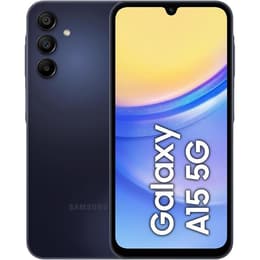
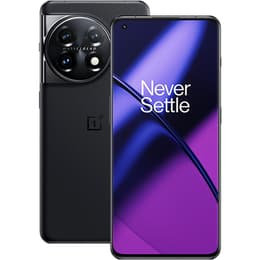


Galaxy A15 5G Vs OnePlus 11

Galaxy A15 5G
Galaxy A15 5G
Starting at

Refurbished price:124.00

Versus €248.54 new

See options
OnePlus 11
OnePlus 11
Starting at

Refurbished price:325.00

Versus €949.00 new

See options

Ratings

The Samsung Galaxy A15 5G, released in December 2023, and the OnePlus 11, launched globally in February 2023, are both Android smartphones offering distinct experiences. While the Galaxy A15 5G focuses on delivering essential features with strong software support, the OnePlus 11 aims for a high-performance, premium experience. They operate on Android with Samsung's One UI and OnePlus's OxygenOS, respectively, each providing a unique interface and set of functionalities.

Scores

Durability

The practical lifespan of a smartphone is influenced by its build quality and the duration of software support it receives. Both devices offer a commendable commitment to longevity through software updates.

  • Software Support: The Samsung Galaxy A15 5G, released in late 2023, is promised four generations of Android OS upgrades and five years of security updates. The OnePlus 11, launched earlier in 2023, also benefits from a policy of four major Android updates and five years of security updates. This means both devices are designed to remain current and secure for an extended period.
  • Build Materials: The Galaxy A15 5G features a plastic frame and back, contributing to its overall construction. The OnePlus 11, in contrast, utilizes a glass front with Gorilla Glass Victus protection, a glass back with Gorilla Glass 5, and an aluminum frame, offering a more robust and premium feel.
  • Repairability: The OnePlus 11 has a reported repairability score of 6.75 out of 10, indicating a moderate ease of repair for certain components. Repair guides are available for the Galaxy A15 5G, suggesting that components can be serviced.

Year of Release

2023

2023

OS

Android

Android

Foldable

No

No

Performance

Performance differences between these two devices are notable, impacting how smoothly they handle various tasks, from everyday browsing to demanding applications and gaming.

  • Processing Power: The OnePlus 11 is engineered for high-demand scenarios, providing a very smooth experience for intensive gaming, video editing, and heavy multitasking. Users often describe its operation as fluid and responsive, even with numerous applications open simultaneously. The Galaxy A15 5G is well-suited for daily tasks, social media, and light gaming. However, some users have reported that it can exhibit slower performance or lag when handling many apps concurrently or engaging in more demanding activities.
  • Memory and Storage: The OnePlus 11 offers configurations with 8GB, 12GB, or 16GB of RAM, paired with internal storage options up to 512GB, though it does not support expandable storage. The Galaxy A15 5G comes with 4GB, 6GB, or 8GB of RAM and up to 256GB of internal storage, with the added flexibility of a microSD card slot for expansion.
  • Battery and Charging: Both devices are equipped with a 5000 mAh battery, capable of providing a full day of use for many users. A key difference lies in charging speed: the OnePlus 11 supports very fast wired charging, reaching up to 100W (or 80W in some regions), allowing for rapid recharges. The Galaxy A15 5G supports 25W wired charging, which is slower in comparison.

Memory (GB)

4 GB

16 GB

Screen quality

The display is a primary interaction point, and both devices offer distinct visual experiences tailored to different user expectations.

  • Display Technology and Clarity: The Samsung Galaxy A15 5G features a 6.5-inch Super AMOLED display with a resolution of 1080 x 2340 pixels. This technology delivers vibrant colors and deep blacks, providing good clarity for general viewing and media consumption. The OnePlus 11 boasts a larger 6.7-inch LTPO3 Fluid AMOLED display with a higher resolution of 1440 x 3216 pixels. This results in sharper images and finer detail, particularly noticeable when viewing high-resolution content.
  • Brightness and Refresh Rate: For outdoor visibility, the Galaxy A15 5G offers a peak brightness of 800 nits. Its display has a 90Hz refresh rate, providing smoother scrolling and a more fluid visual experience than standard 60Hz screens. The OnePlus 11 features a higher peak brightness of 1300 nits, which enhances visibility in bright sunlight. It also includes an adaptive 120Hz refresh rate, allowing for exceptionally smooth animations and responsiveness, while intelligently adjusting to conserve battery life.
  • Viewing Experience: The OnePlus 11's larger, higher-resolution, and smoother display provides a more immersive and detailed viewing experience, particularly beneficial for gaming and high-quality video. The Galaxy A15 5G still offers a good quality display for its category, suitable for everyday use and casual media consumption.

Resolution

1080 x 2340

1440 x 3216

Audiovisual

The camera systems on both smartphones are designed to capture different types of photographic and videographic content, catering to varying user needs and expectations.

  • Rear Camera Systems: The Samsung Galaxy A15 5G is equipped with a triple rear camera setup, featuring a 50 MP main sensor, a 5 MP ultrawide lens, and a 2 MP macro lens. This configuration is capable of producing decent photos in well-lit conditions, suitable for everyday snapshots. The OnePlus 11 features a more advanced triple camera system co-developed with Hasselblad, including a 50 MP main sensor with optical image stabilization (OIS), a 48 MP ultrawide lens, and a 32 MP telephoto lens offering 2x optical zoom. This setup provides greater versatility and generally higher image quality across various scenarios.
  • Photography Performance: The OnePlus 11 generally delivers strong photographic performance, with good detail and color reproduction, though some users have noted occasional inconsistencies with color or shutter speed in indoor settings. Its telephoto lens allows for clearer zoomed-in shots. The Galaxy A15 5G performs adequately for its class, but its ultrawide and macro lenses offer more limited utility and detail compared to the OnePlus 11's sensors.
  • Video and Audio: For video recording, the OnePlus 11 supports up to 8K resolution, providing high-fidelity video capture. The Galaxy A15 5G typically records at Full HD resolution. Both devices offer standard microphone quality for calls and recordings. The OnePlus 11 generally provides a more robust speaker output, enhancing the media consumption experience.

Miscellaneous

Beyond core performance and display, several practical elements contribute to the overall user experience and daily usability of these devices.

  • Connectivity and Ports: Both smartphones support 5G connectivity for fast mobile data. The OnePlus 11 includes Wi-Fi 6, offering faster and more stable wireless internet connections, while the Galaxy A15 5G uses Wi-Fi 5. Both devices feature Bluetooth 5.3 for connecting to accessories. The Galaxy A15 5G retains a 3.5mm headphone jack, which is absent on the OnePlus 11. Both utilize a USB-C 2.0 port for charging and data transfer.
  • Biometric Security: The Galaxy A15 5G incorporates a side-mounted fingerprint sensor for secure unlocking. The OnePlus 11 features an under-display optical fingerprint sensor, offering a more integrated aesthetic. Both methods provide reliable biometric authentication.
  • Design and Handling: The Galaxy A15 5G measures 160.1 x 76.8 x 8.4 mm and weighs 200 grams. The OnePlus 11 is slightly larger and heavier at 163.1 x 74.1 x 8.5 mm and 205 grams, but it is narrower, which can affect one-handed grip. The choice of plastic on the A15 5G versus glass and aluminum on the OnePlus 11 also contributes to different tactile experiences and perceived durability.

Weight

200 g

205 g

Screen size (in)

6.5

6.7

Network

5G

5G

SIM card

Dual Physical SIM

Physical SIM

Carrier compatibility

Unlocked

Unlocked

The Samsung Galaxy A15 5G and the OnePlus 11 cater to different segments of the smartphone market, each excelling in areas important to their target users. The Galaxy A15 5G is frequently praised for its vibrant AMOLED display, its commitment to extended software updates, and its reliable battery life, making it a solid choice for essential daily use. However, some users have noted that its performance can be a limitation when running many applications or engaging in graphically intensive tasks, and its charging speed is not as fast as some alternatives.

The OnePlus 11, on the other hand, receives consistent acclaim for its powerful performance, stunning high-resolution display, and exceptionally fast charging capabilities. Its camera system, co-developed with Hasselblad, is also generally well-regarded. Common criticisms include the absence of wireless charging and a formal IP water resistance rating, though it does offer some level of water protection. Some users have also reported that the screen's brightness in manual mode can be less than ideal in direct sunlight, though auto-brightness often compensates effectively.

Users prioritizing a device with strong software longevity, a good quality display for media, and dependable battery life for everyday communication and light usage may find the Samsung Galaxy A15 5G well-suited to their needs. Conversely, individuals seeking top-tier performance for demanding applications and gaming, a superior visual experience, and the convenience of rapid charging will likely lean towards the OnePlus 11. Both devices, especially when considering a quality-assured refurbished option, represent an eco-friendly alternative for consumers looking to make informed and sustainable choices.


See all articles

Our recent comparisons




