
Compare models
Galaxy A15 5G Vs iPhone 14 Pro
- 1-year minimum warranty
- Free delivery on all orders
- Free 30-day returns
Differences at a glance
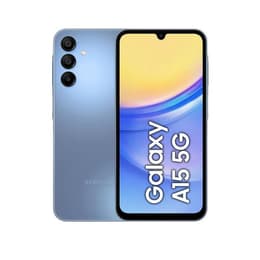
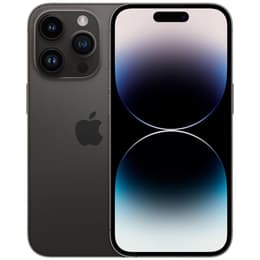
The Samsung Galaxy A15 5G, released in December 2023, and the Apple iPhone 14 Pro, launched in September 2022, represent distinct approaches to smartphone design and functionality. While both devices offer modern smartphone experiences, they cater to different user priorities through their operating systems, display technologies, and performance capabilities. The Galaxy A15 5G operates on Android, providing a customizable experience, whereas the iPhone 14 Pro runs on Apple's iOS, known for its integrated ecosystem and premium features.
Available Models
Colour
Storage (GB)
Scores
Durability
The longevity of a smartphone is influenced by its release timeline, software support, and physical durability. These two devices offer different expectations in terms of how long they will remain current and functional.
- Software Support: The Samsung Galaxy A15 5G is expected to receive four generations of Android OS upgrades and five years of security patches from its release, extending its software relevance for a considerable period. The iPhone 14 Pro, being an Apple device, typically receives iOS updates for approximately five to seven years after its initial release, potentially offering a longer window for major software features and security updates.
- Physical Durability: The iPhone 14 Pro features a Ceramic Shield front cover and a stainless steel frame, contributing to its robust build and offering IP68 water and dust resistance, allowing submersion up to 6 meters for 30 minutes. The Galaxy A15 5G utilizes a glass front with a plastic back and frame.
- Expected Lifespan: Users prioritizing the longest possible software update cycle might find the iPhone 14 Pro's extended support appealing. However, the Galaxy A15 5G's commitment to four OS upgrades provides a solid foundation for several years of use within the Android ecosystem.
Year of Release
2023
2022
Compatible with latest Update
Yes
Yes
OS
Android
iOS
Foldable
No
No
Performance
Performance is a key differentiator, impacting how smoothly applications run, how quickly tasks are completed, and the overall responsiveness of the device. Both phones offer capable performance for their intended use cases.
- Processing Power: The iPhone 14 Pro is equipped with a powerful processor that handles demanding applications, complex multitasking, and graphically intensive games with ease, ensuring a fluid user experience. The Galaxy A15 5G features a processor that capably manages everyday tasks and general smartphone usage, though some users might notice a slight delay in responsiveness with more intensive applications or heavy multitasking.
- Storage and Multitasking: The iPhone 14 Pro offers various storage configurations up to 1TB, paired with ample memory to support smooth multitasking across numerous applications. The Galaxy A15 5G provides storage options up to 256GB and includes a microSD card slot for expandable storage up to 1TB, which is beneficial for users who need significant space for media and files.
- Battery Behavior: The Galaxy A15 5G is known for its substantial battery capacity, often providing up to two days of usage on a single charge for many users. The iPhone 14 Pro, despite having a smaller battery capacity, is optimized to deliver all-day power for typical usage patterns.
Screen quality
The display is the primary interface for interacting with a smartphone, and both devices offer distinct visual experiences tailored to their respective designs.
- Display Technology and Clarity: The iPhone 14 Pro features a 6.1-inch Super Retina XDR OLED display, offering deep blacks, vibrant colors, and a high pixel density for sharp text and images. The Galaxy A15 5G comes with a larger 6.5-inch Super AMOLED display, which also provides rich colors and good contrast, suitable for media consumption.
- Brightness and Smoothness: The iPhone 14 Pro's display boasts an adaptive ProMotion refresh rate that can scale from 1Hz to 120Hz, ensuring smooth scrolling and responsiveness, along with exceptional peak brightness of up to 2000 nits for outdoor visibility. The Galaxy A15 5G offers a 90Hz refresh rate for a smoother visual experience than standard 60Hz displays, and a peak brightness of up to 800 nits in high brightness mode.
- Unique Features: The iPhone 14 Pro introduces the Dynamic Island, an interactive area around the front camera that displays alerts and activities, and an Always-On display feature. The Galaxy A15 5G has a more traditional display design with noticeable bezels.
Resolution
1080 x 2340
1179 x 2556
Screen type
Super AMOLED
LTPO Super Retina XDR OLED
Audiovisual
Camera capabilities are a significant factor for many users, and both smartphones provide tools for capturing photos and videos, though with different levels of sophistication and feature sets.
- Rear Camera System: The iPhone 14 Pro features a versatile triple-camera system, including a 48MP main sensor with advanced optical image stabilization, a 12MP ultra-wide lens, and a 12MP telephoto lens with 3x optical zoom. This setup excels in capturing detailed images, performing well in various lighting conditions, and offering advanced video recording options like Cinematic Mode and Action Mode. The Galaxy A15 5G includes a triple rear camera setup with a 50MP main sensor, a 5MP ultra-wide lens, and a 2MP macro lens. Its main camera is capable of producing good images in adequate lighting.
- Front Camera and Video: The iPhone 14 Pro has a 12MP front camera with autofocus, capable of high-quality selfies and video calls, and supports 4K video recording up to 60 frames per second. The Galaxy A15 5G features a 13MP front camera and records video at 1080p at 30 frames per second.
- Audio Experience: The iPhone 14 Pro delivers a rich audio experience through its stereo speakers, enhancing media consumption. The Galaxy A15 5G features a mono loudspeaker.
Main camera
50 megapixels
48 megapixels
Front camera
13 megapixels
12 megapixels
Miscellaneous
Beyond core features, several practical elements contribute to the overall user experience, from connectivity to physical design.
- Connectivity and Ports: Both devices support 5G connectivity for fast mobile data. The Galaxy A15 5G includes a USB-C 2.0 port and retains a 3.5mm headphone jack, offering broad compatibility with accessories. The iPhone 14 Pro uses a Lightning port and does not feature a headphone jack. It also offers satellite connectivity for emergency services in certain regions.
- Biometrics and Sensors: The iPhone 14 Pro relies on Face ID for secure facial recognition. The Galaxy A15 5G incorporates a side-mounted fingerprint sensor for biometric authentication.
- Design and Handling: The iPhone 14 Pro has a premium feel with its stainless steel frame and Ceramic Shield front, weighing around 206 grams. The Galaxy A15 5G has a plastic construction and weighs approximately 200 grams.
Weight
200 g
206 g
Screen size (in)
6.5
6.1
Network
5G
5G
SIM card
Dual Physical SIM
Physical SIM + eSIM
Carrier compatibility
Unlocked
Unlocked
What the community thinks
The Samsung Galaxy A15 5G and iPhone 14 Pro cater to different user needs and preferences. Users often praise the Galaxy A15 5G for its exceptional battery life, vibrant AMOLED display, and the inclusion of a headphone jack and expandable storage, which are practical benefits for many. Some common feedback notes that its processing power might feel less responsive for demanding tasks compared to higher-end devices. The iPhone 14 Pro is frequently lauded for its powerful performance, advanced camera system, and the innovative Dynamic Island feature. Users appreciate its bright, smooth display and the overall polished iOS experience.
Users prioritizing a long-lasting battery, expandable storage, and the flexibility of the Android operating system, along with a larger screen for media consumption, may find the Galaxy A15 5G well-suited to their needs. Conversely, individuals who value top-tier performance, a highly advanced camera for photography and videography, a premium build, and the integrated ecosystem of iOS will likely lean towards the iPhone 14 Pro. Both devices offer a quality-assured refurbished option, providing an eco-friendly alternative for consumers looking to make a sustainable choice.