

Galaxy A14 5G Vs iPhone 17

Galaxy A14 5G
Galaxy A14 5G
Starting at

Refurbished price:102.00

Versus €289.00 new

See options
iPhone 17
iPhone 17
Starting at

Refurbished price:704.00

Versus €979.00 new

See options

Ratings

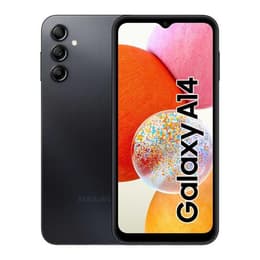
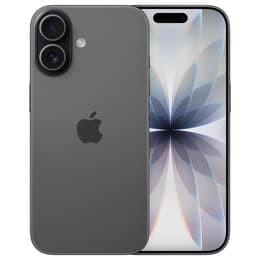
The Samsung Galaxy A14 5G, released in January 2023, is an Android smartphone designed for everyday use, offering 5G connectivity and a focus on essential features. In contrast, the iPhone 17, anticipated for release in late 2025, represents Apple's future flagship device, expected to push boundaries in performance, camera technology, and user experience. This comparison highlights the practical differences between a budget-friendly Android device and a high-end, next-generation iOS smartphone, catering to distinct user needs and expectations.

Scores

Durability

The lifespan and ongoing support for these devices differ significantly due to their release timelines and operating systems.

  • Release Timeline and Age: The Galaxy A14 5G was launched in January 2023, making it a device that has been on the market for some time. The iPhone 17 is a future model, expected to be released in September 2025, positioning it as a brand-new device with the latest technology.
  • OS Support Duration: The Galaxy A14 5G launched with Android 13 and typically receives 2 years of OS updates and 4 years of security updates from Samsung. A future iPhone model like the iPhone 17 is expected to receive iOS updates for a longer duration, typically 5-7 years, ensuring extended software longevity.
  • Durability: The Galaxy A14 5G features a plastic build, which contributes to its overall durability for daily handling, though it does not carry an official IP rating for water and dust resistance. Consistent with Apple's flagship releases, the iPhone 17 would likely incorporate advanced materials like Ceramic Shield for display protection and an IP68 rating for enhanced water and dust resistance, offering a more robust build.

Year of Release

2023

2025

Compatible with latest Update

Yes

Yes

OS

Android

iOS

Foldable

No

No

Performance

Performance capabilities vary considerably between these two devices, reflecting their different market segments and release generations.

  • Processor Capabilities: The Galaxy A14 5G is powered by an octa-core processor (MediaTek Dimensity 700 or Exynos 1330 depending on region) that handles everyday tasks like web browsing, social media, and video streaming smoothly. It is suitable for light gaming, though more demanding applications might experience occasional frame drops. The iPhone 17, as a future flagship, is anticipated to feature Apple's next-generation A-series chip (e.g., A19 Bionic), which would provide substantial processing power for intensive multitasking, advanced gaming, and professional-grade applications with exceptional responsiveness.
  • RAM and Storage: The Galaxy A14 5G typically comes with 4GB or 6GB of RAM and 64GB or 128GB of internal storage, expandable via a microSD card. This configuration is adequate for general use and storing a moderate amount of data. The iPhone 17 is expected to offer higher base RAM and storage options, likely starting from 128GB or 256GB and going up to 1TB, without expandable storage, catering to users with extensive digital content and demanding app usage.
  • Overall System Responsiveness: Users of the Galaxy A14 5G generally report smooth performance for typical daily activities. The iPhone 17, with its advanced processor and optimized operating system, is expected to deliver a highly fluid and responsive user experience across all tasks, from app launches to complex computations.

Memory (GB)

4 GB

8 GB

Screen quality

The display technologies and visual experiences offered by these two smartphones present notable differences.

  • Display Technology: The Galaxy A14 5G features a 6.6-inch PLS LCD display. This technology provides clear visuals and good color reproduction for its class. The iPhone 17 is expected to utilize an advanced OLED display, consistent with recent Apple flagships. OLED technology offers deeper blacks, higher contrast ratios, and more vibrant colors by illuminating individual pixels.
  • Resolution and Clarity: Both devices offer a Full HD+ resolution (1080 x 2408 pixels for the A14 5G), resulting in sharp text and images for typical viewing distances. The iPhone 17's OLED display would likely feature a similar or higher pixel density, further enhancing clarity and detail.
  • Refresh Rate and Smoothness: The Galaxy A14 5G has a 90Hz refresh rate, which provides a smoother scrolling experience compared to standard 60Hz displays. The iPhone 17 is anticipated to include ProMotion technology, offering an adaptive refresh rate up to 120Hz, which dynamically adjusts for exceptionally fluid animations and responsiveness, particularly noticeable in scrolling and gaming.
  • Brightness Levels: The Galaxy A14 5G's display peaks at around 500 nits, which can make it challenging to view clearly under bright sunlight. A future iPhone like the iPhone 17 is expected to offer significantly higher peak brightness levels, improving outdoor visibility and enhancing HDR content viewing.

Resolution

1080 x 2408

2622x1206

Screen type

PLS LCD

Super Retina XDR

Audiovisual

The camera systems of the Galaxy A14 5G and the anticipated iPhone 17 cater to different photography needs and expectations.

  • Camera System Capabilities: The Galaxy A14 5G features a triple rear camera setup, including a 50MP main sensor, a 2MP macro lens, and a 2MP depth sensor. The 50MP main camera is capable of capturing detailed landscape photos. The iPhone 17, as a flagship device, is expected to feature a highly advanced multi-lens camera system, likely including improved main, ultra-wide, and telephoto lenses, with significant advancements in sensor technology and computational photography.
  • Photography Performance: The Galaxy A14 5G takes good images for its price point, with decent performance in everyday lighting conditions. Low-light performance is generally adequate but may show more noise compared to higher-end devices. The iPhone 17 is expected to excel in various lighting conditions, offering superior detail, dynamic range, and low-light performance through advanced hardware and software optimization.
  • Video Recording Quality: The Galaxy A14 5G supports Full HD (1080p) video recording at 30 frames per second. The iPhone 17 is anticipated to offer advanced video recording capabilities, including 4K resolution at higher frame rates, cinematic modes, and enhanced stabilization, providing professional-grade video capture.
  • Front Camera: For selfies and video calls, the Galaxy A14 5G has a 13MP front-facing camera. The iPhone 17 is expected to feature a high-resolution front camera with advanced features for improved selfie quality and secure facial recognition.

Main camera

50 megapixels

48 megapixels

Front camera

13 megapixels

18 megapixels

Miscellaneous

Beyond core performance, several practical elements differentiate these two devices in terms of user interaction and connectivity.

  • Connectivity Options: Both devices support 5G connectivity, enabling faster download and upload speeds. The Galaxy A14 5G includes Wi-Fi 5 and Bluetooth 5.2. The iPhone 17 is expected to feature newer Wi-Fi standards (e.g., Wi-Fi 6E or Wi-Fi 7) and a more recent Bluetooth version, offering improved wireless performance and efficiency.
  • Port Types: The Galaxy A14 5G includes a USB-C port for charging and data transfer, along with a 3.5mm headphone jack. The iPhone 17, following recent Apple trends, is expected to feature a USB-C port but will likely omit the traditional 3.5mm headphone jack, relying on wireless audio or adapters.
  • Biometric Security: The Galaxy A14 5G incorporates a side-mounted fingerprint sensor for secure unlocking. The iPhone 17 is anticipated to continue using Face ID, Apple's advanced facial recognition system, which uses a TrueDepth camera to create a detailed 3D map of the user's face for secure authentication.
  • Weight and Dimensions: The Galaxy A14 5G measures approximately 167.7 x 78.0 x 9.1 mm and weighs around 202-204 grams, offering a substantial feel in hand. The iPhone 17's dimensions and weight would depend on its specific model variants (standard, Pro, etc.), but Apple typically aims for a balanced design that feels comfortable for its size.

Weight

201 g

177 g

Screen size (in)

6.6

6.3

Network

5G

5G

SIM card

Dual Physical SIM

eSIM

Carrier compatibility

Unlocked

Unlocked

Connector

USB-C + Jack 3.5mm

USB-C

The Samsung Galaxy A14 5G and the anticipated iPhone 17 cater to fundamentally different user needs and expectations, primarily due to their market positioning and generational gap. The Galaxy A14 5G is praised by users for its reliable performance for everyday tasks, its large display with a 90Hz refresh rate, and its long-lasting battery. Common criticisms often point to its display brightness in direct sunlight and the absence of an official water resistance rating. Users generally find it a practical choice for essential smartphone functions and 5G connectivity.

The iPhone 17, as a future flagship, is expected to receive praise for its cutting-edge performance, advanced camera capabilities, and the seamless integration of the iOS ecosystem. Potential criticisms might revolve around its expected premium positioning and the continued reliance on Face ID as the sole biometric authentication method. Users anticipate a device that offers a highly refined and powerful experience.

Users prioritizing a device for basic communication, media consumption, and light productivity, who appreciate expandable storage and a headphone jack, may find the Galaxy A14 5G well-suited to their needs. It offers a solid foundation for daily use. Conversely, users who demand the latest in mobile technology, superior performance for demanding applications, advanced photography and videography features, and a long software support lifespan will likely lean toward a device like the iPhone 17. For those seeking a more sustainable choice, considering a quality-assured refurbished option for either device can be an eco-friendly alternative.


See all articles

Our recent comparisons






