

Dell Latitude 7400 14" Vs Microsoft Surface Laptop 4 13"

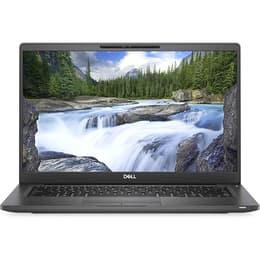
Dell Latitude 7400 14"
Starting at

Refurbished price:276.00

Versus €629.00 new

See options
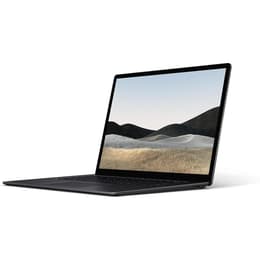
Microsoft Surface Laptop 4 13"
Starting at

Refurbished price:370.00

Versus €754.00 new

See options

Ratings

The Dell Latitude 7400 14 (released in 2019) and the Microsoft Surface Laptop 4 13 (released in 2021) are distinct laptops designed for different user priorities. The Latitude 7400 is a business-oriented device known for its robust build and extensive connectivity, while the Surface Laptop 4 offers a premium user experience with a focus on design, display quality, and integrated Microsoft software. Both run on the Windows operating system, with the Latitude also supporting Ubuntu.

Scores

Durability

These two laptops offer different approaches to longevity and build quality. The Dell Latitude 7400, being a business-focused machine, emphasizes robust construction and enterprise-grade features. The Microsoft Surface Laptop 4, while also well-built, prioritizes a sleek and refined aesthetic.

  • Release Timeline and OS Support: The Dell Latitude 7400 was released in 2019, while the Microsoft Surface Laptop 4 followed in 2021. This two-year difference means the Surface Laptop 4 will generally receive software updates and security patches for a longer period, extending its practical lifespan. The Latitude 7400 supports Windows 10 and Windows 11, as well as Ubuntu, offering flexibility. The Surface Laptop 4 ships with Windows 10 and is upgradeable to Windows 11.
  • Build and Repairability: The Latitude 7400 features a durable chassis, often tested to MIL-STD 810G standards, indicating resilience against environmental factors. Its internal components are generally accessible for upgrades and repairs. The Surface Laptop 4 features an aluminum casing, offering a premium feel. While its SSD is removable and replaceable by skilled technicians, other components are less user-serviceable.
  • Expected Lifespan: Both devices are built to last, but the Surface Laptop 4's newer components and longer expected software support window give it a slight edge in terms of future-proofing. The Latitude's business-grade durability ensures it can withstand demanding daily use over several years.

Year of Release

2019

2021

Last Os Compatibility

Yes

Yes

OS

Windows 11

Windows 11

Performance

The performance capabilities of these laptops reflect their respective release years and target audiences, with the Surface Laptop 4 benefiting from more recent processor generations.

  • Processor Capabilities: The Dell Latitude 7400 is equipped with 8th or 9th generation Intel Core processors, which provide solid performance for everyday office tasks, web browsing, and light multitasking. The Microsoft Surface Laptop 4 features 11th generation Intel Core processors or AMD Ryzen 4000 series Surface Edition processors, offering a noticeable boost in speed and efficiency for more demanding applications and complex workloads.
  • Multitasking and Responsiveness: Both laptops offer configurations with ample RAM, up to 32GB for the Latitude 7400 and up to 32GB for the Surface Laptop 4, allowing for smooth multitasking with numerous applications open simultaneously. The Surface Laptop 4's newer processors contribute to faster application loading and overall system responsiveness, particularly in scenarios involving intensive computations or creative tasks.
  • Storage and Battery Behavior: Both devices utilize fast NVMe SSD storage, ensuring quick boot times and rapid data access. In terms of battery, the Latitude 7400 typically offers good endurance, with some configurations providing over 10 hours of use, and the 2-in-1 variant with a larger battery achieving even longer durations. The Surface Laptop 4 also delivers strong battery life, often exceeding 10 hours in real-world usage, with AMD configurations sometimes offering slightly longer runtimes.

Memory (GB)

16 GB

16 GB

Processor

Core i7 - Gen 8 (U)

Ryzen 5 4680U

Graphic card

Integrated Graphics

Integrated Graphics

Screen quality

The visual experience on these laptops differs significantly, primarily due to their display technologies, aspect ratios, and resolutions.

  • Display Technology and Resolution: The Dell Latitude 7400 features a 14-inch Full HD (1920x1080) IPS display, which provides clear images and good viewing angles suitable for productivity tasks. The Microsoft Surface Laptop 4 13.5-inch model boasts a higher-resolution PixelSense display (2256 x 1504 pixels) with a 3:2 aspect ratio, offering more vertical screen real estate and sharper text and images.
  • Brightness and Color Accuracy: The Latitude 7400's display typically reaches brightness levels around 285-342 nits, which is adequate for indoor use but can be less ideal in bright outdoor environments. It offers good contrast and color accuracy for general business applications. The Surface Laptop 4's display generally achieves higher brightness, often around 349-390 nits, making it more versatile in varying lighting conditions. It is also praised for its excellent color accuracy and contrast, making it well-suited for tasks requiring visual precision.
  • Viewing Experience: The Latitude 7400's 16:9 aspect ratio is standard for media consumption. The Surface Laptop 4's 3:2 aspect ratio is often preferred for productivity, as it allows for viewing more content vertically, reducing the need for scrolling in documents and web pages. The Surface Laptop 4 also includes touch functionality across all models, which is an optional feature on some Latitude 7400 configurations.

Resolution

1920 x 1080

2256 x 1504

Screen type

IPS

LED

Audiovisual

The audio and visual capabilities of these laptops cater to different user expectations, with the Surface Laptop 4 generally offering a more refined multimedia experience.

  • Camera System: Both laptops include a front-facing camera for video conferencing. The Dell Latitude 7400 features an HD webcam, suitable for standard video calls. The Microsoft Surface Laptop 4 is equipped with a 720p HD f2.0 front-facing camera that also supports Windows Hello for secure facial recognition login, providing a more integrated and convenient security feature.
  • Microphone and Speaker Quality: The Latitude 7400's speakers have been noted by some users to sound thin and lack significant volume, which might necessitate external audio solutions for an optimal listening experience. The Surface Laptop 4, on the other hand, features Omnisonic Speakers with Dolby Audio and dual far-field Studio Mics, designed to deliver clearer audio output and better voice pickup for calls and media consumption.
  • Video Recording and Media Consumption: For video recording, both offer standard HD quality from their webcams. For media consumption, the Surface Laptop 4's superior display and audio system generally provide a more immersive experience, making it a stronger choice for watching videos or listening to music without external accessories.

Miscellaneous

Beyond core performance and display, several practical elements differentiate these two laptops, impacting their usability in various scenarios.

  • Connectivity Options: The Dell Latitude 7400 offers a comprehensive selection of ports, including a Thunderbolt 3 (USB-C) port, two USB 3.1 Gen 1 Type-A ports, HDMI 1.4a, and a microSD card reader, catering to a wide range of peripherals and external displays. It also supports Wi-Fi 5 or Wi-Fi 6 and Bluetooth 5.0, with optional LTE for mobile connectivity. The Microsoft Surface Laptop 4 provides a more streamlined port selection with one USB-C (without Thunderbolt 4 support), one USB-A, a 3.5mm headphone jack, and a proprietary Surface Connect port for charging and docking. It supports Wi-Fi 6 and Bluetooth 5.0.
  • Security and Authentication: The Latitude 7400 often includes enterprise-grade security features like optional SmartCard readers and vPro processor technology for remote management. The Surface Laptop 4 integrates Windows Hello facial recognition for convenient and secure login.
  • Portability and Build Materials: The Latitude 7400, with its 14-inch screen, starts at approximately 1.36 kg, featuring a robust build with options for aluminum or carbon fiber. The Surface Laptop 4 13-inch model is slightly lighter, starting around 1.25 kg, and features a sleek aluminum chassis, with some configurations offering an Alcantara fabric keyboard deck.

Weight

1400 g

1288 g

Screen size

14

13

User feedback for the Dell Latitude 7400 14 often highlights its robust build quality, reliable performance for business applications, and strong battery life as key strengths. Users appreciate its comprehensive port selection and the flexibility offered by its operating system support, including Ubuntu. Common criticisms sometimes point to its speakers, which some users find to be of lower quality, and occasional fan noise under heavy load.

The Microsoft Surface Laptop 4 13 receives praise for its premium design, vibrant high-resolution display, and comfortable keyboard and trackpad. Its performance is generally well-regarded for everyday tasks and moderate workloads, and its battery life is considered good, especially with AMD configurations. However, some users express a desire for more diverse port options, particularly the absence of Thunderbolt 4, and note that its performance, while solid, may not match the absolute top tier in some benchmarks.

Users prioritizing extensive connectivity, a highly durable build, and a wider range of operating system choices may find the Dell Latitude 7400 14 better suited to their needs. Its business-oriented features and robust design make it a practical choice for demanding work environments. Conversely, individuals who value a premium aesthetic, a high-resolution touchscreen display, and a refined user experience for productivity and media consumption will likely lean towards the Microsoft Surface Laptop 4 13. Its sleek design and integrated Microsoft ecosystem features offer a compelling package. Both models are available as quality-assured refurbished options, providing a sustainable choice for consumers.

See all articles

Our recent comparisons