

Dell Latitude 7400 14" Vs Microsoft Surface Pro 7 12"

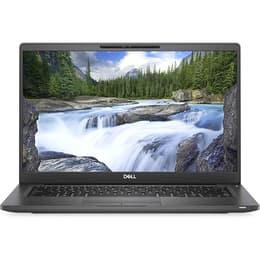
Dell Latitude 7400 14"
Starting at

Refurbished price:276.00

Versus €629.00 new

See options
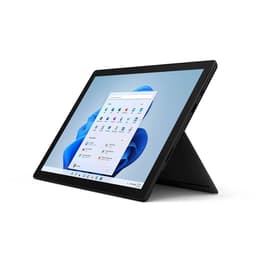
Microsoft Surface Pro 7 12"
Starting at

Refurbished price:334.00

Versus €1,399.00 new

See options

Ratings

The Dell Latitude 7400 14 (released in 2019) and the Microsoft Surface Pro 7 12 (also released in 2019) offer distinct approaches to mobile computing. While both devices operate on the Windows platform, they cater to different user preferences through their form factors, display characteristics, and core hardware configurations. The Latitude 7400 emphasizes a conventional laptop experience with robust connectivity, whereas the Surface Pro 7 prioritizes versatility and portability as a tablet that can transform into a laptop with optional accessories.

Scores

Durability

When considering the long-term usability of these devices, their release timelines and operating system support are key factors. Both the Dell Latitude 7400 and the Microsoft Surface Pro 7 launched around the same period, in 2019, meaning they benefit from similar Windows operating system update cycles.

  • Software Longevity: Both devices run on the Windows operating system, which typically receives several years of feature and security updates from Microsoft. Users can expect continued software support for a comparable duration, ensuring access to new features and security patches.
  • Build and Durability: The Dell Latitude 7400 features a durable chassis, often constructed with aluminum or carbon fiber options, and has undergone military-standard testing for resilience against environmental factors. The Surface Pro 7 utilizes a magnesium alloy construction, offering a premium feel in its tablet form.
  • Repairability Considerations: Dell's Latitude series, being business-oriented, often incorporates design elements that facilitate maintenance and component replacement. The Surface Pro 7, as a more integrated tablet design, may present greater challenges for internal repairs or component upgrades.

Year of Release

2019

2019

Last Os Compatibility

Yes

Yes

OS

Windows 11

Windows 11

Performance

The performance capabilities of these two devices are influenced by their internal components and design philosophies. Both offer solid-state drives for quick boot times and application loading, contributing to overall system responsiveness.

  • Processor Capabilities: The Dell Latitude 7400 is equipped with 8th generation Intel Core processors, which provide reliable performance for everyday productivity tasks, web browsing, and document editing. The Microsoft Surface Pro 7 features 10th generation Intel Core processors, offering a noticeable boost in processing power and improved integrated graphics for smoother handling of more demanding applications and light creative work.
  • Multitasking and Responsiveness: The Latitude 7400 can be configured with up to 32GB of RAM, allowing for extensive multitasking without significant slowdowns. The Surface Pro 7 offers up to 16GB of RAM, which is sufficient for most users' multitasking needs, though very heavy workloads might benefit from the Latitude's higher capacity.
  • Battery Behavior: The Latitude 7400 is known for its exceptional battery life, with some configurations capable of providing over 20 hours of web browsing or 14 hours of video playback on a single charge, making it suitable for extended periods away from a power outlet. The Surface Pro 7 offers up to 10.5 hours of typical device usage, though real-world results can vary, with some users reporting shorter durations under heavy use.

Memory (GB)

16 GB

8 GB

Processor

Core i7 - Gen 8 (U)

Core i5 - Gen 10 (G4)

Graphic card

Integrated Graphics

Integrated Graphics

Screen quality

The visual experience on these devices differs significantly due to their display technologies, resolutions, and form factors.

  • Display Technology and Clarity: The Dell Latitude 7400 features a 14-inch Full HD (1920 x 1080) IPS display, often with an anti-glare finish, providing clear visuals suitable for productivity and extended viewing. The Microsoft Surface Pro 7 boasts a 12.3-inch PixelSense Display with a higher resolution of 2736 x 1824 pixels, resulting in a sharper and more detailed image, particularly noticeable with text and fine graphics.
  • Brightness and Color Reproduction: The Latitude 7400's display typically offers good brightness levels, around 342 nits, and covers a wide sRGB color gamut, ensuring accurate colors for general use. The Surface Pro 7's screen can reach around 395 nits of brightness and is praised for its vibrant colors and high contrast, making it well-suited for media consumption and creative tasks.
  • Screen Size and Aspect Ratio: The Latitude 7400's larger 14-inch screen provides more screen real estate for a traditional laptop experience. The Surface Pro 7's 12.3-inch display, with its 3:2 aspect ratio, offers a more vertical viewing area, which can be advantageous for document editing and web browsing by displaying more content without scrolling.

Resolution

1920 x 1080

2736 x 1824

Screen type

IPS

IPS

Camera

Audiovisual

The audiovisual capabilities of these two devices cater to different primary uses, with the Surface Pro 7 offering more robust camera features.

  • Camera System: The Dell Latitude 7400 includes an HD webcam, which is functional for video conferencing and basic online communication. The Microsoft Surface Pro 7 features a 5-megapixel front-facing camera capable of 1080p HD video and an 8-megapixel rear-facing camera with autofocus, also supporting 1080p HD video recording.
  • Photography and Video Quality: The Surface Pro 7's higher-resolution cameras provide clearer images and video, making it more suitable for capturing quick photos or participating in high-quality video calls. The Latitude 7400's camera is adequate for standard video conferencing.
  • Audio Experience: Both devices feature stereo speakers. The Latitude 7400 provides standard stereo output. The Surface Pro 7 enhances its audio with 1.6W stereo speakers and Dolby Audio Premium, offering a more immersive sound experience for media consumption. The Surface Pro 7 also incorporates dual far-field Studio Mics, designed to capture voices clearly during calls and recordings.

Miscellaneous

Beyond core performance and display, several practical elements differentiate these two devices, impacting their daily usability and connectivity.

  • Connectivity Options: The Dell Latitude 7400 offers a comprehensive selection of ports, including a Thunderbolt 3 (USB-C) port, two USB 3.1 Type-A ports, an HDMI 1.4a port, and a microSD card reader. It also supports Wi-Fi 5 or Wi-Fi 6 and Bluetooth 5.0, with optional LTE for mobile connectivity. The Microsoft Surface Pro 7 includes a USB-C port (though not Thunderbolt 3), a USB-A port, a Surface Connect port for charging and docking, a 3.5mm audio jack, and a microSDXC card reader. It supports Wi-Fi 6 and Bluetooth 5.0.
  • Form Factor and Portability: The Latitude 7400 is a traditional clamshell laptop, weighing approximately 1.36 kg, designed for a stable desktop or lap experience. The Surface Pro 7, as a 2-in-1 detachable tablet, is significantly lighter at around 775 grams without its Type Cover, offering greater portability and tablet functionality.
  • Security and User Interaction: Both devices incorporate modern security measures. The Latitude 7400 offers Windows Hello facial recognition and an optional fingerprint sensor, along with Dell's ExpressSign-in feature for automatic login and locking. The Surface Pro 7 also features Windows Hello facial recognition for secure and convenient login.

Weight

1400 g

775 g

Screen size

14

12

The Dell Latitude 7400 14 and the Microsoft Surface Pro 7 12 each present a compelling option, but for different user needs, as reflected in common user feedback. Users often praise the Latitude 7400 for its robust build quality, extended battery life, and comprehensive port selection, making it a reliable workhorse for traditional laptop users. Its comfortable keyboard and fast storage are frequently highlighted as benefits for productivity-focused tasks. Some criticisms include its potentially less vibrant display options and its weight compared to ultraportables.

The Surface Pro 7 is frequently lauded for its portability, versatile 2-in-1 form factor, and sharp, vibrant display. Users appreciate its ability to seamlessly transition between a tablet and a laptop, making it suitable for a range of activities from content consumption to note-taking. However, common concerns include its battery life, which some users find inconsistent for heavy use, the presence of thick display bezels, and the fact that essential accessories like the keyboard and pen are typically separate purchases.

Users prioritizing a traditional laptop experience with extensive connectivity, robust build, and exceptional battery life for prolonged work sessions may find the Dell Latitude 7400 14 well-suited to their needs. Conversely, users seeking a highly portable and versatile device that can seamlessly transition between a tablet and laptop, with a high-resolution touch display and strong camera capabilities for video conferencing, may lean toward the Microsoft Surface Pro 7 12. Both devices are available as quality-assured refurbished options, providing an eco-friendly alternative for consumers.


See all articles

Our recent comparisons