

iPhone 15 Vs Xiaomi Redmi Note 13

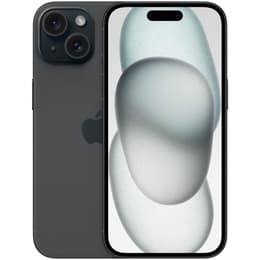
iPhone 15
iPhone 15
Starting at

Refurbished price:397.00

Versus €879.00 new

See options
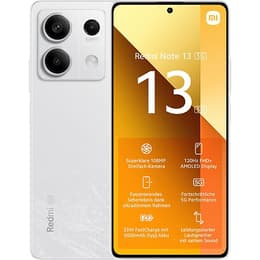
Xiaomi Redmi Note 13
Starting at

Refurbished price:137.00

Versus €340.00 new

See options

Ratings

The iPhone 15, released in September 2023, and the Xiaomi Redmi Note 13, with its global launch in early 2024, represent distinct approaches to modern smartphone design and functionality. While the iPhone 15 operates on Apple's iOS ecosystem, the Redmi Note 13 runs on Android, offering users different software experiences. Key differentiators include their display technologies, camera systems, and expected software support timelines.

Scores

Durability

When considering the long-term usability of a smartphone, factors such as software support, physical durability, and ease of repair are important.

  • Software Longevity: The iPhone 15 typically receives major iOS updates for 5-7 years and security updates for 7-8 years from its release, with a minimum guaranteed support until at least September 2028. This extended support ensures access to new features and security patches over a considerable period. The Xiaomi Redmi Note 13 is promised 3 years of Android OS updates, reaching up to Android 16, and 4 years of security updates, with security support for the 4G model extending until January 2028 and the 5G model until September 2027.
  • Physical Durability: The iPhone 15 features a Ceramic Shield front and an IP68 rating, indicating high resistance to dust and water immersion. The Redmi Note 13 offers Corning Gorilla Glass 5 protection for its display and an IP54 rating, providing dust and splash resistance.
  • Repairability: The iPhone 15 initially received a repairability score of 4 out of 10, which was later improved to 7 out of 10 due to enhancements in Apple's repair assistant and the ability to use identical parts from other iPhones. Specific repairability scores for the Redmi Note 13 are not widely published, but mid-range Android devices generally offer moderate repairability.

Year of Release

2023

2024

Compatible with latest Update

Yes

Yes

OS

iOS

Android

Foldable

No

No

Performance

The performance of a smartphone is crucial for daily tasks, from navigating applications to engaging with multimedia and gaming.

  • System Responsiveness: The iPhone 15 is equipped with a capable processor that allows for smooth handling of demanding applications and efficient multitasking. Users generally report a fluid experience across the operating system and various apps. The Redmi Note 13, powered by its respective processor, delivers stable performance suitable for everyday use and general multitasking.
  • Storage and Multitasking: The iPhone 15 offers storage options up to 512GB and includes 6GB of RAM, contributing to efficient app management and data storage. The Redmi Note 13 provides various configurations, including up to 12GB of RAM and 256GB of internal storage, with some variants supporting expandable storage. It also features dynamic RAM expansion technology, which can virtually extend its memory for smoother operation.
  • Battery Behavior: The iPhone 15 typically features a battery capacity around 3349 mAh, with many users reporting that it comfortably lasts a full day with average use. The Redmi Note 13 comes with a larger 5000mAh battery, often paired with 33W fast charging capabilities, designed to provide extended usage times.

Memory (GB)

6 GB

8 GB

Screen quality

The display is a primary interface for smartphone interaction, influencing everything from content consumption to daily navigation.

  • Display Technology and Clarity: The iPhone 15 features a 6.1-inch Super Retina XDR OLED display, offering deep blacks, vibrant colors, and a high pixel density of 460 PPI for sharp visuals. The Redmi Note 13 sports a larger 6.67-inch AMOLED display with a resolution of 2400x1080 pixels and a pixel density of 395 PPI, also providing rich colors and clear images.
  • Brightness and Refresh Rate: The iPhone 15's display can reach a typical brightness of 1,000 nits, with peak HDR brightness of 1,600 nits and an impressive 2,000 nits for outdoor use, ensuring good visibility in various lighting conditions. It operates at a standard 60Hz refresh rate. The Redmi Note 13 offers a 120Hz refresh rate for smoother scrolling and animations, with a local peak brightness of 1800 nits and HBM brightness of 1000 nits, providing excellent visibility outdoors.
  • Unique Display Features: The iPhone 15 incorporates the Dynamic Island, an interactive area around the front camera that displays alerts and live activities. Both devices utilize OLED/AMOLED technology for high contrast ratios and support wide color gamuts for accurate color reproduction.

Resolution

1179 x 2556

1080 x 2400

Screen type

Super Retina XDR OLED

AMOLED

Audiovisual

Camera capabilities are a significant consideration for many users, impacting the quality of photos and videos captured in various scenarios.

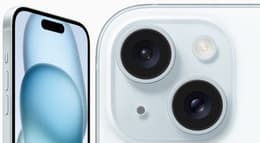
  • Main Camera System: The iPhone 15 features a dual-camera system with a 48-megapixel main sensor that includes 2x telephoto zoom capabilities, alongside a 12-megapixel ultra-wide camera. The Redmi Note 13 is equipped with a triple-camera setup, highlighted by a 108-megapixel main sensor, complemented by an 8-megapixel ultra-wide lens and a 2-megapixel macro lens.
  • Photography Performance: The iPhone 15's main camera is noted for its ability to capture detailed images and offers an automatic portrait mode feature. The Redmi Note 13's high-resolution main sensor aims to deliver clear and detailed photos, with its additional macro lens providing versatility for close-up shots.
  • Video and Front Camera: Both devices offer capable video recording, with the iPhone 15 supporting advanced features and the Redmi Note 13 providing solid performance for its class. For selfies and video calls, the iPhone 15 has a 12-megapixel front camera, while the Redmi Note 13 features a 16-megapixel front camera.

Main camera

48 megapixels

108 megapixels

Front camera

12 megapixels

16 megapixels

Miscellaneous

Beyond core features, several practical elements contribute to the overall user experience and device utility.

  • Connectivity and Ports: The iPhone 15 supports 5G, Wi-Fi 6, and Bluetooth 5.3, and notably features a USB-C port for charging and data transfer, though with USB 2.0 speeds for the base model. The Redmi Note 13 (5G variant) also supports 5G connectivity and includes a USB-C port, with typical Wi-Fi and Bluetooth standards for its generation.
  • Biometric Security and Sensors: The iPhone 15 relies on Face ID for secure authentication and includes a range of sensors like a barometer, gyroscope, and ambient light sensors. The Redmi Note 13 features an in-display fingerprint sensor for unlocking and can also monitor heart rate through this sensor.
  • Design and Handling: The iPhone 15 has an aluminum design with a Ceramic Shield front and a color-infused glass back, weighing 171 grams. The Redmi Note 13 presents a thin and lightweight body with a flat-frame design, weighing 188.5 grams. Both devices aim for a comfortable in-hand feel.

Weight

171 g

175 g

Screen size (in)

6.1

6.67

Network

5G

5G

SIM card

Physical SIM + eSIM

Dual Physical SIM

Carrier compatibility

Unlocked

Unlocked

Connector

USB-C

USB-C

The iPhone 15 and Xiaomi Redmi Note 13 cater to different user priorities, each excelling in specific areas. User feedback for the iPhone 15 often praises its camera capabilities, robust battery life for daily use, bright display, and premium build quality. Some common criticisms include its 60Hz refresh rate, which some users find less fluid compared to higher refresh rate displays, and occasional reports of overheating, particularly during charging or intensive tasks.

The Redmi Note 13 is frequently lauded for its vibrant AMOLED display with a smooth 120Hz refresh rate, its high-resolution main camera, and its substantial battery capacity. Users appreciate the inclusion of an in-display fingerprint sensor and the overall value proposition.

Users prioritizing a long software support window, a highly refined operating system, and a compact form factor with advanced computational photography may find the iPhone 15 well-suited to their needs. Its ecosystem integration and strong durability features also appeal to those seeking a consistent and secure experience. Conversely, users who value a larger, high refresh rate display, a versatile camera system with a high-megapixel main sensor, and a longer-lasting battery on a budget-conscious platform might lean towards the Redmi Note 13. Its commitment to extended Android updates also makes it a compelling choice for those seeking longevity in the Android ecosystem.

Both devices offer compelling features, and for those considering a more sustainable choice, quality-assured refurbished options for both models are available, providing an eco-friendly alternative to purchasing new.

See all articles

Our recent comparisons