

Dell Latitude 7300 13" Vs Microsoft Surface Laptop 3 13"

Dell Latitude 7300 13"
Starting at

Refurbished price:310.00

Versus €692.16 new

See options
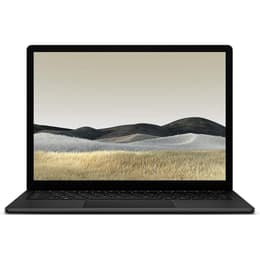
Microsoft Surface Laptop 3 13"
Starting at

Refurbished price:234.00

Versus €689.99 new

See options

Ratings

The Dell Latitude 7300 13 and the Microsoft Surface Laptop 3 13 are both 13-inch class notebooks released in 2019, offering distinct approaches to portable computing. While both run on the Windows operating system, the Latitude 7300 is designed with business and enterprise users in mind, emphasizing robust connectivity and upgradeability. In contrast, the Surface Laptop 3 focuses on a premium user experience with a sleek design and a high-resolution display, catering to users who prioritize aesthetics and a streamlined interface.

Scores

Durability

When considering the long-term usability of these devices, both the Dell Latitude 7300 13 and the Microsoft Surface Laptop 3 13, released in 2019, benefit from continued Windows operating system support. However, their design philosophies impact their practical lifespan and ease of maintenance.

  • Software Longevity: Both laptops, running Windows, receive regular security and feature updates from Microsoft, ensuring a consistent software experience for several years. The primary factor influencing their software lifespan will be the eventual discontinuation of hardware driver support.
  • Repairability and Upgradability: The Dell Latitude 7300 13 offers a significant advantage with user-upgradable RAM and SSD, allowing for easier maintenance and performance enhancements over time. Its service manual is readily available, facilitating repairs. The Surface Laptop 3, while an improvement over its predecessors with a replaceable SSD (by a technician), has soldered RAM, limiting future upgrades. Its battery is also noted as difficult to replace due to strong adhesive.
  • Build Durability: The Latitude 7300 features an aluminum or carbon-fiber chassis and has passed MIL-STD 810G durability tests, indicating a robust build for demanding environments. The Surface Laptop 3 also boasts a durable all-metal chassis or Alcantara fabric option, known for its solid construction.

Year of Release

2019

2019

OS

Windows 11

Windows 11

Performance

Both laptops deliver capable performance for everyday computing tasks, though their internal configurations and how they handle demanding workloads present some differences.

  • Processing Power: The Dell Latitude 7300 13 typically features 8th-generation Intel Core processors, which provide solid performance for general office applications, web browsing, and multitasking. The Microsoft Surface Laptop 3 13, on the other hand, is equipped with 10th-generation Intel Core processors, offering a slight edge in raw processing power and integrated graphics capabilities, which can translate to smoother performance in more intensive applications or light creative work.
  • Memory and Storage: The Latitude 7300 offers flexible RAM configurations, from 8GB up to 32GB, with two user-accessible slots for future upgrades. Storage options range up to 1TB NVMe SSDs, ensuring fast boot times and application loading. The Surface Laptop 3 comes with 8GB or 16GB of RAM, which is soldered and not user-upgradable. Its SSD storage is available up to 1TB and is technically replaceable by a technician, offering some flexibility.
  • Battery Behavior: The Dell Latitude 7300, with various battery capacity options, generally provides 8-10 hours of use on a single charge, making it suitable for a full workday. The Surface Laptop 3 also offers comparable battery life, typically around 9-10 hours with mixed usage, and supports fast charging for quick power top-ups.

Memory (GB)

16 GB

8 GB

Processor

Core i7 - Gen 8 (U)

Core i5 - Gen 10 (G7)

Graphic card

Integrated Graphics

Integrated Graphics

Screen quality

The visual experience on both laptops is a key differentiator, with each offering distinct display characteristics that cater to different user preferences.

  • Display Technology and Resolution: The Dell Latitude 7300 13 features a 13.3-inch display, with options for HD (1366x768) or Full HD (1920x1080) IPS panels. The Full HD options often come with an anti-glare finish, which is beneficial for working in varied lighting conditions. The Microsoft Surface Laptop 3 13, however, stands out with its 13.5-inch PixelSense display, boasting a higher resolution of 2256 x 1504 pixels and a 3:2 aspect ratio. This aspect ratio provides more vertical screen real estate, which can be advantageous for productivity tasks like document editing and web browsing.
  • Brightness and Clarity: The Latitude 7300's Full HD displays typically offer around 300 nits of brightness, with some configurations featuring a 'super low power' panel designed for efficiency. The Surface Laptop 3's display is known for its brightness and vivid colors, often reaching around 348 nits, making text and graphics appear sharp and clear. Its glossy finish, while enhancing color vibrancy, can be prone to reflections in bright environments.
  • Touch and Pen Support: The Surface Laptop 3 includes a touch screen and supports the Surface Pen, offering an interactive experience for note-taking or creative work. The Latitude 7300 offers touch screen as an optional feature on some Full HD configurations.

Audiovisual

For communication and media consumption, both laptops include standard features, but there are nuances in their implementation and user experience.

  • Webcam Performance: Both the Dell Latitude 7300 13 and the Microsoft Surface Laptop 3 13 are equipped with 720p webcams, suitable for video conferencing and online meetings. The Latitude 7300 often includes an infrared camera for Windows Hello facial recognition and a physical privacy shutter, enhancing security and convenience. Users have noted the Surface Laptop 3's webcam as surprisingly clear and effective for video calls.
  • Audio Quality: The Latitude 7300 features standard stereo speakers. The Surface Laptop 3 is frequently praised for its speaker quality, with users reporting loud, clear sound and good bass, even without visible speaker grilles, contributing to an immersive media consumption experience.
  • Microphone Quality: Both devices include internal microphones for voice input during calls and recordings. The Latitude 7300's webcam module often integrates the microphone. User feedback suggests the Surface Laptop 3's microphones are effective for clear communication.

Miscellaneous

Beyond core performance and display, several practical elements contribute to the overall user experience and suitability for different workflows.

  • Connectivity Options: The Dell Latitude 7300 13 offers a comprehensive selection of ports, including two USB 3.1 Type-A ports, a Thunderbolt 3 (USB-C) port, an HDMI 1.4a port, a microSD card reader, and an audio jack. It also supports optional Wi-Fi 6 and Gigabit Ethernet, making it highly versatile for connecting various peripherals and network environments. The Microsoft Surface Laptop 3 13 provides a more minimalist port selection, featuring one USB-A port, one USB-C port (without Thunderbolt 3 support), a headphone jack, and a Surface Connect port for charging and docking.
  • Physical Design and Handling: The Latitude 7300 starts at 1.24 kg and measures around 306 x 207 x 17 mm, with options for aluminum or carbon-fiber finishes. It is designed for business practicality. The Surface Laptop 3 is slightly heavier at 1.29 kg and has dimensions of 308 x 223 x 14.5 mm, offering a sleek, all-metal design or an Alcantara fabric keyboard deck option. Users often appreciate the premium feel and aesthetic of the Surface Laptop 3.
  • Security and Input: The Latitude 7300 often includes enterprise-grade security features like Intel vPro technology and optional fingerprint readers integrated into the power button, alongside its infrared camera for Windows Hello. Both laptops feature comfortable, backlit keyboards with good key travel, providing a positive typing experience. The Surface Laptop 3's trackpad is noted for its size and responsiveness.

Weight

3000 g

3000 g

Screen size

13

13

Both the Dell Latitude 7300 13 and the Microsoft Surface Laptop 3 13, while released in the same year, cater to different user priorities, as reflected in their design and feature sets. Users frequently praise the Latitude 7300 for its robust build quality, extensive port selection, and user-upgradable components, making it a practical choice for professionals who require flexibility and easy maintenance. Its strong battery life and anti-glare display options are also commonly highlighted as beneficial for productivity in various work environments. Some criticisms include its less exciting design compared to consumer-focused laptops and, in some configurations, a display that isn't as vibrant as competitors.

The Surface Laptop 3, conversely, receives acclaim for its premium, minimalist design, high-resolution PixelSense display, and excellent audio quality. Users appreciate its comfortable keyboard and responsive trackpad, contributing to a refined user experience. Common concerns sometimes revolve around its more limited port selection (lacking Thunderbolt 3) and the soldered RAM, which restricts future upgrades. Its glossy screen, while vibrant, can also be a point of contention for those working in brightly lit spaces due to reflections.

Users prioritizing a highly customizable and repairable workhorse with extensive connectivity will find the Dell Latitude 7300 13 well-suited to their needs. Conversely, those who value a sleek design, a high-quality touch display, and a premium user experience for general productivity and media consumption may lean toward the Microsoft Surface Laptop 3 13. Both models are available as quality-assured refurbished options, providing an eco-friendly alternative for consumers.

See all articles

Our recent comparisons