

Dell Latitude 5400 14" Vs Microsoft Surface Laptop 3 13"

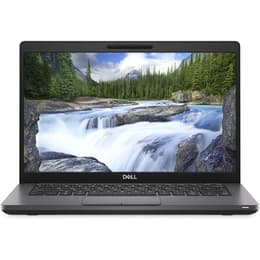
Dell Latitude 5400 14"
Starting at

Refurbished price:260.00

Versus €859.00 new

See options
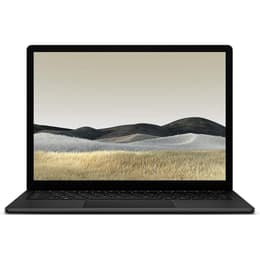
Microsoft Surface Laptop 3 13"
Starting at

Refurbished price:234.00

Versus €689.99 new

See options

Ratings

The Dell Latitude 5400 14 and the Microsoft Surface Laptop 3 13 are both laptops released in 2019, offering distinct approaches to portable computing. While the Latitude 5400 is designed with business and enterprise users in mind, emphasizing durability and extensive connectivity, the Surface Laptop 3 13 targets consumers and professionals seeking a premium, sleek, and highly portable device. Both run on the Windows operating system, but their core philosophies lead to different user experiences.

Scores

Durability

When considering the long-term usability of these devices, their release year and design philosophies play a significant role.

  • Release Timeline: Both the Dell Latitude 5400 and the Microsoft Surface Laptop 3 13 were released in 2019. This means they share a similar starting point for software support and component aging.
  • Software Longevity: Both devices shipped with Windows 10 and are compatible with Windows 11, extending their supported lifespan beyond the Windows 10 end-of-support date in October 2025.
  • Repairability: The Dell Latitude series is generally known for its repair-friendly design, catering to IT departments and allowing for easier component replacement and upgrades. The Surface Laptop 3, while an improvement over its predecessors, received a 5 out of 10 repairability score from iFixit, indicating that while some components like the SSD are more accessible, others, such as the glued-down battery, remain challenging to replace.
  • Practical Lifespan: The Latitude 5400's robust build and repairability contribute to a potentially longer practical lifespan for users who intend to maintain or upgrade their device. The Surface Laptop 3's more integrated design, while aesthetically pleasing, can make long-term maintenance more complex.

Year of Release

2019

2019

OS

Windows 11

Windows 11

Performance

The performance of these laptops is influenced by their internal components and how they handle various tasks.

  • Processor Capabilities: The Dell Latitude 5400 typically features 8th-generation Intel Core processors, providing solid performance for business applications, multitasking, and general productivity. The Microsoft Surface Laptop 3 13, on the other hand, comes with 10th-generation Intel Core processors, which generally offer improved efficiency and slightly better performance for everyday computing and light creative tasks.
  • Storage Options: Both models offer solid-state drive (SSD) storage, contributing to fast boot times and responsive application loading. The Latitude 5400 can be configured with up to 1TB NVMe PCIe M.2 SSDs and also has options for 2.5-inch SATA drives, while the Surface Laptop 3 offers SSDs up to 1TB, with the SSD being removable by a skilled technician.
  • Multitasking and Responsiveness: The Latitude 5400 supports up to 32GB or 64GB of DDR4 RAM across two SODIMM slots, offering significant headroom for heavy multitasking and demanding applications. The Surface Laptop 3 13 is available with 8GB or 16GB of LPDDR4x RAM, which is efficient for general use and moderate multitasking.
  • Battery Behavior: The Dell Latitude 5400 is noted for its strong battery life, with some configurations offering up to 13 hours of web browsing, making it suitable for extended work sessions away from power outlets. The Surface Laptop 3 13 provides up to 11.5 hours of typical device usage, which is generally sufficient for a full workday.

Memory (GB)

16 GB

8 GB

Processor

Core i5 - Gen 8 (U)

Core i5 - Gen 10 (G7)

Graphic card

Integrated Graphics

Integrated Graphics

Screen quality

The visual experience on these laptops differs based on their display technologies and specifications.

  • Display Technology and Resolution: The Dell Latitude 5400 typically features a 14-inch display with various options, including HD (1366 x 768) and Full HD (1920 x 1080) IPS panels, often with anti-glare properties. The Microsoft Surface Laptop 3 13 boasts a 13.5-inch PixelSense touchscreen display with a higher resolution of 2256 x 1504 pixels and a 3:2 aspect ratio, providing a sharper image and more vertical screen real estate.
  • Brightness and Clarity: The Latitude 5400's Full HD panels typically measure around 220 nits of brightness, which is adequate for indoor use, though some users have noted it can be dim in brighter environments. The Surface Laptop 3's display is generally praised for its crispness and brightness, offering a more vibrant viewing experience.
  • Touch and Refresh Rate: The Surface Laptop 3 features a touch-enabled display, enhancing interactivity, and both models typically have a standard 60Hz refresh rate. While the Latitude 5400 has optional touchscreens, it is more commonly found with non-touch displays.
  • Viewing Experience: The Surface Laptop 3's 3:2 aspect ratio is often preferred for productivity tasks like document editing and web browsing, as it shows more content vertically. The Latitude 5400's 16:9 aspect ratio is more common for media consumption.

Audiovisual

The audio and visual components contribute to the overall communication and media consumption experience.

  • Camera System: The Dell Latitude 5400 includes a webcam, and some configurations offer an optional IR camera for Windows Hello facial recognition, along with a privacy shutter. The Microsoft Surface Laptop 3 13 features a 720p HD f2.0 front-facing camera with Windows Hello face authentication, providing clear video for calls.
  • Microphone Quality: The Surface Laptop 3 is equipped with dual far-field Studio Mics, designed to capture clear audio during calls and recordings, even from a distance. Information on the Latitude 5400's microphone quality is less prominent, but it includes an internal microphone suitable for standard communication.
  • Speaker Output: The Surface Laptop 3 features Omnisonic Speakers with Dolby Audio, offering a rich and immersive sound experience for media consumption. The Latitude 5400 includes integrated speakers, which are functional for general audio needs but may not offer the same level of audio fidelity as the Surface Laptop 3.
  • Video Recording: Both laptops are capable of standard video conferencing, with the Surface Laptop 3's camera and microphone setup potentially offering a more refined experience for frequent video calls.

Miscellaneous

Beyond core performance and display, several practical elements differentiate these two laptops.

  • Connectivity Options: The Dell Latitude 5400 offers a comprehensive selection of ports, including multiple USB 3.1 Type-A ports, a USB 3.1 Type-C port with Power Delivery and DisplayPort support (with optional Thunderbolt 3), HDMI, RJ-45 Ethernet, and a microSD card reader. The Microsoft Surface Laptop 3 13 provides a more streamlined port selection, featuring one USB-A, one USB-C, a 3.5mm headphone jack, and a Surface Connect port. Both support Wi-Fi and Bluetooth, with the Surface Laptop 3 13 supporting Wi-Fi 6.
  • Weight and Dimensions: The Latitude 5400 weighs around 1.48 kg and has a 14-inch form factor, making it a portable option for business users. The Surface Laptop 3 13 is lighter at approximately 1.25 kg and features a more compact 13.5-inch design, enhancing its portability for users on the go.
  • Build Materials: The Latitude 5400 often utilizes a durable chassis, sometimes incorporating carbon fiber composite and post-consumer recycled materials, designed to withstand business environments and passing MIL-STD 810G testing. The Surface Laptop 3 features a premium aluminum chassis, with some models offering an Alcantara fabric keyboard deck, providing a more refined aesthetic.
  • Security Features: Both laptops support Windows Hello for secure login. The Latitude 5400 can include optional fingerprint readers and IR cameras, along with a webcam privacy shutter. The Surface Laptop 3 uses its integrated IR camera for Windows Hello face authentication.

Weight

1520 g

3000 g

Screen size

14

13

User feedback for the Dell Latitude 5400 often praises its robust build quality, strong performance for productivity tasks, and excellent battery life, making it a reliable workhorse. Some common criticisms include a generally uninspired design and a display that can be dim or lack vibrant colors compared to more consumer-oriented devices. The Microsoft Surface Laptop 3 13 receives commendation for its premium design, high-resolution touchscreen, and comfortable keyboard and trackpad. However, some users have reported issues with overheating during charging and inconsistent battery life, along with occasional software glitches.

Users prioritizing a highly durable, business-focused laptop with extensive port options and strong repairability will find the Dell Latitude 5400 well-suited to their needs. Its long battery life and robust construction make it ideal for professionals who require a dependable machine for demanding work environments or frequent travel. Conversely, individuals seeking a sleek, lightweight, and aesthetically pleasing laptop with a vibrant, high-resolution touchscreen and a premium user experience may lean toward the Microsoft Surface Laptop 3 13. It is a strong choice for those who value design and a refined media consumption experience, provided their workflow does not consistently push the device to its thermal limits. Both models, when considered as quality-assured refurbished options, present an eco-friendly alternative for consumers.

See all articles

Our recent comparisons