

Galaxy A13 Vs Xiaomi Redmi Note 13

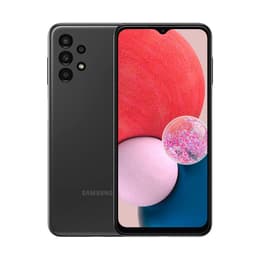
Galaxy A13
Galaxy A13
Starting at

Refurbished price:97.00

Versus €249.00 new

See options
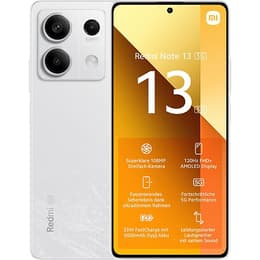
Xiaomi Redmi Note 13
Starting at

Refurbished price:137.00

Versus €340.00 new

See options

Ratings

The Samsung Galaxy A13 and the Xiaomi Redmi Note 13 are both smartphones designed for everyday use, offering a range of features for communication, media consumption, and productivity. The Galaxy A13 was released in March 2022, while the Redmi Note 13 arrived globally in January 2024. These devices cater to users seeking reliable mobile experiences, with the Redmi Note 13 featuring a more recent operating system and display technology.

Scores

Durability

When considering the long-term usability of these devices, their release timelines and software support policies are key factors.

  • Release Timeline: The Galaxy A13 launched in March 2022, making it an older model compared to the Redmi Note 13, which was released globally in January 2024. This difference in launch dates means the Redmi Note 13 benefits from a more current starting point for its software lifecycle.
  • OS Support Duration: The Galaxy A13 typically receives two major Android OS updates, reaching up to Android 14, with security updates expected until late 2025. In contrast, the Redmi Note 13 is committed to receiving three major Android OS updates, extending its support to Android 16, along with four years of security updates until January 2028.
  • Practical Lifespan: Users can expect the Redmi Note 13 to offer a longer period of official software and security support, potentially making it a more future-proof option for those who keep their devices for several years. Both devices feature Corning Gorilla Glass 5 for screen protection, contributing to their physical durability.

Year of Release

2022

2024

Compatible with latest Update

No

Yes

OS

Android

Android

Foldable

No

No

Performance

The performance of a smartphone impacts how smoothly applications run and how efficiently daily tasks are handled.

  • Processor Capabilities: The Galaxy A13 is equipped with an Exynos 850 processor, which handles general tasks like browsing and social media. The Redmi Note 13 features a Snapdragon 685 processor, offering a more responsive experience for everyday applications and multitasking.
  • System Responsiveness: Users of the Galaxy A13 have reported that performance can slow down over time, particularly with heavier use or after several months. The Redmi Note 13 generally provides smoother navigation and app switching, though it may not be designed for demanding gaming.
  • Storage and RAM: Both devices offer various configurations of RAM and internal storage. The Redmi Note 13 typically starts with higher base RAM options, which can contribute to better multitasking capabilities compared to some Galaxy A13 variants.

Memory (GB)

4 GB

8 GB

Screen quality

The display is a primary interface for smartphone interaction, influencing visual clarity and overall user experience.

  • Display Technology: The Galaxy A13 features a 6.6-inch PLS LCD panel, which provides clear visuals for general content. The Redmi Note 13 steps up to a 6.67-inch AMOLED display, known for its deeper blacks, higher contrast, and vibrant colors.
  • Refresh Rate: The Galaxy A13 has a standard 60Hz refresh rate, suitable for typical scrolling and video playback. The Redmi Note 13 offers a smoother visual experience with a 120Hz refresh rate, making scrolling and animations appear more fluid.
  • Resolution and Brightness: Both phones offer a Full HD+ resolution, ensuring sharp text and images. The AMOLED panel on the Redmi Note 13 generally achieves higher peak brightness levels, which can improve visibility in bright outdoor conditions.

Resolution

1080 x 2408

1080 x 2400

Screen type

PLS LCD

AMOLED

Audiovisual

Camera systems are a significant consideration for many users, impacting the quality of photos and videos captured.

  • Main Camera Performance: The Galaxy A13 includes a 50-megapixel main camera that performs well in good lighting conditions. The Redmi Note 13 features a 108-megapixel main sensor, capable of capturing highly detailed images, especially in well-lit environments.
  • Additional Lenses: Both devices include ultrawide and macro lenses. User feedback suggests that the auxiliary cameras on both the Galaxy A13 and Redmi Note 13, such as the ultrawide and macro, offer more modest performance compared to their main sensors.
  • Video and Front Camera: For video recording, both phones support Full HD resolution. The Redmi Note 13 has a 16-megapixel front camera, offering higher resolution selfies compared to the Galaxy A13's 8-megapixel front camera.

Main camera

50 megapixels

108 megapixels

Front camera

8 megapixels

16 megapixels

Miscellaneous

Beyond core features, several practical elements contribute to the daily usability and convenience of a smartphone.

  • Connectivity and Ports: Both devices support 4G connectivity and common Wi-Fi standards. The Galaxy A13 includes a 3.5mm headphone jack and a USB-C port. The Redmi Note 13 also features a 3.5mm headphone jack and a USB-C port, alongside Bluetooth 5.1 for potentially more stable wireless connections.
  • Biometric Security: The Galaxy A13 uses a side-mounted fingerprint sensor for secure unlocking. The Redmi Note 13 offers an in-display fingerprint sensor, providing a modern and often convenient unlocking method.
  • Design and Handling: The Galaxy A13 has dimensions of 165.1 x 76.4 x 8.8 mm and weighs 195g. The Redmi Note 13 is slightly thinner and lighter at 162.3 x 75.6 x 8 mm and 188.5g, which may contribute to a more comfortable in-hand feel for some users.

Weight

195 g

175 g

Screen size (in)

6.6

6.67

Network

4G

5G

SIM card

Dual Physical SIM

Dual Physical SIM

Carrier compatibility

Unlocked

Unlocked

The Samsung Galaxy A13 and Xiaomi Redmi Note 13 offer distinct experiences for users seeking a functional smartphone. Users often praise the Galaxy A13 for its reliable battery life and the presence of a headphone jack and expandable storage. However, common criticisms include its tendency for performance to degrade over time and the limitations of its 60Hz LCD display.

The Redmi Note 13, being a newer device, frequently receives positive remarks for its vibrant 120Hz AMOLED display, faster charging capabilities, and a main camera that captures detailed images. Some users note that its ultrawide and macro cameras are average, and while performance is suitable for daily tasks, it may not satisfy heavy gamers.

Users prioritizing a longer software support window and a more modern display technology will find the Redmi Note 13 well-suited to their needs. Those who value a more established brand and are content with a simpler, more budget-oriented experience might lean towards the Galaxy A13. Both devices are available as quality-assured refurbished options, providing an eco-friendly alternative for consumers.


See all articles

Our recent comparisons