

Compare models
Dell Latitude 5520 15" Vs Microsoft Surface Pro 7 12"
- 1-year minimum warranty
- Free delivery on all orders
- Free 30-day returns
Differences at a glance
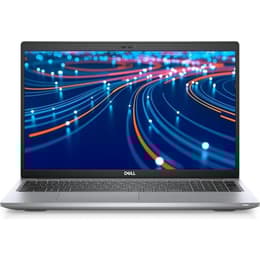
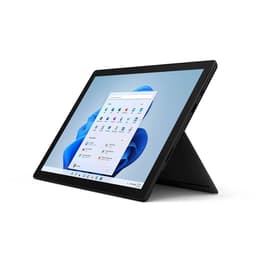
The Dell Latitude 5520, released in 2021, is a traditional business laptop designed for productivity, while the Microsoft Surface Pro 7, launched in 2019, offers a versatile 2-in-1 detachable tablet experience. Both devices operate on the Windows platform, providing a familiar software environment, but they cater to different user needs through their distinct form factors and design philosophies. The Latitude 5520 emphasizes a conventional laptop experience with a larger screen, whereas the Surface Pro 7 prioritizes portability and touch interaction.
Available Models
Storage (GB)
Processor
Memory (GB)
Scores
Durability
When considering the long-term usability of these devices, their release timelines and the nature of their designs play a significant role.
- Release Timeline: The Dell Latitude 5520 was released in 2021, making it a more recent device compared to the Microsoft Surface Pro 7, which debuted in late 2019. This difference in release year means the Latitude 5520 generally benefits from a slightly longer period of expected software support and access to newer hardware features.
- Software Longevity: Both devices run on the Windows operating system, which typically receives security updates and feature enhancements for an extended period. Microsoft generally provides around 10 years of support for its Windows versions, ensuring both devices will continue to receive critical updates for several years to come.
- Repairability: The Dell Latitude 5520 is designed with easier access to internal components, featuring captive Phillips-head screws for straightforward disassembly, allowing for potential upgrades to RAM and storage. In contrast, the Microsoft Surface Pro 7 has a lower repairability score, with components often being more challenging to access and replace, which can impact its practical lifespan if hardware issues arise.
Year of Release
2021
2019
Last Os Compatibility
Yes
Yes
OS
Windows 11
Windows 11
Performance
The performance capabilities of these two devices are influenced by their internal components and how they handle various tasks.
- Processor Capabilities: The Dell Latitude 5520 features 11th-generation Intel Core processors, which provide efficient performance for demanding applications and multitasking. The Microsoft Surface Pro 7 is equipped with 10th-generation Intel Core processors, offering solid performance for everyday computing, web browsing, and productivity tasks.
- Memory and Storage: The Latitude 5520 offers two SODIMM slots for RAM, supporting up to 64GB, and two M.2 PCIe storage slots, providing flexibility for upgrades and ample space for files and applications. The Surface Pro 7 comes with soldered RAM configurations up to 16GB and SSD storage options up to 1TB, which are not user-upgradeable in the standard model.
- Battery Behavior: The Dell Latitude 5520, with its larger 63Wh battery option, can deliver up to 14 hours of web browsing or 10 hours of video playback, with typical usage ranging from 8 to 12 hours. The Surface Pro 7, with a 43.2Wh battery, has a claimed battery life of up to 10.5 hours, though real-world usage often sees around 7 to 8 hours for web surfing, and some users report shorter durations with heavy use.
Graphic card
Integrated Graphics
Integrated Graphics
Screen quality
The visual experience on both devices differs significantly due to their display technologies and form factors.
- Display Technology and Resolution: The Dell Latitude 5520 typically features a 15.6-inch Full HD (1920 x 1080) IPS display with a 16:9 aspect ratio, providing clear visuals for general use. The Microsoft Surface Pro 7 boasts a 12.3-inch PixelSense IPS touchscreen with a higher resolution of 2736 x 1824 pixels and a 3:2 aspect ratio, which is often preferred for productivity tasks like document editing.
- Brightness and Clarity: The Latitude 5520 offers a maximum brightness of around 275 nits, which is suitable for indoor environments but may struggle in bright outdoor conditions. The Surface Pro 7 provides a brighter display, reaching approximately 395 nits, enhancing visibility in varied lighting. Both displays offer good viewing angles and contrast.
- Touch and Refresh Rate: The Surface Pro 7 features a responsive 10-point multi-touch display, supporting pen input, which is integral to its 2-in-1 functionality. Both devices typically have a standard 60Hz refresh rate, providing a smooth experience for most daily tasks. The Surface Pro 7's display also uses high-frequency PWM for brightness adjustment below 104 nits, which is generally imperceptible to most users.
Resolution
1920 x 1080
2736 x 1824
Screen type
LCD
IPS
Audiovisual
For communication and media consumption, the audio and visual components of each device present different strengths.
- Camera System: The Dell Latitude 5520 includes an HD webcam with a privacy shutter, and an optional IR sensor for facial recognition, suitable for video conferencing and secure logins. The Microsoft Surface Pro 7 features a 5MP front-facing camera and an 8MP rear-facing camera, both capable of 1080p video, making it well-suited for video calls and occasional photography. It also includes Windows Hello face authentication for convenient and secure access.
- Microphone Quality: The Surface Pro 7 incorporates dual far-field Studio Mics, designed to capture clear audio during calls and recordings by focusing on the user's voice. Information on the Latitude 5520's microphone quality is less detailed, but it is equipped with dual array microphones.
- Speaker Output: The Latitude 5520's speakers offer decent quality, though some reviews note minor deviations across the frequency spectrum. The Surface Pro 7 features dual front-facing speakers that provide good sound, especially for a tablet, enhancing the media consumption experience.
Miscellaneous
Beyond core specifications, several practical elements contribute to the overall user experience of these devices.
- Connectivity Options: Both the Dell Latitude 5520 and the Microsoft Surface Pro 7 support modern wireless standards, including Wi-Fi 6 and Bluetooth 5.0 or 5.2, ensuring fast and reliable connections. The Latitude 5520 also offers an RJ45 Ethernet port for wired network stability and optional microSIM support for cellular connectivity.
- Port Types: The Latitude 5520 provides a comprehensive selection of ports, including two Thunderbolt 4 (or Thunderbolt 3 depending on processor generation), two USB 3.2 Gen 1 ports, HDMI, and a microSD card slot, offering extensive peripheral compatibility. The Surface Pro 7 includes one USB-C port (USB 3.1 standard), one USB-A port, a Surface Connect port, and a microSDXC card reader, providing essential connectivity but with fewer options than the Latitude.
- Weight and Dimensions: The Dell Latitude 5520 is a 15.6-inch laptop weighing approximately 1.59 kg and measuring 19.9mm thick, making it a relatively portable traditional laptop. The Microsoft Surface Pro 7 is a more compact and lighter 2-in-1 device, weighing around 0.77 kg and measuring 8.5mm thick, designed for high mobility and tablet-like usage.
Weight
1600 g
775 g
Screen size
15
12
What the community thinks
The Dell Latitude 5520 and Microsoft Surface Pro 7 cater to distinct user preferences, each excelling in different areas. Users often praise the Latitude 5520 for its robust build, comprehensive port selection, and upgradeability, making it a solid choice for those who value a traditional laptop experience with long-term flexibility. Its larger screen and comfortable keyboard with a dedicated numpad are frequently highlighted as beneficial for extended work sessions.
Conversely, the Surface Pro 7 is lauded for its exceptional portability, high-resolution touchscreen, and versatile 2-in-1 design, which allows it to function as both a tablet and a laptop. Its clear display and integrated kickstand are often cited as strong points for media consumption and on-the-go productivity. However, some users note its relatively thick bezels and the non-upgradeable nature of its RAM and storage as potential drawbacks.
Users prioritizing a stable, traditional laptop form factor with extensive connectivity and upgrade options may find the Dell Latitude 5520 better suited to their needs. Those who require a highly portable device with touchscreen functionality, pen support, and the flexibility of a tablet will likely lean towards the Microsoft Surface Pro 7. Both devices offer a reliable Windows experience, and considering a quality-assured refurbished option for either model can be a sustainable choice for informed buyers.