
iPhone

Compare models
Differences at a glance
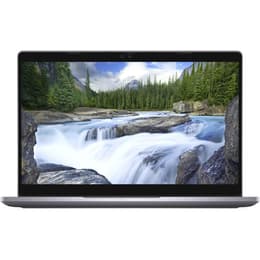
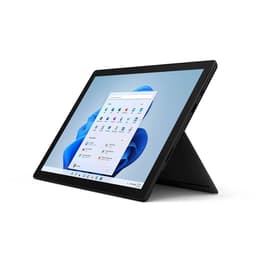
The Dell Latitude 5310 13, released in 2020, is a business-oriented laptop that also offers a 2-in-1 convertible option, providing a traditional computing experience. In contrast, the Microsoft Surface Pro 7 12, launched in 2019, is a versatile 2-in-1 tablet designed to function as a laptop with its detachable keyboard. Both devices operate on the Windows platform, delivering a consistent software environment. Their primary differences lie in their form factors and how they are intended to be used, with the Latitude focusing on a conventional laptop setup and the Surface Pro emphasizing portability and touch-based interaction.
Storage
Processor
Memory
The Dell Latitude 5310 13 and the Microsoft Surface Pro 7 12, released in 2020 and 2019 respectively, present different considerations for long-term use and maintenance. The Latitude, often built with business environments in mind, typically features a magnesium case and rigid hinges, contributing to a solid build that resists fingerprints. Its design often allows for easier access to internal components, which can facilitate upgrades and repairs, potentially extending its functional lifespan. The Surface Pro 7, while featuring a sturdy magnesium alloy chassis, has a more integrated construction, making component replacement more challenging. Both devices receive ongoing Windows operating system updates, ensuring continued software compatibility for several years. The Latitude's slightly newer release date may offer a marginal advantage in terms of official software support duration.
Year of Release
Last Os Compatibility
OS
Both the Dell Latitude 5310 13 and the Microsoft Surface Pro 7 12 are powered by 10th generation Intel Core processors, delivering capable performance for a range of daily computing tasks. The Latitude 5310 offers a broader selection of RAM configurations, with options extending up to 32GB, which can be advantageous for users who frequently engage in heavy multitasking or run multiple demanding applications simultaneously. For common activities such as web browsing, document editing, and streaming media, both devices provide a responsive and smooth user experience. Individuals requiring sustained performance for more intensive workloads, like complex data processing or light creative work, might find the Latitude's higher RAM capacity options more suitable for their needs.
Graphic card
The display characteristics of the Dell Latitude 5310 13 and the Microsoft Surface Pro 7 12 cater to different visual preferences and usage scenarios. The Latitude features a 13.3-inch Full HD (1920x1080) anti-glare display, which is beneficial for productivity in varied lighting conditions by minimizing reflections. The Surface Pro 7, conversely, incorporates a 12.3-inch PixelSense display with a higher resolution of 2736 x 1824 and a 3:2 aspect ratio. This higher pixel density and aspect ratio offer more vertical screen space, which can enhance the experience for reading documents and browsing websites, while its glossy finish typically delivers more vibrant colors.
Resolution
Screen type
The camera and audio features of these two devices are tailored to their respective design philosophies. The Dell Latitude 5310 13 includes a standard 720p HD webcam, which is adequate for typical video conferencing and online meetings, aligning with its business laptop identity. The Microsoft Surface Pro 7 12, designed with a strong emphasis on its tablet capabilities, offers more advanced camera specifications, featuring a 5.0MP front-facing camera for clearer video calls and an 8.0MP rear-facing autofocus camera for capturing images and videos. Both devices provide satisfactory microphone quality for communication, but the Surface Pro 7 often integrates dual far-field Studio Mics for enhanced voice pickup and clarity.
The Dell Latitude 5310 13 and Microsoft Surface Pro 7 12 exhibit distinct characteristics in terms of connectivity, port availability, and physical design. The Latitude, as a business-focused laptop, provides a comprehensive selection of ports, including multiple USB-A and USB-C ports, HDMI, and an Ethernet port, accommodating a wide array of peripherals and wired network connections. The Surface Pro 7, prioritizing portability and a sleek form factor, offers a more streamlined port selection, featuring one USB-C, one USB-A, and a proprietary Surface Connect port. The Latitude is generally heavier and thicker, providing a traditional laptop feel, while the Surface Pro is lighter and thinner, optimized for tablet use and easy transport.
Weight
Screen size
Users frequently commend the Dell Latitude 5310 13 for its durable construction, extensive port selection, and consistent performance, making it a reliable choice for professional and productivity-focused tasks. Some feedback points to its more conventional laptop design, which might not appeal to those seeking a modern 2-in-1 experience. The Microsoft Surface Pro 7 12 is often praised for its adaptable 2-in-1 form factor, high-resolution PixelSense display, and excellent portability, making it a popular option for users who prioritize flexibility and a premium tablet experience. Criticisms sometimes highlight its more limited port options and the fact that essential accessories like the Type Cover are often sold separately. Some users have also reported occasional software issues or concerns about battery life, particularly with higher-end configurations.
Users who prioritize a traditional laptop experience with a comprehensive range of connectivity options and a focus on long-term productivity and potential for internal upgrades may find the Dell Latitude 5310 13 well-suited to their requirements. Conversely, individuals who value portability, a high-resolution touch display, and the versatility of a device that seamlessly transitions between tablet and laptop modes will likely lean toward the Microsoft Surface Pro 7 12. Both devices offer a robust Windows experience, and the decision between them often depends on individual preferences for form factor and specific usage needs. For those considering a more sustainable choice, both models are available as quality-assured refurbished options, providing an eco-friendly alternative to purchasing new.