

Compare models

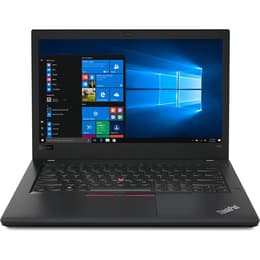
Dell Latitude 5430 14" Vs Lenovo ThinkPad T480 14"

  • 1-year minimum warranty
  • Free delivery on all orders
  • Free 30-day returns
Dell Latitude 5430 14"
Starting at

Refurbished price:€380.00

Versus €1,024.78 new

See options
Lenovo ThinkPad T480 14"
Starting at

Refurbished price:€338.00

Versus €1,299.00 new

See options

Differences at a glance

The Dell Latitude 5430 (2022) and the Lenovo ThinkPad T480 (2018) are both 14-inch business laptops designed for professional work environments and productivity tasks. While they share a focus on enterprise-grade reliability and keyboard comfort, they belong to different generations of hardware development. The primary differences lie in their release timelines, internal processing capabilities, and physical design profiles, which influence how each handles modern software demands and daily mobility.

Operating on Windows environments, both laptops accommodate standard office software, yet the differences in internal hardware generations shape their overall suitability for modern workflows. This comparison examines how their practical features, screen characteristics, and longevity stack up to help users determine which system aligns with their working style.

Available Models

Storage

Processor

Memory

Scores

Durability

When evaluating the longevity and structural support of these two business laptops, several generational and maintenance factors come into play regarding their ongoing viability.

  • Software and Security Support: The Dell Latitude 5430 benefits from a more recent release year, ensuring compatibility with current operating systems and security patches for a longer duration. The Lenovo ThinkPad T480, having launched several years prior, approaches the latter stages of its supported software lifecycle for certain advanced operating system features.
  • Repairability and Maintenance: Both machines feature modular designs that allow IT technicians or users to replace components like batteries, storage drives, and memory modules relatively easily. The older ThinkPad model maintains a reputation for straightforward part replacement, while the newer Latitude utilizes slightly more integrated internal layouts while retaining serviceability.
  • Expected Lifespan: Users seeking extended hardware lifespans for current enterprise requirements will find the newer internal architecture of the Dell Latitude 5430 provides a more future-ready baseline for ongoing computing demands.

Year of Release

2022

2017

Last Os Compatibility

Yes

Yes

OS

Windows 11

Windows 11

Performance

Daily responsiveness, multitasking handling, and overall speed distinguish these two laptops due to the significant gap in their underlying processing architectures.

  • Processor Capabilities and Multitasking: The Dell Latitude 5430 handles demanding office applications, heavy browser tab loads, and concurrent background tasks smoothly thanks to its current-generation processor architecture. The Lenovo ThinkPad T480 manages basic word processing, email management, and light web browsing adequately, though it shows limitations when running multiple resource-intensive applications simultaneously.
  • Storage and Memory Configurations: Both devices support solid-state drive technology for quick system boot times and file transfers, though the Latitude offers higher maximum RAM capacities and faster data throughput configurations suitable for modern professional software suites.
  • Battery Behavior: The Dell Latitude 5430 incorporates power-efficient components that generally sustain a full workday of standard office tasks on a single charge, whereas the older Lenovo ThinkPad T480 may require midday recharging or battery replacement depending on the specific dual-battery configuration installed and battery health degradation over time.

Graphic card

Integrated Graphics

Integrated Graphics

Screen quality

Visual clarity, panel technology, and everyday display ergonomics differ noticeably between these two 14-inch professional workstations.

  • Display Technology and Resolution: The Dell Latitude 5430 typically features higher-resolution panel options with improved color reproduction and contrast ratios, making extended reading and document editing more comfortable. The Lenovo ThinkPad T480 often utilizes standard high-definition or basic full-definition panels that suffice for routine text work but offer more muted colors and narrower viewing angles.
  • Brightness Levels: Outdoor and bright office usability favors the Dell Latitude 5430 due to its higher maximum nit brightness, reducing glare under direct lighting. The Lenovo ThinkPad T480 features dimmer panel configurations that can appear washed out near sunny windows or under harsh overhead lights.
  • Viewing Experience: Both laptops provide matte, anti-glare screen finishes that minimize reflections, but the sharper text rendering on the Latitude's display reduces eye strain during prolonged daily use.

Resolution

1920 x 1080

1920 x 1080

Screen type

IPS

IPS

Camera

Audiovisual

Media consumption, remote communication tools, and audio output capabilities vary between these office-oriented portables.

  • Webcam and Video Calls: The Dell Latitude 5430 includes an updated webcam sensor, often with higher resolution options and better low-light handling, which improves clarity during virtual meetings. The Lenovo ThinkPad T480 relies on an older camera sensor that delivers softer image details and struggles in dimly lit environments.
  • Microphone Quality: Dual-array microphones on the Latitude do a cleaner job of isolating voice frequencies and reducing background room noise during calls compared to the single microphone setup found on the older ThinkPad.
  • Speaker Output: Both laptops position their stereo speakers downward or forward for basic office alert sounds and casual video viewing, though neither system provides deep bass or rich audio output suitable for immersive music listening without external headphones or speakers.

Miscellaneous

Physical dimensions, port selections, and connectivity standards reflect the design shifts between these two eras of portable computing.

  • Port Selection: The Lenovo ThinkPad T480 preserves a wide array of legacy connections including standard USB-A ports, full-size HDMI, an Ethernet port, and a dedicated docking connector without requiring dongles. The Dell Latitude 5430 transitions more heavily toward modern standards, featuring versatile USB-C ports with power delivery alongside traditional USB-A and HDMI connections.
  • Wireless Connectivity: The Dell model supports faster Wi-Fi standards and more efficient Bluetooth versions, ensuring stable connections on modern high-density wireless networks. The ThinkPad relies on older wireless hardware that functions reliably on standard networks but lacks the throughput speeds of newer standards.
  • Dimensions and Weight: The Dell Latitude 5430 features a slightly sleeker, lighter chassis profile that fits easily into standard backpacks, while the Lenovo ThinkPad T480 employs a slightly thicker, boxier frame built to traditional rugged enterprise standards.

Weight

1360 g

1580 g

Screen size

14

14

What the community thinks

User discussions across community forums frequently highlight the Lenovo ThinkPad T480 for its legendary keyboard tactile feedback, extensive port variety, and exceptional modular repairability, making it a favorite for tinkering and basic typing tasks. However, users frequently note that its older processor architecture and diminishing battery life limit its usefulness for heavy modern workloads. Conversely, the Dell Latitude 5430 receives praise for its robust everyday speed, improved display clarity, and modern connectivity options, though some users mention that its plastic chassis feel lacks the rigid texture of older business-class designs.

Users prioritizing maximum processing speed, longer daily battery life, and modern display clarity for professional applications will find the Dell Latitude 5430 well-suited to their needs. Meanwhile, users who prioritize an extensive selection of physical ports, a classic typing experience, and straightforward component maintenance may lean toward the Lenovo ThinkPad T480. Exploring a quality-assured refurbished option provides an eco-friendly alternative for acquiring either device while reducing electronic waste. Ultimately, the choice depends on whether the workflow demands contemporary performance headroom or traditional enterprise connectivity.

Our recent comparisons








