

Dell Latitude 5400 14" Vs Microsoft Surface Pro 6 12"

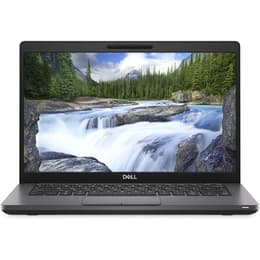
Dell Latitude 5400 14"
Starting at

Refurbished price:398.00

Versus €1,030.00 new

See options
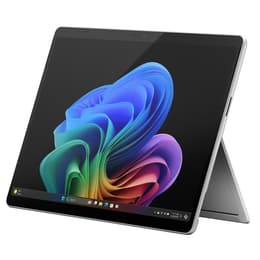
Microsoft Surface Pro 6 12"
Starting at

Refurbished price:424.00

Versus €899.00 new

See options

Ratings

The Dell Latitude 5400, released in 2019, is a traditional 14-inch business-oriented laptop, while the Microsoft Surface Pro 6, launched in October 2018, is a 12.3-inch 2-in-1 detachable tablet. These devices offer distinct user experiences, primarily differing in their form factor and approach to portability and functionality. Both run on the Windows operating system, providing a familiar software environment for users.

Scores

Durability

When considering the longevity of these devices, both the Dell Latitude 5400 and the Microsoft Surface Pro 6, being Windows-based systems, benefit from consistent software updates from Microsoft. The Dell Latitude 5400, released slightly later in 2019, may receive operating system support for a marginally longer period compared to the Surface Pro 6 from late 2018.

  • Software Support: Both devices are compatible with Windows 10, and the Latitude 5400 is noted to be compatible with Windows 11, potentially extending its supported lifespan.
  • Physical Durability: The Latitude 5400 features a durable chassis, having undergone MIL-STD 810G testing, indicating resilience against various environmental stresses, and includes a spill-resistant keyboard. The Surface Pro 6, with its magnesium alloy unibody and kickstand, offers a robust build for a hybrid device, though its detachable nature introduces different considerations for wear and tear.
  • Practical Lifespan: Users can expect several years of practical use from either device, especially when considering quality-assured refurbished options, which often come with warranties.

Year of Release

2017

2017

Last Os Compatibility

Yes

Yes

OS

Windows 11

Windows 11

Performance

Both the Dell Latitude 5400 and the Microsoft Surface Pro 6 are equipped with 8th generation Intel Core processors, providing capable performance for everyday computing tasks.

  • Everyday Responsiveness: For general productivity, web browsing, and office applications, both devices offer smooth and responsive operation. The Latitude 5400, with its traditional laptop design, often allows for more extensive RAM configurations, with options up to 32GB or even 64GB, which can benefit heavy multitasking. The Surface Pro 6 typically comes with 8GB or 16GB of RAM, which is sufficient for most users.
  • Demanding Applications: While neither is designed for intensive graphical tasks like high-end gaming or professional video editing without a dedicated graphics card (optional on some Latitude 5400 configurations), they handle demanding apps within their intended use cases effectively.
  • Storage Options: Both models offer fast NVMe PCIe M.2 SSD storage, contributing to quick boot times and application loading. The Latitude 5400 also has options for larger storage capacities and a 2.5-inch SATA drive.

Memory (GB)

16 GB

8 GB

Processor

Core i5 - Gen 8 (U)

Core i5 - Gen 8 (U)

Graphic card

Integrated Graphics

Integrated Graphics

Screen quality

The display experience differs significantly between these two devices, catering to different user preferences and use cases.

  • Display Technology and Resolution: The Dell Latitude 5400 typically features a 14-inch Full HD (1920 x 1080) IPS display, with some configurations offering touch functionality. The Microsoft Surface Pro 6 boasts a 12.3-inch PixelSense display with a higher resolution of 2736 x 1824 pixels, resulting in a sharper image with a higher pixel density.
  • Brightness and Clarity: The Surface Pro 6's display is notably brighter, often reaching around 408 nits, which enhances visibility in various lighting conditions. The Latitude 5400's display typically offers around 220 nits of brightness, which is suitable for indoor use but may appear dimmer in bright environments.
  • Interactive Experience: The Surface Pro 6's display is a multi-touch screen with support for pen input, making it ideal for creative tasks, note-taking, and direct interaction. While some Latitude 5400 models offer touchscreens, it is not a universal feature, and pen support is not a primary focus.

Resolution

1920 x 1080

2736 x 1824

Screen type

IPS

IPS

Camera

Audiovisual

The camera and audio capabilities reflect the primary design intentions of each device, with the Surface Pro 6 emphasizing video conferencing and tablet-centric use.

  • Camera System: The Microsoft Surface Pro 6 features a 5-megapixel front-facing camera, which is well-suited for video calls and supports Windows Hello facial recognition for secure login. It also includes an 8-megapixel rear camera. The Dell Latitude 5400 comes with a 720p webcam, with some configurations offering an IR sensor for Windows Hello.
  • Video and Audio Quality: The Surface Pro 6's front camera provides clear visuals for virtual meetings, and its dual microphones are effective at picking up voice. The Latitude 5400's 720p webcam is functional for standard video conferencing, but its image quality can be grainy in dim lighting.
  • Media Consumption: Both devices offer built-in speakers, with the Surface Pro 6's front-firing speakers providing adequate sound for media consumption. The Latitude 5400's audio output is generally suitable for business use.

Miscellaneous

Beyond core performance and display, several practical elements differentiate the Dell Latitude 5400 and the Microsoft Surface Pro 6, impacting their versatility and user convenience.

  • Connectivity Options: The Latitude 5400 offers a comprehensive array of ports, including multiple USB-A 3.1 Gen 1, a USB-C 3.1 Gen 2 port with Power Delivery and DisplayPort support (with optional Thunderbolt 3), HDMI, and an RJ-45 Ethernet port, catering to a wide range of peripherals and networking needs. The Surface Pro 6 includes a USB 3.0 Type-A port, a Mini DisplayPort, a Surface Connect port, and a microSDXC card reader, but notably lacks a USB-C port, which can be a consideration for modern accessories.
  • Portability and Design: The Surface Pro 6, weighing around 770g (tablet only) and measuring 8.5mm thick, is designed for high portability and offers a flexible 2-in-1 form factor with a built-in kickstand. The Latitude 5400, a traditional laptop, is heavier at approximately 1.48 kg to 1.52 kg, but its clamshell design provides a stable typing experience.
  • Security and Authentication: Both devices support Windows Hello for secure login. The Surface Pro 6 uses facial recognition via its front camera, while the Latitude 5400 offers optional fingerprint readers and IR cameras for facial recognition.

Weight

1590 g

1120 g

Screen size

14

12

The Dell Latitude 5400 and Microsoft Surface Pro 6 cater to different user needs, each excelling in specific areas. Users often praise the Latitude 5400 for its robust build quality, extensive port selection, and exceptional battery life, making it a reliable workhorse for professionals who require a traditional laptop experience and frequent connectivity to various peripherals. However, some users have noted its display can be dimmer and less vibrant compared to competitors.

The Surface Pro 6, on the other hand, is frequently lauded for its versatile 2-in-1 design, high-resolution PixelSense touchscreen with pen support, and superior cameras for video conferencing. Its portability and tablet functionality are significant advantages for those who need a device that can adapt to different environments, from a laptop for typing to a tablet for creative work or media consumption. A common criticism, however, is the absence of a USB-C port, which limits its compatibility with newer accessories and charging standards.

Users prioritizing a stable, durable laptop with a wide range of connectivity options and long battery endurance for traditional office tasks may find the Dell Latitude 5400 better suited to their requirements. Conversely, individuals who value portability, a high-quality touch display for creative input, and strong video call capabilities will likely lean towards the Microsoft Surface Pro 6. Both devices, available as quality-assured refurbished options, offer a sustainable choice for consumers looking to extend the life cycle of electronic products.


See all articles

Our recent comparisons