

HP EliteBook X360 1040 G8 14" Vs Microsoft Surface Laptop 3 13"

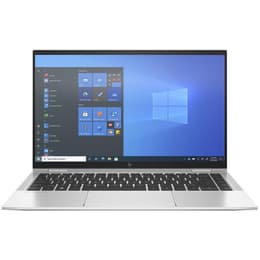
HP EliteBook X360 1040 G8 14"
Starting at

Refurbished price:460.00

Versus €1,382.49 new

See options
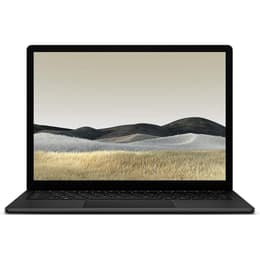
Microsoft Surface Laptop 3 13"
Starting at

Refurbished price:234.00

Versus €689.99 new

See options

Ratings

The HP EliteBook x360 1040 G8 14 (2021) and Microsoft Surface Laptop 3 13 (2019) are both Windows-based laptops. The EliteBook is a convertible 2-in-1 device, offering tablet functionality, while the Surface Laptop 3 is a traditional clamshell design. Key differentiators include their form factor, release year, and internal component generations. Both run on the Windows operating system.

Scores

Durability

The HP EliteBook x360 1040 G8 14, released in 2021, is newer than the Microsoft Surface Laptop 3 13, which debuted in 2019. This difference impacts their expected software support lifespan and component longevity.

  • Software Longevity: The EliteBook x360 1040 G8, being two years newer, is likely to receive operating system updates and security patches for a longer period. This extended support is crucial for users prioritizing long-term software compatibility.
  • Build Materials: Both devices feature robust construction. The EliteBook x360 1040 G8 utilizes an aluminum chassis, contributing to its durability. The Surface Laptop 3 offers options with either an aluminum casing or an Alcantara fabric finish around the keyboard.
  • Repairability: Business-oriented laptops like the EliteBook series often offer more accessible internal components for servicing compared to consumer-focused devices, potentially extending their practical lifespan.

Year of Release

2020

2019

OS

Windows 11

Windows 11

Performance

The performance capabilities of these two laptops reflect their respective release years, with the HP EliteBook x360 1040 G8 14 generally offering more current hardware. This translates to differences in handling demanding applications and multitasking.

  • Processing Power: The EliteBook x360 1040 G8 features a more recent generation of processors, providing improved efficiency and faster execution for everyday tasks, complex spreadsheets, and moderate content creation. The Surface Laptop 3 13, with its earlier generation processor, handles general productivity and web browsing, but may show limitations with more intensive workloads.
  • Multitasking and Responsiveness: The EliteBook x360 1040 G8 can be configured with up to 32GB of RAM, allowing for smoother multitasking with numerous applications open simultaneously and demanding professional software. The Surface Laptop 3 13 typically comes with 8GB or 16GB of RAM, sufficient for most daily tasks but offering less headroom for heavy multitasking.
  • Storage Speed: Both devices utilize solid-state drives (SSDs) for storage, ensuring fast boot times and quick application loading. The EliteBook x360 1040 G8 supports PCIe NVMe SSDs up to 2TB, offering ample space and potentially faster data transfer speeds. The Surface Laptop 3 13 also uses SSDs, with configurations up to 1TB.

Memory (GB)

32 GB

8 GB

Processor

Core i7-1185G7

Core i5 - Gen 10 (G7)

Graphic card

Integrated Graphics

Integrated Graphics

Screen quality

The visual experience on these laptops is distinct, primarily due to differences in display technology, size, and features. Both offer touch capabilities, but their overall screen characteristics cater to different user preferences.

  • Display Technology and Clarity: The HP EliteBook x360 1040 G8 14 offers various 14-inch display options, including Full HD IPS panels, some with HP's Sure View Reflect privacy technology. The Microsoft Surface Laptop 3 13 features a 13.5-inch PixelSense display with a higher resolution (2256 x 1504), providing a sharper image and more screen real estate.
  • Brightness and Outdoor Use: The EliteBook x360 1040 G8's display options often include high brightness levels, beneficial for working in well-lit environments or outdoors. The Surface Laptop 3's PixelSense display also offers good brightness and color accuracy, suitable for indoor and moderate outdoor use.
  • Form Factor and Interaction: The EliteBook x360 1040 G8's 2-in-1 convertible design allows its touch screen to be used in various modes, enhancing its versatility for presentations or creative work. The Surface Laptop 3 13, while having a touch screen, maintains a traditional laptop form factor, primarily suited for keyboard and trackpad interaction.

Audiovisual

Both laptops provide integrated audio and visual components for communication and media consumption, with some differences in their camera capabilities and speaker output.

  • Camera and Video Conferencing: The HP EliteBook x360 1040 G8 14 includes a 720p HD IR camera, which supports facial recognition for secure login and provides clear video for virtual meetings. The Microsoft Surface Laptop 3 13 also features a 720p HD f2.0 camera, suitable for video calls. The EliteBook's IR camera adds an extra layer of security.
  • Microphone Quality: Business-focused laptops like the EliteBook x360 1040 G8 often incorporate advanced microphone arrays designed to reduce background noise, enhancing clarity during conference calls. The Surface Laptop 3 13 also includes integrated microphones that perform well for general voice capture.
  • Speaker Output: For media consumption, both devices offer integrated stereo speakers. The EliteBook x360 1040 G8 often features audio tuned by Bang & Olufsen, which can provide a richer sound experience. The Surface Laptop 3 13's speakers are integrated beneath the keyboard, offering clear sound for everyday use.

Miscellaneous

Beyond core performance and display, several practical features differentiate these two laptops, impacting connectivity, security, and overall portability.

  • Connectivity Options: The HP EliteBook x360 1040 G8 14 offers more modern connectivity, including two Thunderbolt 4 (USB-C) ports, two USB-A 3.1 Gen 1 ports, and an HDMI 2.0 port, providing extensive options for peripherals and external displays. The Microsoft Surface Laptop 3 13 includes one USB-C port, one USB-A 3.0 port, and a Surface Connect port for charging and docking.
  • Security Features: The EliteBook x360 1040 G8 emphasizes enterprise-grade security with features like a fingerprint sensor, facial recognition via its IR camera, and optional HP Sure View Reflect privacy screen. The Surface Laptop 3 13 primarily relies on facial recognition through Windows Hello for secure login.
  • Portability and Design: The EliteBook x360 1040 G8 is a 14-inch convertible, starting at 2.95 lbs (1.34 kg), offering flexibility in usage modes. The Surface Laptop 3 13 is a slightly lighter 13.5-inch clamshell, starting at 2.76 lbs (1.25 kg), designed for a traditional laptop experience.

Weight

1310 g

3000 g

Screen size

14

13

Users frequently praise the HP EliteBook x360 1040 G8 for its robust build quality, versatile 2-in-1 design, and comprehensive security features, making it a strong contender for professionals needing adaptable computing. Some users note its slightly heavier profile. The Microsoft Surface Laptop 3 13 is often lauded for its elegant design, high-resolution PixelSense display, and comfortable typing experience, appealing to users who value aesthetics and a premium traditional laptop feel. Criticisms sometimes point to its more limited port selection and the Alcantara finish requiring careful maintenance.

Users prioritizing a flexible form factor, advanced security, and a wider array of modern ports may find the HP EliteBook x360 1040 G8 14 better suited. Its newer internal components also offer a performance advantage for demanding tasks and a longer expected software support window. Conversely, individuals who prefer a sleek, traditional laptop design with a sharp display and a focus on everyday productivity might lean towards the Microsoft Surface Laptop 3 13. Both devices offer reliable performance, and considering a quality-assured refurbished option for either can be an eco-friendly alternative.

See all articles

Our recent comparisons