

Microsoft Surface Pro 6 12" Vs Microsoft Surface Pro 7 12"

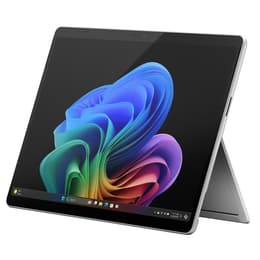
Microsoft Surface Pro 6 12"
Starting at

Refurbished price:424.00

Versus €899.00 new

See options
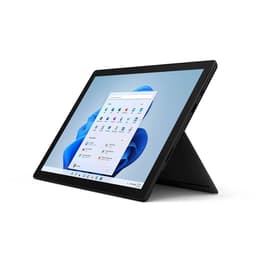
Microsoft Surface Pro 7 12"
Starting at

Refurbished price:334.00

Versus €1,399.00 new

See options

Ratings

The Microsoft Surface Pro 6, released in October 2018, and the Surface Pro 7, launched in October 2019, are both versatile 2-in-1 detachable tablet computers designed to offer a blend of laptop and tablet functionality. While they share a similar aesthetic and the ability to run the Windows operating system, key distinctions lie in their internal processing power, connectivity options, and overall user experience. Both devices aim to provide a portable computing solution for various tasks, from productivity to media consumption.

Scores

Durability

The longevity of the Surface Pro 6 and Surface Pro 7 is influenced by their release dates and Microsoft's software support policies. As the Surface Pro 7 is a year newer, it generally benefits from an extended period of official operating system updates and security patches.

  • Release Timeline: The Surface Pro 6 was released in October 2018, while the Surface Pro 7 followed in October 2019. This one-year difference means the Pro 7 will likely receive software support for a longer duration.
  • Software Longevity: Both devices initially shipped with Windows 10 Home and are upgradable to Windows 11. The Surface Pro 7's newer hardware may offer a slight advantage in compatibility with future software iterations and performance with newer applications.
  • Practical Lifespan: While both models are capable of handling everyday tasks for several more years, the Surface Pro 7's more modern internal components could provide a marginally longer practical lifespan before performance limitations become noticeable for general use.

Year of Release

2017

2019

Last Os Compatibility

Yes

Yes

OS

Windows 11

Windows 11

Performance

Performance is a significant area of differentiation between these two Surface Pro models, primarily due to their respective processors and memory technologies. The Surface Pro 7 generally offers a more capable and efficient computing experience.

  • Processor Capabilities: The Surface Pro 6 features 8th-generation Intel Core i5 or i7 processors. The Surface Pro 7, however, upgrades to 10th-generation Intel Core processors, including i3, i5, and i7 options. The 10th-generation i5 and i7 processors in the Pro 7 provide improved efficiency and better performance for demanding applications and multitasking compared to the Pro 6.
  • System Responsiveness: Users of the Surface Pro 7 may experience smoother operation and faster loading times for applications, especially with the i5 and i7 configurations, due to the advancements in its processor architecture and faster LPDDR4x RAM. The Surface Pro 6, while still capable, uses LPDDR3 RAM.
  • Battery Behavior: Despite the newer, more efficient processors in the Surface Pro 7, the Surface Pro 6 often demonstrates longer real-world battery life. Microsoft initially rated the Surface Pro 6 for up to 13.5 hours of video playback, while the Surface Pro 7 was rated for up to 10.5 hours of typical device usage. Independent tests have also indicated that the Surface Pro 6 tends to last longer on a single charge.

Memory (GB)

8 GB

8 GB

Processor

Core i5 - Gen 8 (U)

Core i5 - Gen 10 (G4)

Graphic card

Integrated Graphics

Integrated Graphics

Screen quality

The display experience on both the Surface Pro 6 and Surface Pro 7 remains largely consistent, as Microsoft maintained the same screen specifications across these generations.

  • Display Technology and Resolution: Both devices feature a 12.3-inch PixelSense display with a resolution of 2736 x 1824 pixels, resulting in a pixel density of 267 pixels per inch (PPI). This provides sharp text and clear images, suitable for both productivity and media consumption.
  • Brightness and Clarity: The screens offer impressive image quality with vibrant colors and good brightness levels, making them suitable for use in various indoor lighting conditions and some outdoor environments.
  • Viewing Experience: The 3:2 aspect ratio, common to both models, offers more vertical screen real estate compared to traditional 16:9 widescreen displays, which can be beneficial for document editing and web browsing.

Resolution

2736 x 1824

2736 x 1824

Screen type

IPS

IPS

Camera

Audiovisual

The camera systems on the Surface Pro 6 and Surface Pro 7 are designed primarily for video conferencing and document scanning rather than high-end photography, with identical specifications across both models.

  • Camera System Capabilities: Both the Surface Pro 6 and Surface Pro 7 are equipped with an 8.0-megapixel rear-facing camera with autofocus and a 5.0-megapixel front-facing camera. These specifications are consistent for both models.
  • Photography and Video Quality: The cameras are well-suited for video calls, online meetings, and scanning documents, offering 1080p HD video recording. While capable for these tasks, they are not intended for professional-grade photography.
  • Audio Experience: Both devices feature dual far-field studio microphones, which help capture clear audio during calls and recordings. They also include stereo speakers with Dolby Audio Premium, providing a decent audio experience for media consumption.

Miscellaneous

Several practical elements distinguish the Surface Pro 6 and Surface Pro 7, particularly in their connectivity and physical attributes, which can impact daily usability.

  • Connectivity Options: A notable difference is the inclusion of a USB-C port on the Surface Pro 7, replacing the Mini DisplayPort found on the Surface Pro 6. The USB-C port offers more modern connectivity for peripherals and faster data transfer speeds. The Surface Pro 7 also supports Wi-Fi 6 and Bluetooth 5.0, while the Pro 6 uses Wi-Fi 5 (802.11ac) and Bluetooth 4.1.
  • Port Types: Both models retain a full-size USB-A port, a 3.5mm headphone jack, a Surface Connect port for charging and docking, and a microSD card reader. The addition of USB-C on the Pro 7 enhances its versatility for connecting to a wider range of modern accessories and external displays.
  • Weight and Dimensions: The physical dimensions and weight of both devices are nearly identical, maintaining the signature portable 2-in-1 form factor. This ensures a consistent handling experience, whether used as a tablet or with an attached Type Cover.

Weight

1120 g

775 g

Screen size

12

12

User feedback on platforms like Reddit often highlights the Surface Pro 7's improved processing power and the welcome addition of a USB-C port as key advantages. However, a frequent criticism of the Surface Pro 7 is its comparatively shorter battery life when compared to the Surface Pro 6. Conversely, the Surface Pro 6 is often praised for its longer battery endurance, though some users note its older processor and lack of USB-C as drawbacks.

Users prioritizing modern connectivity and a slight boost in processing power for everyday tasks and light creative work may find the Surface Pro 7 better suited to their needs. The inclusion of USB-C makes it more compatible with current peripherals and accessories. On the other hand, individuals who value extended battery life above all else and do not require the latest port technology might lean towards the Surface Pro 6. Both devices offer a robust Windows experience in a portable form factor. For those considering these models, exploring quality-assured refurbished options can provide an eco-friendly alternative to extend the life cycle of these capable devices.


See all articles

Our recent comparisons